Arctech Enhances SkyLine II Solar Tracker for Complex Terrain Deployments
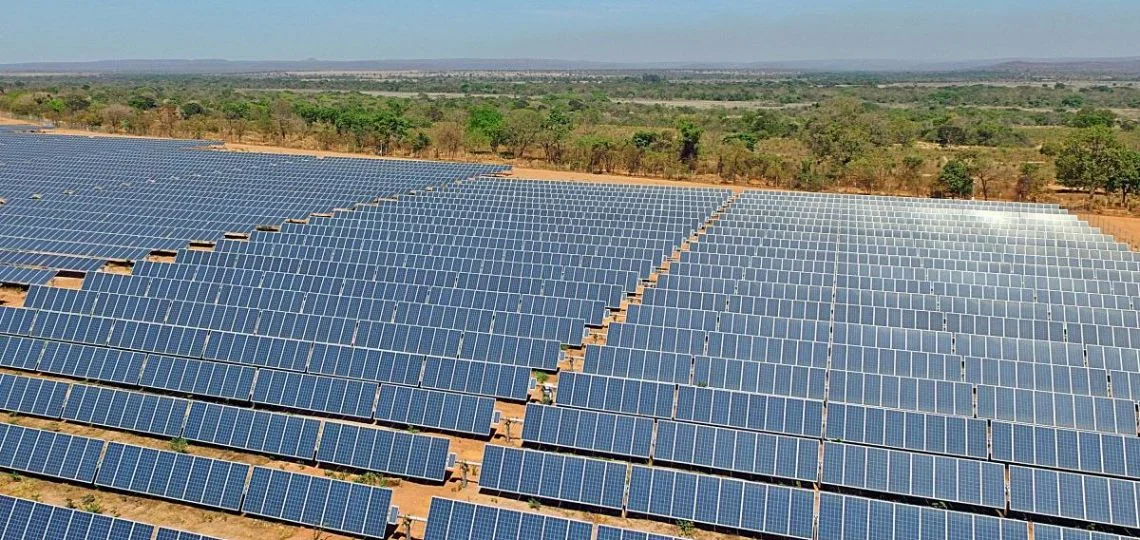
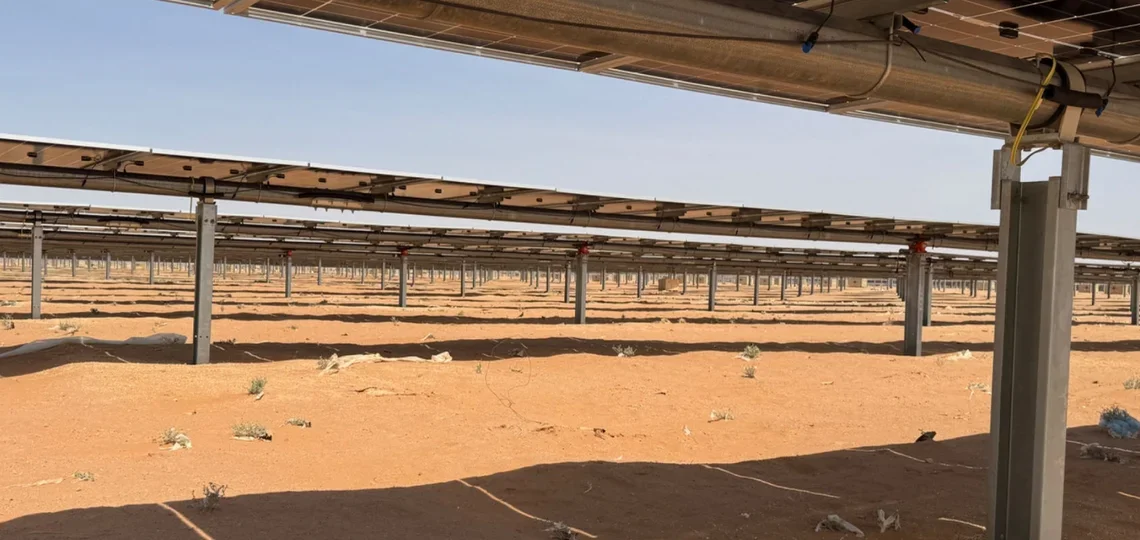
Arctech unveils new features for its SkyLine II all-terrain tracking system, targeting complex terrain solar sites, with more than 50 GW deployed globally according to the manufacturer.
| Sectors | Solar Energy, Photovoltaic |
|---|---|
| Themes | Innovation & Transformation, Sector Innovation |
| Companies | Arctech |
| Countries | China |
Arctech, a Chinese photovoltaic tracking system manufacturer based in Kunshan, is presenting new features for its SkyLine II all-terrain tracker. The company states that the SkyLine II series has surpassed 50 GW deployed globally. As flat land grows increasingly scarce, solar developers are turning to complex terrain — a trend reflected in the growth of large utility-scale projects, such as the financing closed by Doral Renewables for a 430 MWac solar project in Texas.
A System Designed for Slopes and Extreme Conditions
The SkyLine II combines a short-pile layout with a 1V3 linkage mechanism that, according to Arctech, enables operation on slopes up to 30°. Installed capacity per unit area would increase by 40 to 50% compared to traditional installations, turning complex sites into viable assets according to the company. This dynamic of unlocking difficult terrain is visible in other markets, such as the 240 MW solar contract signed by Carrefour Brasil with Casa dos Ventos.
For resilience, the system operates across a temperature range of -40°C to 80°C and features C5-level corrosion protection. It withstands wind speeds up to 70 m/s. In dynamic hail protection mode, the tracker can tilt up to 75°, reducing module damage by 70% according to the manufacturer. Automatic snow removal and flood protection modes complete the system.
Construction Savings Advanced by Arctech
On the economic front, Arctech states the SkyLine II reduces earthwork volume by 90% and pile foundation costs by 60% compared to conventional solutions. The modular pre-assembled design would cut on-site installation time by 35%. These features aim to offset the higher costs typically associated with complex terrain development.
The integration of AI-powered tracking algorithms would lower initial investment by 10% and the levelized cost of energy (LCOE) by 8.5%, according to figures provided by Arctech. The internal rate of return (IRR) would improve by 3% and power generation would increase by 8%. These figures have not been independently verified under real operating conditions.
Carbon Footprint and ESG Positioning
The system would reduce lifecycle carbon emissions by 15 to 20%, by limiting earthworks and preserving vegetation according to Arctech. Optimized steel usage and recyclable materials would contribute to these gains. The company indicates these features could improve project ESG (environmental, social and governance) ratings and facilitate access to green financing.
Arctech announces plans to continue developing its "Tracker+" ecosystem, integrating intelligent tracking, smart construction, maintenance robotics and energy storage into a full lifecycle offering for solar assets. The company provides no timeline for these developments or priority geographic markets.