The Yarlung Tsangpo Hydropower Project: A Dam That Redefines Records
With a planned capacity of 300 TWh per year, China’s Yarlung Tsangpo project is set to triple the output of the Three Gorges Dam, sparking both admiration and regional concerns.
| Sectors | Marine & Hydraulic Energy, Hydroelectricity |
|---|---|
| Themes | ESG & Society, Risks & Events |
| Countries | China, India, United States |
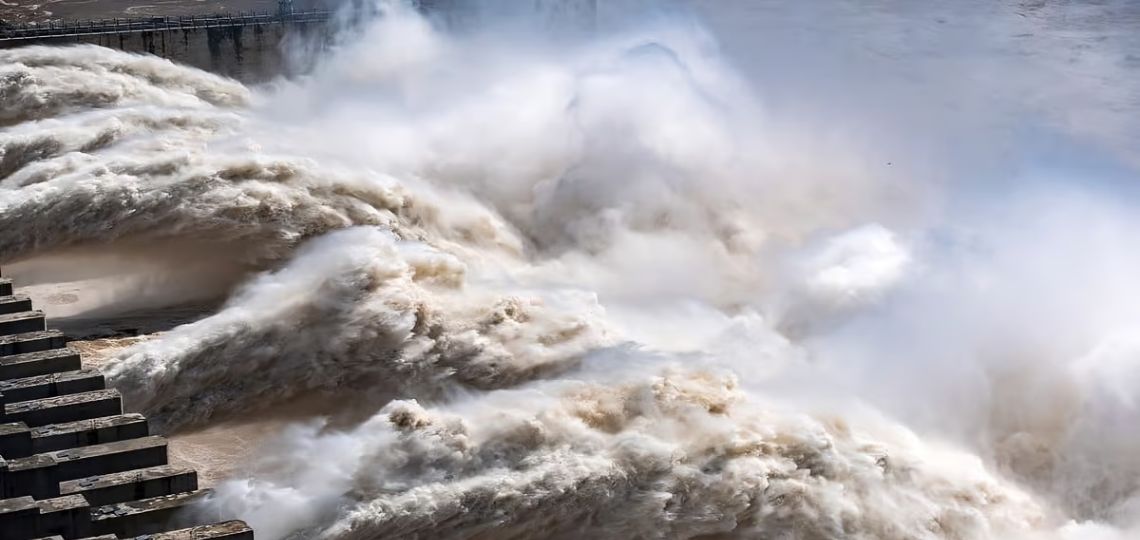
The Chinese government has approved what will become the largest hydropower complex in the world, surpassing the renowned Three Gorges Dam. Located on the Yarlung Zangbo River in Tibet, near the Indian border, this monumental project aims to achieve an annual output of 300 billion kilowatt-hours (kWh), three times the capacity of the current world record-holder.
The total estimated cost is $137 billion. This initiative is part of China’s 14th “Five-Year Plan,” which seeks to accelerate the transition to renewable energy while achieving environmental goals. The selected site, leveraging the steep geography of the river, will maximize its energy-generating potential.
An Unprecedented Scale
The Three Gorges Dam, also located in China, currently produces between 95 and 112 TWh annually, making it the global benchmark for hydroelectric generation. In comparison, the largest dam in the United States, the Grand Coulee Dam on the Columbia River, produces about 20 TWh annually, while the Hoover Dam only reaches 4.2 TWh.
The Yarlung Tsangpo project aims to redefine these standards, providing electricity to nearly 300 million people. This remarkable feat is made possible by the river’s dramatic drop of 7,667 meters from its origin in the Angsi Glacier to India. This characteristic places the Yarlung Zangbo among the world’s most hydropower-rich rivers.
Technical and Geopolitical Challenges
Construction will require engineering efforts on an unprecedented scale, including drilling several 20-kilometer tunnels to divert the river’s flow, which reaches 70,600 cubic feet per second. However, the selected area is highly seismic, increasing risks to the dam’s stability.
Beyond technical challenges, the project raises geopolitical concerns. The Yarlung Zangbo River becomes the Brahmaputra River in India, placing India downstream of the project. Indian authorities fear that China could control the river’s flow, potentially affecting agriculture and local populations.
Thorough Studies, But Questions Remain
Chinese officials claim to have conducted extensive geological studies in the area to ensure the project’s feasibility and safety. However, no precise timeline has been set for the start of construction.
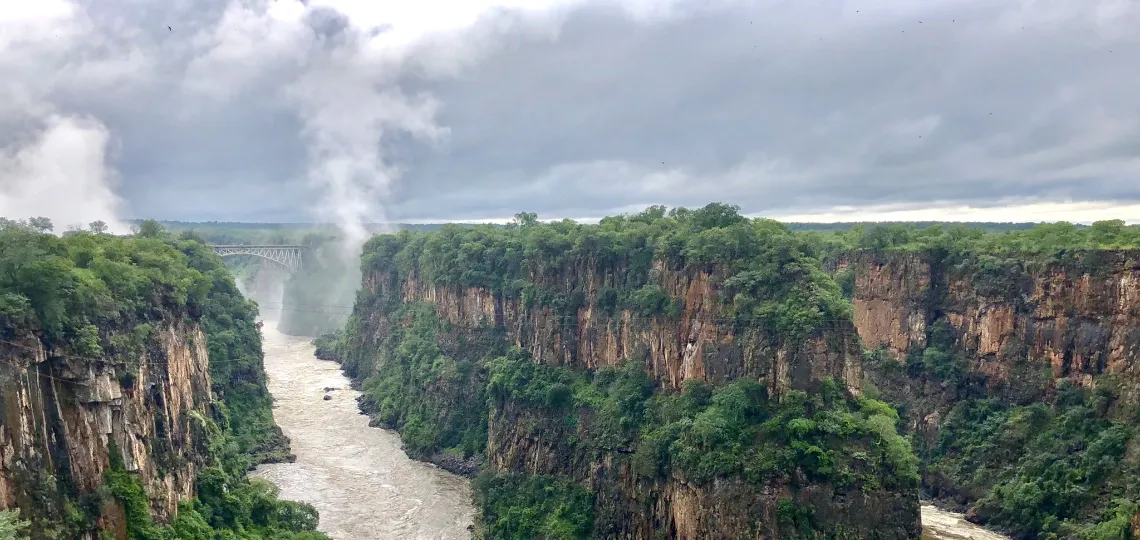
The Yarlung Tsangpo, which flows through one of the world’s deepest canyons, represents an invaluable opportunity for China’s energy ambitions. Yet, its environmental and human impact remains a key international concern.