Slatina-3 relaunched by Jordan Oxley after Cindrigo’s bankruptcy in Croatia

Investor Jordan A. Oxley has acquired the Slatina-3 geothermal asset for €400k after Cindrigo’s bankruptcy, betting on a technical and regulatory revival within Croatia’s complex permitting framework.
Share:

Comprehensive energy news coverage, updated nonstop

Annual subscription

8.25$/month*

*billed annually at 99$/year for the first year then 149,00$/year ​

Unlimited access • Archives included • Professional invoice

OTHER ACCESS OPTIONS

Monthly subscription

Unlimited access • Archives included

5.2$/month*
then 14.90$ per month thereafter

FREE ACCOUNT

3 articles offered per month

FREE

*Prices are excluding VAT, which may vary depending on your location or professional status

Since 2021: 35,000 articles • 150+ analyses per week

The Slatina-3 geothermal exploration field, located in north-eastern Croatia, has changed hands following the bankruptcy of Dravacel, formerly owned by Cindrigo Geothermal. The asset was acquired for €400k by Jordan Alexander Oxley, a Canadian investor and managing director of Green Energy Geothermal, a subsidiary of Energy Co-Invest Global Corp.

Project background and asset profile

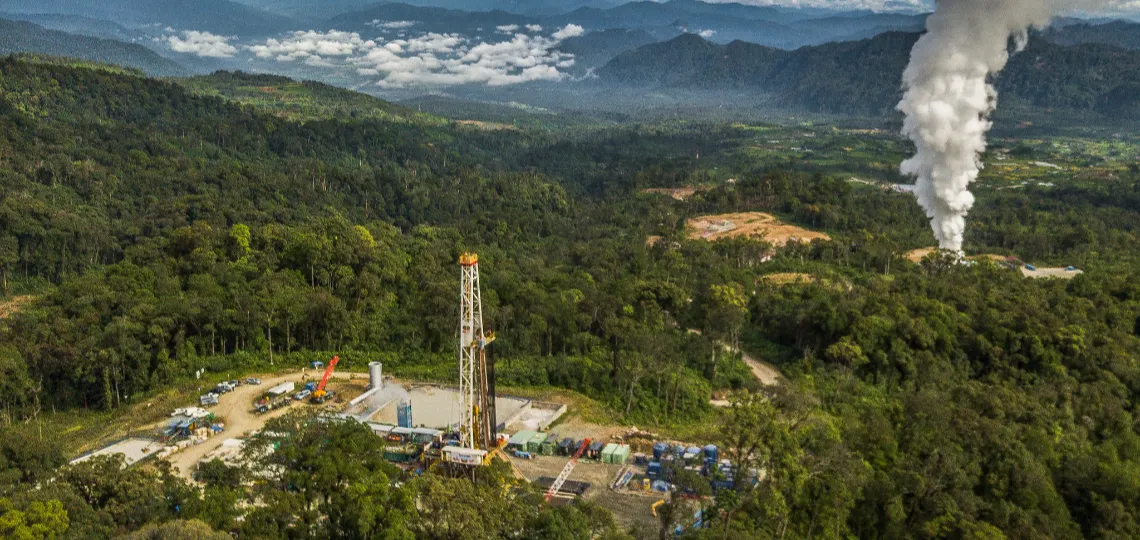
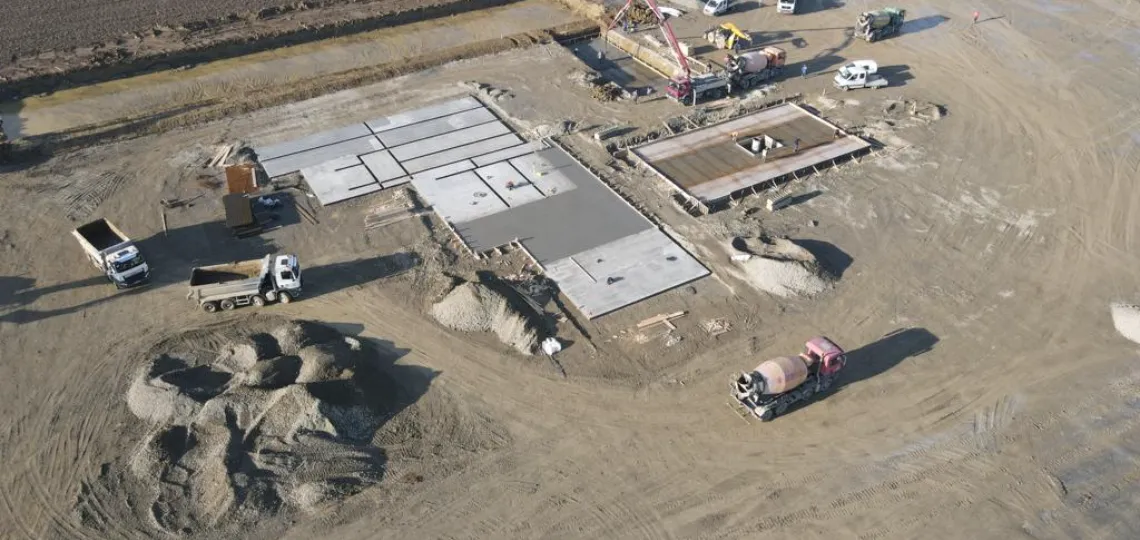
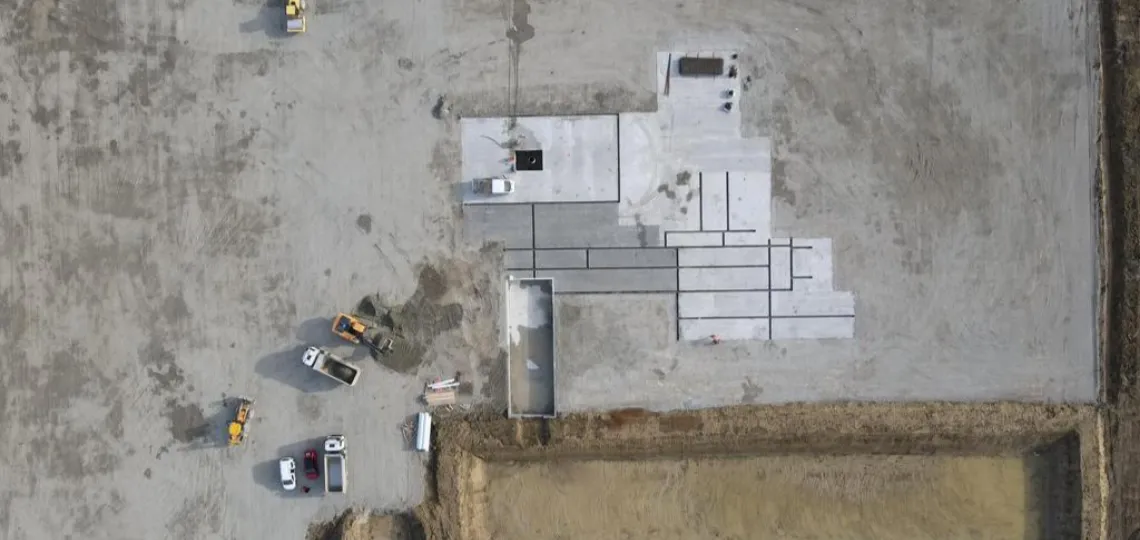
Slatina-3 targeted the development of a 20 MW geothermal power plant on a site historically used for oil exploration. Preliminary works had already been carried out, including wellpad construction and engineering contracts. Despite this, the Croatian Hydrocarbon Agency (CHA) revoked the exploration permit following Dravacel’s liquidation.

The sale process, governed by Croatian commercial insolvency law, set a starting price of €200k, well below the €4mn previously invested by Cindrigo. Oxley, the sole bidder, submitted an offer that doubled the initial amount, confirming a strategy targeting distressed assets.

Buyer profile and intended strategy

Jordan Oxley has an established background in energy infrastructure projects, with a portfolio that includes 15 modular plants developed in Kenya and Iceland. Green Energy Geothermal’s technology model relies on prefabricated, modular production units designed to reduce timelines and initial capital expenditure.

The personal acquisition of Slatina-3, rather than through a major utility, suggests an opportunistic investment strategy, focused on technical and legal restructuring of the project. This approach could later lead to partial or full divestment to an industrial player or infrastructure fund.

Regulatory risks in Croatia

Geothermal energy in Croatia is regulated under both the Electricity Market Act and the Hydrocarbon Exploration and Exploitation Act, which complicates the permitting process. The Croatian Renewable Energy Association has highlighted administrative burdens as a recurring obstacle to project progress.

Cindrigo publicly criticised the transparency of CHA. Its withdrawal from the Croatian project coincides with a pivot to German assets, which benefit from a more predictable regulatory framework, as part of the company’s plan to pursue a listing on the London Stock Exchange.

Economic and industrial implications

The transaction grants Oxley access to a high-potential project but without an active permit. Profitability will depend on securing a new exploration licence, negotiating a power purchase agreement with the renewable energy operator HROTE, and managing access to Croatia’s geothermal supply chain.

The revival could lead to a “shovel-ready” project, potentially sellable once the permit is restored. For the local sector (drilling, civil engineering, district heating), restarting Slatina-3 would create additional work, especially after the shutdown of the Velika Ciglena plant, which also went bankrupt.

Impact on Croatia’s geothermal sector

The setbacks at Dravacel and Velika Ciglena raise concerns about Croatia’s ability to execute geothermal projects. However, the state has continued to issue tenders, with four new zones opened in 2024, indicating a sustained interest in the sector.

Slatina-3 could be repositioned with a modular configuration of smaller-capacity units (2–5 MW), reducing upfront investment needs and aligning better with Croatia’s regulatory environment. A successful relaunch could attract other investors specialised in infrastructure restructuring.

Strategic implications for stakeholders

For Cindrigo, exiting Slatina-3 relieves financial commitments but highlights limitations in managing multi-jurisdiction regulatory risk in Southeast Europe. For Oxley and his partners, successfully restarting the asset could boost their European presence and attract capital for similar geothermal ventures.

For the European Union, the challenge is dual: securing low-carbon baseload capacity while relying on specialised private capital in high-risk jurisdictions, which may reduce its ability to independently shape its energy transition strategy.
Húsavík Energy launches a drilling campaign to secure its geothermal resource following the shutdown of its main industrial client, aiming to diversify its energy offers and strengthen the appeal of the Bakki site.
The global geothermal market is set to double within a decade, driven by technological advances, stronger regulatory support and growing international funding.
Idex signs a 30-year contract with the Nice Côte d’Azur Metropolis to develop GéotherNice, a heating network using 82% renewable energy and artificial intelligence-based control.
Ethiopia is implementing an ambitious plan to develop geothermal energy and stabilise its electricity supply, with multiple projects underway in the Great Rift Valley and increasing support from international partners.
Thermal Energy International has won two new turnkey projects worth a total of CAD1.5mn ($1.09mn) from a global nutrition group, strengthening a collaboration initiated in 2019.
Ormat Technologies reported a rise in revenue for the third quarter, supported by solid performances in its Product and Storage segments, and revised its 2025 annual guidance upward.
Mazama Energy has completed the creation of the world’s hottest Enhanced Geothermal System, paving the way for low-cost, high-density baseload power aimed at data centres and heavy industry.
Ormat Technologies and SLB join forces to accelerate the development of integrated geothermal systems, including a pilot EGS project at an existing site for large-scale commercial deployment.
With a 9.3% increase in one year, district heating networks cross a historic threshold, while cooling networks continue expanding in response to intensifying heatwaves.
Dalkia and Paris-Vallée de la Marne launch a project to upgrade the GEOVAL network, aiming to deliver 20 GWh annually with 90% decarbonised energy.
State-owned PT SMI financed 65% of the Ijen geothermal plant, recently inaugurated, while continuing social responsibility programmes in East Java province.
The new GeoMap tool identifies vast geothermal potential in the Middle East, notably for urban cooling, long-duration storage, and large-scale power generation.
Clean Energy Technologies and RPG Energy Group completed the installation of an Organic Rankine Cycle heat recovery system at a major industrial site in Tennessee.
German start-up Factor2 Energy has raised $9.1mn in venture capital to develop a geothermal system based on CO₂ injected into porous geological formations, with the goal of building a pilot power plant in Germany.
Start-up Dig Energy has secured $5mn to launch its first pilot projects for compact geothermal drilling, aiming to cut thermal energy production costs in buildings without relying on conventional oilfield rigs.
Baker Hughes joins the development of the second phase of the Hell’s Kitchen project in California, targeting 500 megawatts of geothermal energy to power energy-intensive data centres.
Baker Hughes will supply Fervo Energy with key equipment for five geothermal ORC plants as part of the Cape Station Phase II project in Utah, United States.
A long-term extension secures continuous baseload geothermal power supply to California’s main utilities while strengthening financial visibility in the energy sector.
The inauguration of the Tanawon geothermal site, with a capacity of 22 megawatts, marks a milestone in the expansion of the Philippines’ energy park with local solutions of low carbon footprint.
The rise in investments and the boom in binary cycle technologies are placing geothermal energy at the heart of global energy strategies, driven by heat pump demand and Asian ambitions.

All the latest energy news, all the time

Annual subscription

8.25$/month*

*billed annually at 99$/year for the first year then 149,00$/year ​

Unlimited access - Archives included - Pro invoice

Monthly subscription

Unlimited access • Archives included

5.2$/month*
then 14.90$ per month thereafter

*Prices shown are exclusive of VAT, which may vary according to your location or professional status.

Since 2021: 30,000 articles - +150 analyses/week.