Symphonics remotely controls solar plants to unlock new revenue streams

Symphonics enables photovoltaic operators to access RTE’s adjustment mechanism, offering new profitability in a context of slowdown in the solar sector in France.
Share:

Comprehensive energy news coverage, updated nonstop

Annual subscription

8.25€/month*

*billed annually at 99€/year for the first year then 149,00€/year ​

Unlimited access • Archives included • Professional invoice

OTHER ACCESS OPTIONS

Monthly subscription

Unlimited access • Archives included

5.2€/month*
then 14.90€ per month thereafter

FREE ACCOUNT

3 articles offered per month

FREE

*Prices are excluding VAT, which may vary depending on your location or professional status

Since 2021: 35,000 articles • 150+ analyses per week

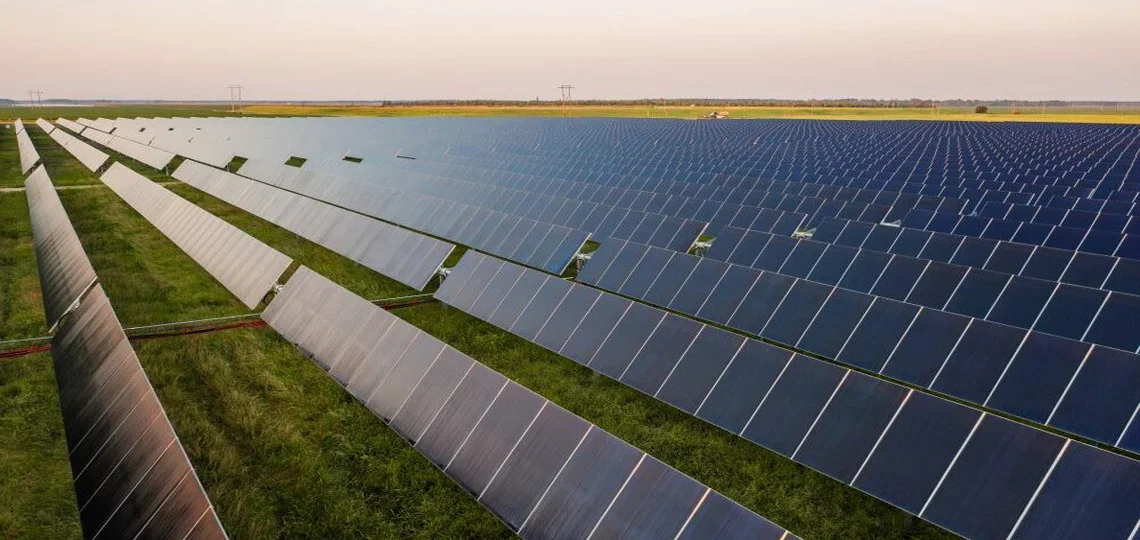
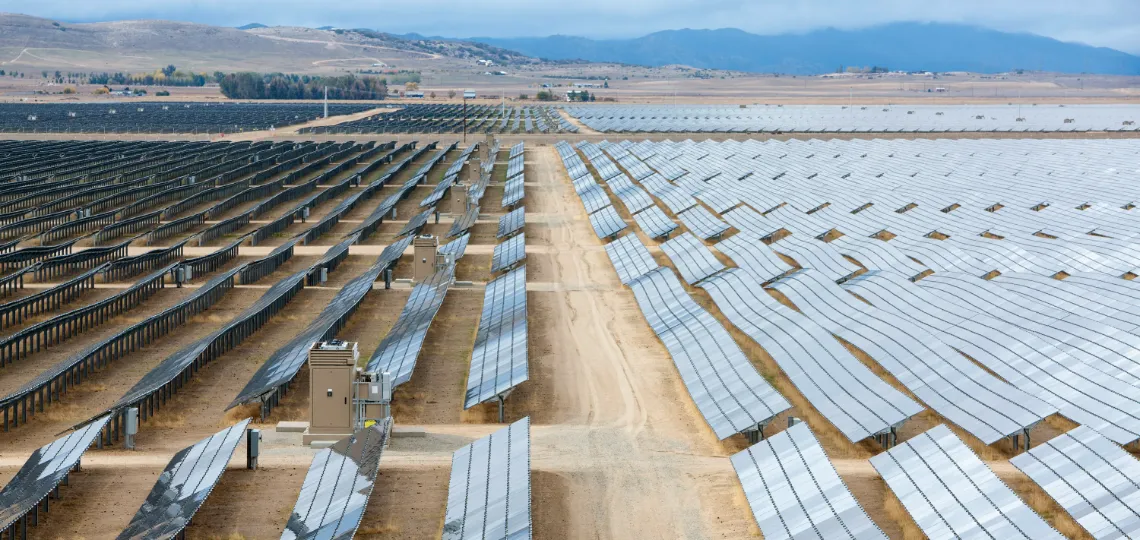
Symphonics, a company specialising in energy aggregation, now remotely controls operating photovoltaic plants in France. This positioning allows it to respond to a request from Réseau de Transport d’Électricité (RTE), which seeks to enhance grid flexibility by requesting temporary and remunerated shutdowns of solar production.

The decree of September 8, 2025 has opened access for photovoltaic producers to the adjustment market, previously reserved for more flexible technologies. Thanks to this regulatory text, operating solar plants can now halt their production at the request of the grid operator, while receiving dual compensation: payment for the service provided and compensation for the energy not produced during the stoppage.

The French solar sector under economic pressure

The development of solar photovoltaics in France is experiencing a marked slowdown. A combination of factors — rising construction costs, grid connection complexity, saturation of existing capacities, and renegotiation of feed-in tariffs — is weakening the profitability of both operating installations and new projects.

In response to these pressures, the adjustment mechanism offers an opportunity to diversify revenue for operators. This lever allows producers to generate additional income without investing in new equipment, solely through dynamic management of intermittency.

An operational solution for existing plants

The scheme proposed by Symphonics targets all operating plants, including those under feed-in tariff contracts from the S21 scheme. The company acts as a certified adjustment operator and remotely controls installations in direct response to RTE’s requirements. This activity enables optimisation of operations without compromising revenues guaranteed by initial contracts.

This model relies on rapid, remote activation of plant flexibility. It turns what was previously considered a structural limitation of solar power — its intermittency — into an economic asset. By participating in the grid balancing system, producers become active contributors to grid stability while improving their business model.

A valuation dynamic driven by flexibility

Controlling plants helps stabilise grid frequency without major installation work or technical modifications to existing infrastructure. Symphonics centralises market signals, triggers the necessary interruptions, and ensures performance data reporting to the relevant authorities.

This approach aligns with a broader trend of integrating renewable energies into balancing markets. It confirms the growing role of flexibility in shaping the future revenue structures of electricity producers.

“Thanks to our adjustment and aggregation solutions, solar plants gain access to new sources of revenue while contributing to grid stability,” said Mathieu Rochard, founder and Chief Executive Officer of Symphonics.
Toshiba’s subsidiary commits to acquiring non-fossil certificates from a floating solar power plant operated by OTS in Japan, under a virtual power purchase agreement coordinated by Digital Grid.
Terra-Gen has closed $383.3mn in financing for the construction of its Lockhart III and IV solar units, adding 205 MW to California’s grid with commercial operations expected in 2026.
US developer Ecoplexus has closed a $300mn financing deal with KKR and SMBC to support over 13GW of solar and storage projects under development across the country.
EDP will supply 30% of Carrefour Polska’s energy needs through a PPA combining solar and wind, marking a step forward in the development of renewable capacity in Poland.
French public funding will support the construction of ten solar power plants with storage in Mauritania, as the country works to expand its grid to reach universal electricity access by 2030.
Recurrent Energy has received authorisation to develop Tillbridge, a hybrid 1.3 GW solar and battery project in England, strengthening its expansion strategy in the UK market.
Le Koweït a publié une demande de propositions pour la construction d'une centrale solaire de 500 MW, dont l’électricité sera injectée dans le réseau national sur la base d’un contrat de rachat de 30 ans.
Mori Building has completed three solar-plus-storage plants in Japan to supply its real estate assets through an intra-group partnership structured by TEPCO Energy Partner.
Japanese grid operator OCCTO allocated 75.4MWAC in its third solar auction for FY2025, with an average feed-in-premium price of 7.13 yen per kWh, marking a session that fell short of initial subscription targets.
Octillion has fully converted its electric vehicle battery production facility in Pune to solar power, initiating the rollout of an energy strategy aimed at achieving energy autonomy for all its India-based operations by 2027.
Westbridge Renewable Energy has secured final regulatory approval in Alberta for its Dolcy Solar project, marking the last step before construction can begin.
Chinese firm Sunman will build Australia’s largest solar module plant in the Hunter Valley, backed by AUD171 mn ($111.92 mn) in public funding.
Botswana has concluded a series of energy agreements with Omani public investors, including the development of a 500 MW solar power plant and projects in fuel storage and petroleum trading.
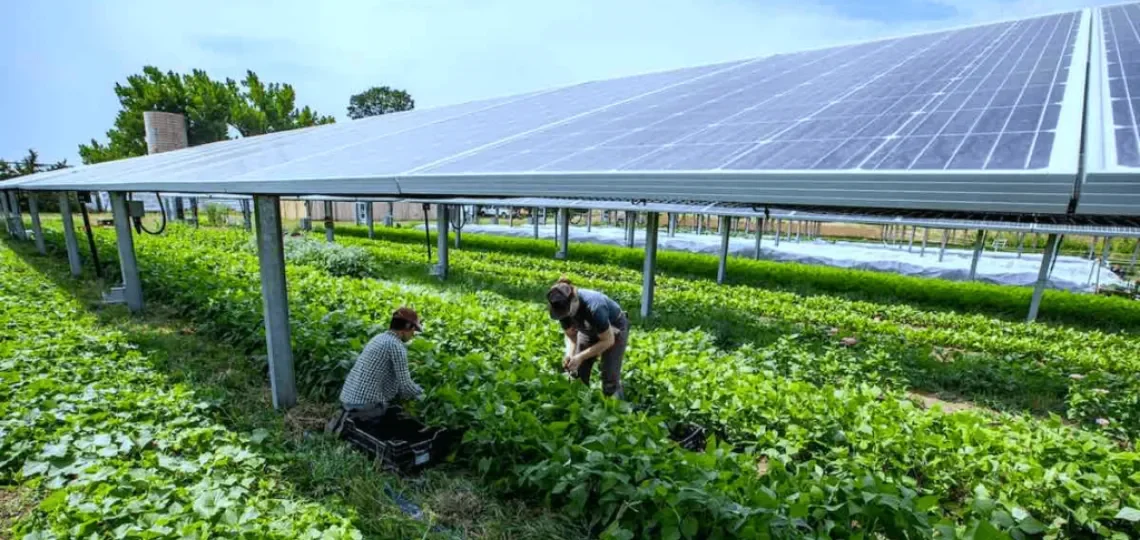
With 16.8 MWp of capacity, the Triticum plant in Bavaria marks a strategic investment for MaxSolar, strengthening the agrivoltaic model in the German energy landscape.
Greencells has signed a partnership with Belgian company 3E to transfer over 3 GW of solar and storage capacity to SynaptiQ, a central monitoring and analytics platform.
Spanish group Grenergy has signed an agreement to sell seven solar projects with a total capacity of 88 MW to Ecopetrol, as part of its asset rotation strategy.
Zenith Energy has launched a tender for the construction of three solar plants totalling 7 MWp in Italy, with expected bank financing covering up to 90% of costs.
JA Solar unveils a pioneering white paper on photovoltaic systems in arid regions, with a module designed to withstand extreme desert conditions and improve long-term energy yield.
Shikoku Electric Power lowers its acquisition threshold for solar projects to 500kWAC and calls for proposals to develop floating plants on reservoirs of at least 15,000m².
Canadian Solar has started delivering non-fossil certificates from a new 20 MWAC solar plant in Okayama under a 25-year virtual power purchase agreement with a Japanese company.

All the latest energy news, all the time

Annual subscription

8.25€/month*

*billed annually at 99€/year for the first year then 149,00€/year ​

Unlimited access - Archives included - Pro invoice

Monthly subscription

Unlimited access • Archives included

5.2€/month*
then 14.90€ per month thereafter

*Prices shown are exclusive of VAT, which may vary according to your location or professional status.

Since 2021: 30,000 articles - +150 analyses/week.