Spanish solar producers warn of impact from negative electricity prices
Spanish solar energy producers have recorded 693 hours of zero or negative prices since January, already matching the total for the previous year, raising concerns about the sector’s profitability and market stability.
| Sectors | Solar Energy, Photovoltaic |
|---|---|
| Themes | Markets & Finance, Prices |
| Countries | Germany, Spain, Netherlands |
The Unión Española Fotovoltaica (UNEF), the main organisation representing Spain’s solar sector, reported that the electricity market is experiencing an increasing number of hours where prices fall to zero or turn negative. This phenomenon, observed between January and September, has already matched last year’s total and reflects a growing imbalance between production and demand.
Excess supply weakens producers’ profitability
According to UNEF, these periods of negative prices occur when the energy supply exceeds consumption, forcing producers to reduce output or, in some cases, pay to offload electricity onto the grid. José Donoso, the organisation’s Director General, stated that the situation “shows the urgency of reforming the electricity pricing system.” He noted that solar producers are facing low and unstable revenues, jeopardising the viability of many projects.
A structural challenge for the Spanish market
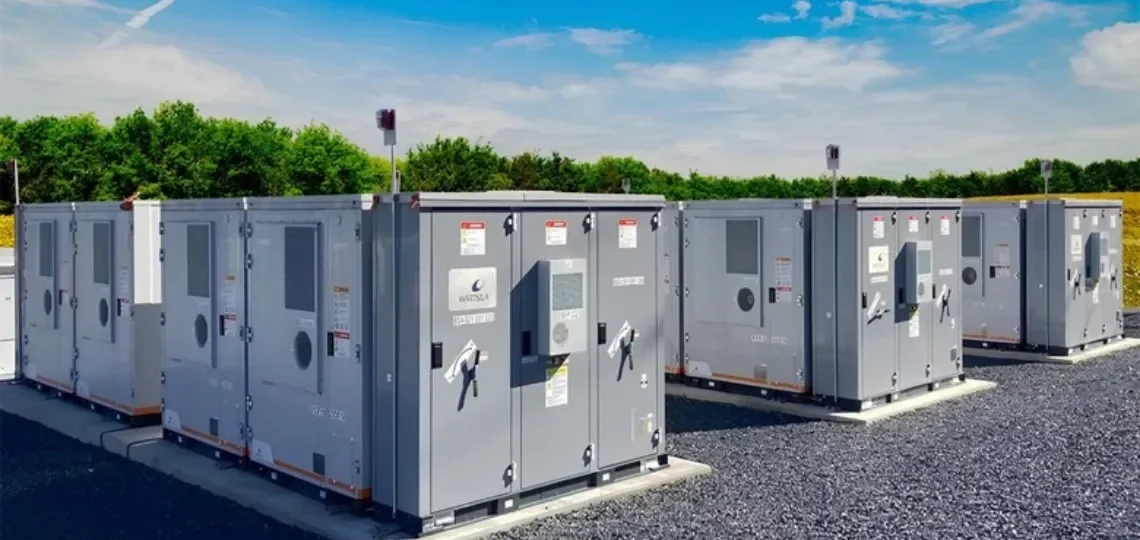
Spain has committed to increasing the share of renewables in its energy mix to meet the targets set in its National Integrated Energy and Climate Plan. However, the rapid growth of solar generation sometimes outpaces the system’s capacity to absorb the electricity produced, particularly due to insufficient storage infrastructure. This situation highlights the need to adapt the power grid and introduce new flexibility mechanisms to maintain market balance.
A growing European phenomenon
The issue of zero or negative prices is not limited to Spain. Several European markets, including Germany and the Netherlands, are facing a similar trend linked to the expansion of renewable energy and a lack of adequate storage capacity. This dynamic poses both economic and technical challenges that could affect future investments if price signals continue to deteriorate.
Industry stakeholders believe that structural reforms could help mitigate these imbalances and preserve the stability of the electricity market as Europe continues to expand its solar capacity.