Rosneft takes control of strategic rare earth deposit Tomtor in Siberia
State-owned oil group Rosneft has taken over the exploitation licence for the Tomtor rare metals deposit, marking the entry of hydrocarbons into a mining sector largely abandoned by private investors.
| Sectors | Critical Metals |
|---|---|
| Themes | Investments & Transactions, Energy Asset Transfers |
| Companies | Rosneft, Rosatom |
| Countries | Russia |
Russian state-owned oil and gas company Rosneft has officially acquired control of Vostok Engineering, the holder of the mining licence for the Tomtor project, located in the Republic of Sakha (Yakutia), in Russia’s Far East. The information was confirmed by a May 20 entry in the Unified State Register of Legal Entities, according to S&P Global Commodity Insights.
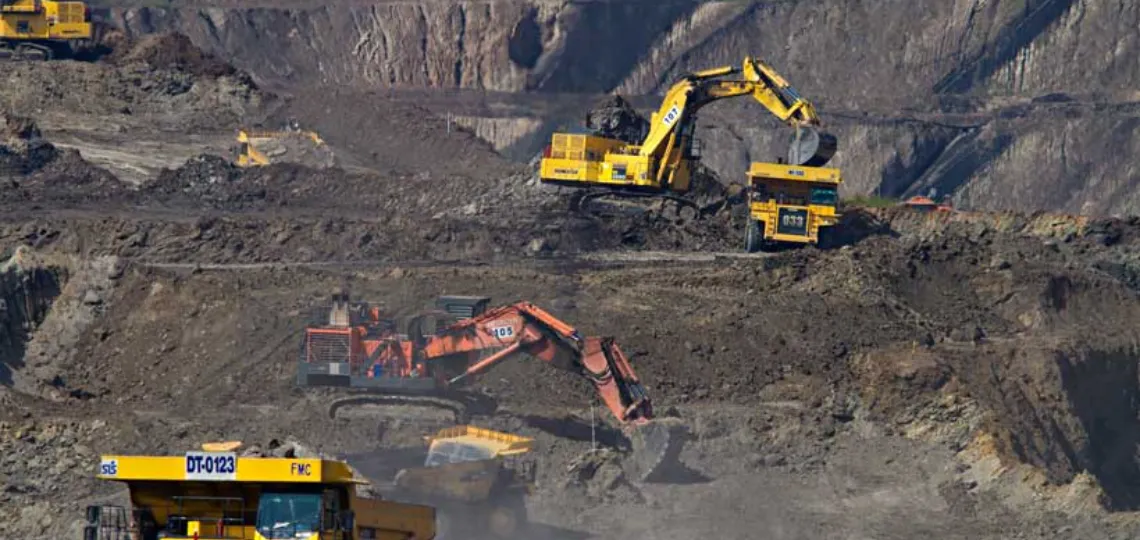
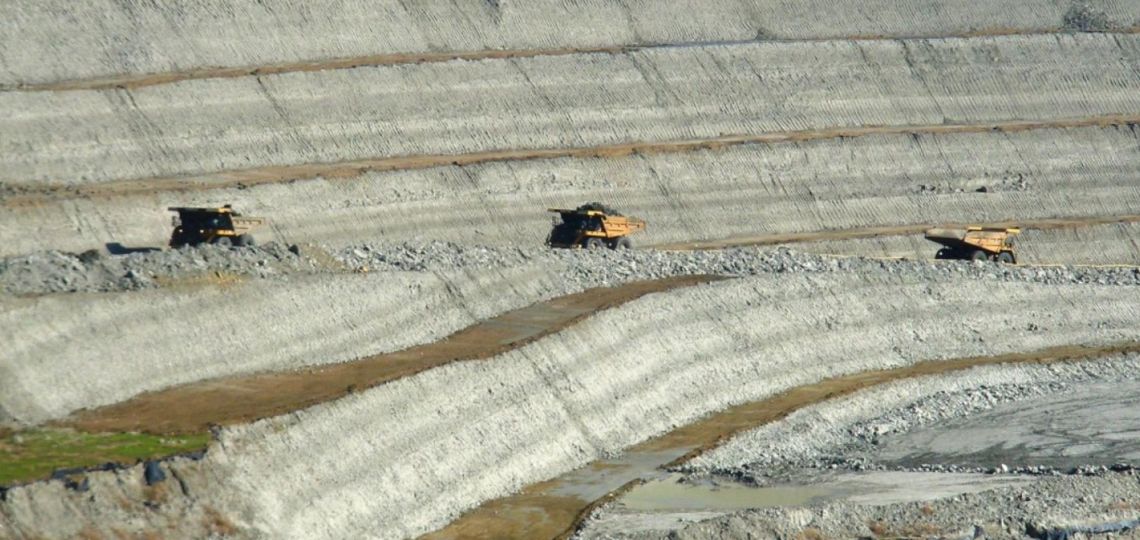
This deposit, also referred to as Tomtorskoye, contains significant reserves of niobium and rare earth elements. The site remains untapped, but initial estimates for the Buranniy section suggest between 11.4 and 13.2 million tonnes of ore available for open-pit mining, with an average content of 5.9% niobium oxide (around 780,000 tonnes) and 15% rare earth oxides, or up to 2 million tonnes.
A transfer revealing private sector disinterest
The transfer of the project to a state oil company reflects the lack of interest among private mining players in this segment. Russia’s domestic market consumes only between 1,400 and 1,500 tonnes of rare earths annually, making such projects unattractive to investors. According to a Moscow-based analyst, who requested anonymity, this move reflects the government’s desire to retain control over a sector it views as strategic, despite limited demand.
The Lovozersky GOK site in Murmansk oblast remains the only active rare earth extraction site in Russia, operating with loparite ore. It is owned by state corporation Rosatom. Tomtor is nevertheless seen as the most promising deposit in the country, due to the high concentration of metals in its ore.
Production expected as early as 2027
Site development could begin as early as 2027, according to the same analyst, who stated, “Rosneft will carry out the order without fail.” Initial ore batches may be sent to China for processing or to Rosatom’s Solikamsk magnesium plant, provided a dedicated beneficiation facility is installed specifically for Tomtor ore.
President Vladimir Putin stated in November 2024 that the previous licence holders, granted in 2014 and valid until 2034, had failed to invest sufficiently in the project’s development. He urged developers to seek partnerships if they could not proceed independently.
Delays in the development of rare earth mining in Russia have been attributed to several factors, including a lack of appropriate technology, severed trade relations with the European Union, and limited domestic demand.