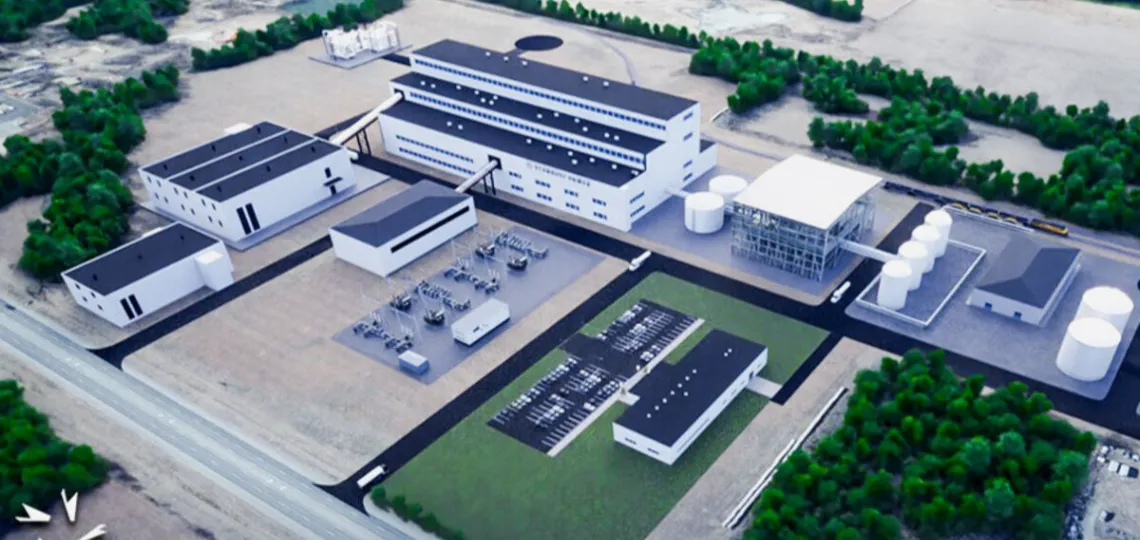
Peregrine Hydrogen and Tasmania Energy Metals have formalised a preliminary agreement to set up a hydrogen and sulphuric acid production unit at the Bell Bay industrial site in Tasmania. The initiative is based on Peregrine’s electrolysis technology, which can simultaneously produce clean hydrogen and sulphuric acid, a key component in nickel ore processing.

An integrated solution for nickel transformation
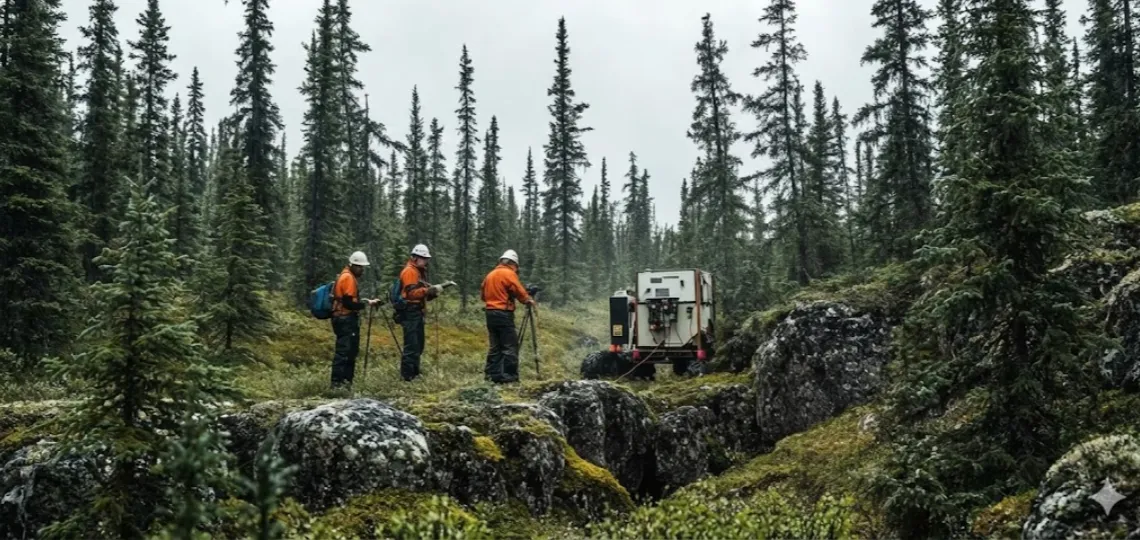
The future Bell Bay facility is part of Tasmania Energy Metals’ project to process ore from the Barnes Hill deposit. This deposit contains strategic battery metals such as nickel, cobalt and manganese, along with magnetite iron ore. By directly integrating Peregrine’s technology at the site, Tasmetals aims to reduce reliance on imported sulphuric acid while securing a local hydrogen supply for green iron production.
According to Peregrine Hydrogen, this approach addresses two industrial needs simultaneously while maintaining competitive costs. Unlike conventional green hydrogen production methods, often limited by tight margins, the ability to monetise sulphuric acid as a by-product strengthens the project’s economic framework.
Towards a circular industrial ecosystem in Bell Bay
Co-locating these facilities is expected to facilitate the development of a circular industrial ecosystem in the region. The Bell Bay site could become a low-carbon production hub for critical materials, by combining input and output streams from multiple industrial processes. Onsite hydrogen production would also supply other regional industrial sectors.
Peregrine’s technology is based on proprietary electrolysis architecture, tailored to applications with high sulphuric acid demands, such as hydrometallurgical nickel processing. The proposed model offers direct economic value for Tasmetals by reducing operating costs and enhancing supply chain resilience.
Cost optimisation and input security
One of the main advantages cited by Tasmania Energy Metals lies in securing a local supply of sulphuric acid, often subject to price fluctuations and logistical constraints. This collaboration could also support Tasmania’s positioning as a strategic industrial region within the battery metals supply chain.