Philippines: The Renewable Energy Auction Exceeds Targets with 7,500 MW of Projects
The third phase of the renewable energy auction in the Philippines has generated strong interest, securing 7,500 MW of projects—far surpassing the initial 4,650 MW target. This momentum highlights the growing investor confidence in the Philippine energy market.
| Sectors | Marine & Hydraulic Energy, Geothermal Energy, Energy Storage, Hydroelectricity, Surface Geothermal, Pumped Storage |
|---|---|
| Themes | Project Finance, Investments & Transactions |
| Countries | Philippines |
The 2024 edition of the Green Energy Auction (GEA-3) has witnessed significant participation, totaling 7,500 MW of renewable energy projects, exceeding the government’s target of 4,650 MW. This oversubscription reflects a strong appetite among developers for the Philippine renewable energy market and a growing influx of investment into the sector.
Hydropower Leads, Geothermal Falls Behind
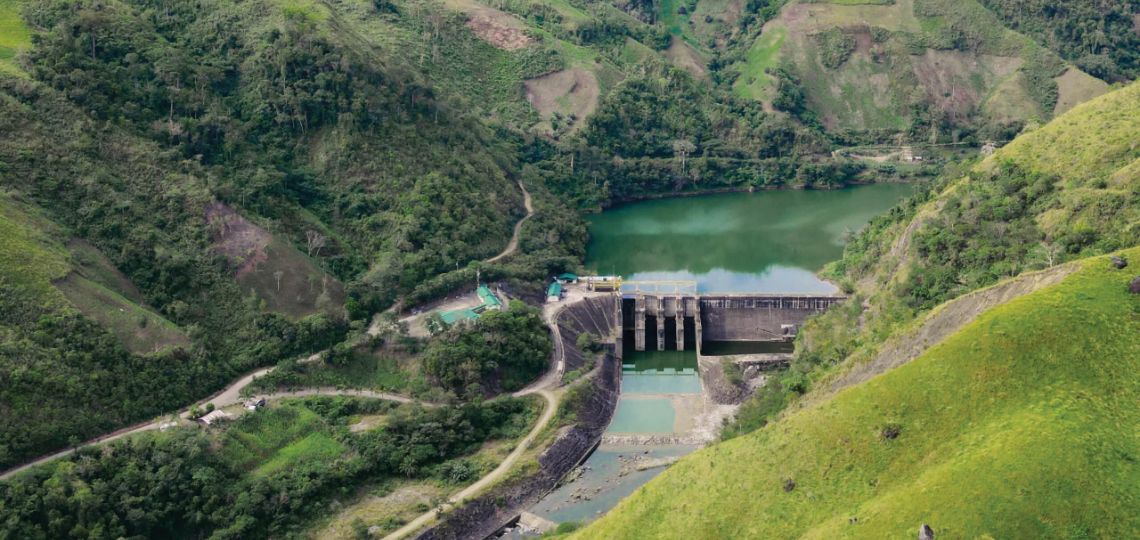
Investor interest has been particularly strong in pumped-storage hydropower (PSH), attracting 6,950 MW in project bids—63.5% above the initial 4,250 MW allocation. This technology, which stabilizes the grid by compensating for the intermittency of solar and wind energy, has emerged as a crucial pillar in the country’s energy transition.
Reservoir-based hydropower also saw strong demand, with a total submitted capacity of 550 MW, nearly doubling the initial 300 MW allocation. In contrast, geothermal energy attracted limited interest, with only 30.89 MW in secured bids—well below the 100 MW target—highlighting the challenges facing investment in this segment.
Project Award Process and Implementation Timeline
Selected projects will be ranked based on their bid prices, from the most competitive to the least, until the allocated volumes for each technology are fully assigned. The Department of Energy (DOE) plans to issue the notices of award as early as May, with certificates of award expected between June 6 and July 4. The awarded projects will then proceed to the development phase before integration into the national grid.
A Government Strategy Focused on Renewables
The GEA-3 auction is part of a broader strategy aimed at strengthening the competitiveness and transparency of the Philippine renewable energy market. In 2023, the previous Green Energy Auction (GEA-2) aimed to allocate 11,600 MW of capacity but resulted in only 3,580.76 MW being awarded, leaving more than 8,000 MW unsubscribed.
The government aims to increase the share of renewables in the national energy mix to 35% by 2030 and 50% by 2040, up from the current 22%. To achieve these targets, authorities are focusing on expanding investment in energy infrastructure and diversifying energy sources.
The results of GEA-3 confirm the growing interest of investors in hydropower, particularly in pumped-storage technology, which is proving to be a key solution for ensuring grid stability. However, the lack of interest in geothermal energy underscores the need for a more attractive regulatory framework to encourage its development.