NGOs call for global ban on offshore oil exploration
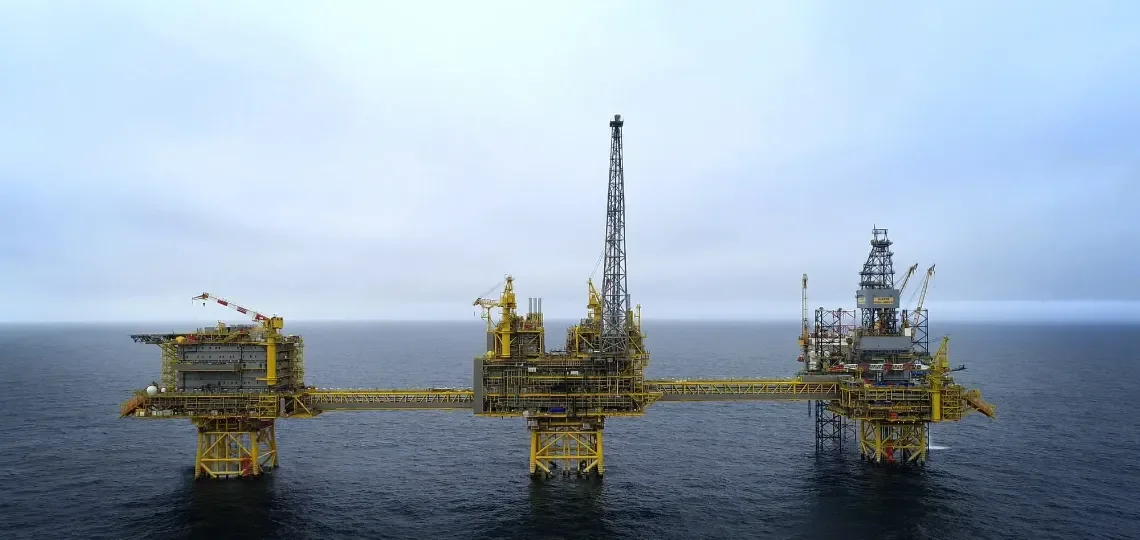
Over 100 international organisations are urging a halt to offshore oil and gas exploration ahead of the United Nations Ocean Conference scheduled in June in Nice.
| Sectors | Oil, Gas, Exploration & Production, Gas Exploration & Production, Energy Issues |
|---|---|
| Themes | Regulation & Governance, Public Policy |
| Countries | Switzerland, Denmark, Spain, France, Portugal |
A coalition of 111 non-governmental organisations has issued a joint call to prohibit any new offshore oil and gas exploration activities. Coordinated by the Swiss NGO OceanCare, the initiative seeks to include this ban in the final declaration of the third United Nations Ocean Conference (Unoc 3), scheduled to take place from 9 to 13 June 2025 in Nice.
Call for formal commitment in Nice
The letter circulated by the signatory organisations highlights the environmental impacts of these operations, particularly the acoustic pollution generated by exploration technologies used in marine environments. According to OceanCare, these sound emissions rank among the most intense in the marine environment, affecting the entire biodiversity spectrum from plankton to cetaceans. Nicolas Entrup, Director of International Relations at the NGO, stated that such noise disturbances can have severe or even fatal effects on marine fauna.
References to commitments made in Dubai
The organisations also advocate for the gradual phase-out of offshore drilling, in alignment with the direction adopted during the 28th Conference of the Parties (COP28) held in Dubai in 2023. Participating states agreed to initiate a transition away from fossil fuels. However, the current draft of the Unoc 3 declaration makes no explicit reference to fossil energy sources.
National frameworks and political tensions
Several European countries have already implemented legislation restricting offshore oil exploration. France, Spain and Portugal have banned such practices within their maritime jurisdictions, while Denmark has introduced policies aimed at limitation. Meanwhile, significant investment flows continue to support offshore exploration globally. OceanCare notes that these investments total several billion dollars despite scientific warnings about the environmental risks linked to continued oil development.
Diverging positions within the French government
In February, the Minister for Overseas Territories, Manuel Valls, announced plans to open a national debate on the ban of hydrocarbon exploitation in France, particularly in French Guiana. This initiative met with opposition from the Minister for Ecological Transition, Agnès Pannier-Runacher, exposing internal government divisions over national strategy for offshore oil operations.