CO2 emissions climb to an unprecedented level in 2024
According to the British Meteorological Office (Met Office), carbon dioxide (CO2) has risen faster than ever, exceeding all projections and raising new questions about the global capacity to contain global warming.

| Sectors | Carbon, Energy Issues, Carbon Capture |
|---|---|
| Themes | ESG & Society, Risks & Events |
| Countries | United Kingdom, United States |
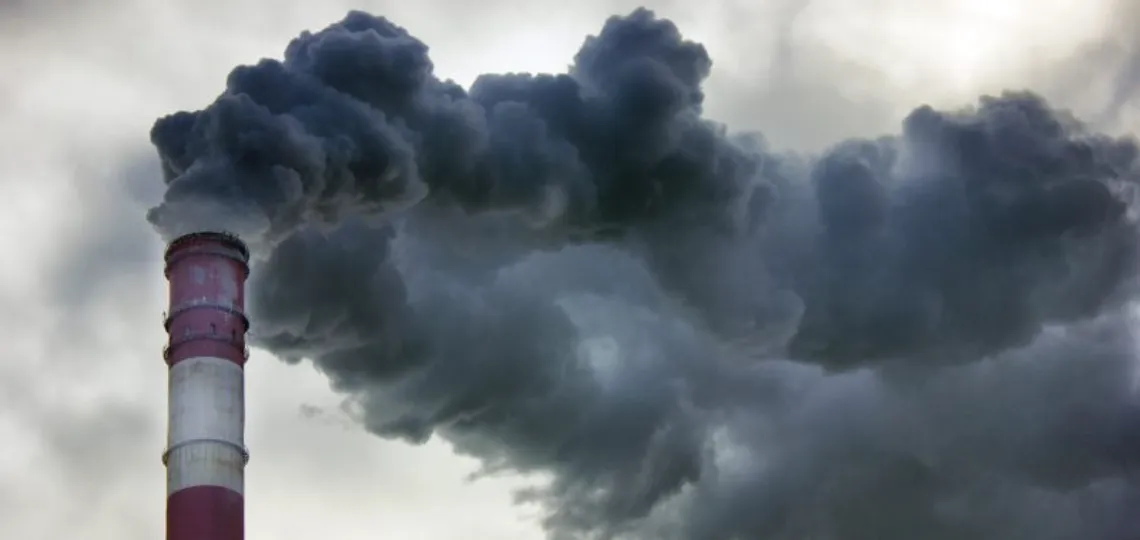
Measurements of carbon dioxide (CO2) provided by the British Meteorological Office (Met Office) indicate a notable acceleration in 2024. Scientists report that this increase reaches 3.58 parts per million (ppm), a level higher than forecasts already considered pessimistic. The data come primarily from the Mauna Loa Observatory, whose records—known as the Keeling Curve—began in 1958. Observers emphasize that the combustion of fossil resources and the weakening of natural carbon stocks are fueling this ongoing rise.
A constant monitoring of CO2
Experts note that CO2 accounts for about 64% of the warming observed across the planet. Methane (CH4) and nitrous oxide (N2O) add to this list of greenhouse gases, intensifying the rise in temperatures. Several analysts believe that, given this trend, achieving the 1.5-degree warming target set by certain international agreements is unlikely. This situation emerges as global energy demand continues to grow.
Records indicate that the current year remains marked by climate phenomena such as La Nina, which can alter carbon absorption in forests and oceans. Some specialists point to extensive recent fires that may have intensified CO2 emissions, making climate stabilization even more challenging. Natural sinks, when weakened, cannot offset the production of gases from human activities. This situation is generating concerns within the scientific community.
Short-term forecasts and perspectives
Preliminary estimates suggest that CO2 concentration could moderate if oceanic and atmospheric phenomena rebalance. However, several projections stress that this trend would only be a temporary pause in the upward curve. Met Office specialists also anticipate global temperatures remaining among the highest recorded since measurements began. Technical discussions now focus on how quickly greenhouse gas growth can be curbed.
In this context, various hypotheses are put forward regarding the consequences of these accumulated emissions in the coming years. Many players in the energy sector monitor these figures to assess the potential impact on their production and distribution strategies. Observers emphasize the need to reduce the carbon footprint at its source to limit disruptions. This information could influence political and economic choices related to managing CO2 and other greenhouse gases.