European heatwave lifts power demand by 14 %
A record heatwave in late June–early July pushed up electricity consumption and prices, while unprecedented solar output averted blackouts, Ember reported on 4 July.
| Sectors | Solar Energy, Nuclear Energy, Energy Issues, Photovoltaic, Fission |
|---|---|
| Themes | Markets & Finance, Prices |
| Companies | Ember |
| Countries | France |
The heatwave that swept across Europe between late June and early July 2025 drove up daily electricity demand by as much as fourteen % in Spain, the think-tank Ember said on 4 July. Maximum temperatures exceeded forty degrees in several regions, sharply increasing the use of air conditioning. In Germany and France, consumption rose by six % and nine % respectively compared with the previous week. Grid operators nevertheless reported no major outages.
Demand and temperature rise
Between 28 June and 2 July, average daily temperatures reached thirty-five degrees in Germany and Spain, and thirty-four degrees in France. These levels are early-season records, according to national meteorological services. Peak load occurred in late afternoon, when commercial premises and homes heavily demanded cooling. Cross-border interconnectors channelled electricity to the most stressed areas.
Dutch, Belgian and Italian networks exported to France when demand there peaked, easing price spikes. Conversely, Germany supported Poland on 1 July, limiting wider tariff surges. European system operators view these flows as essential for absorbing climate shocks. They add that operator-to-operator coordination functioned smoothly during the episode.
Record solar production
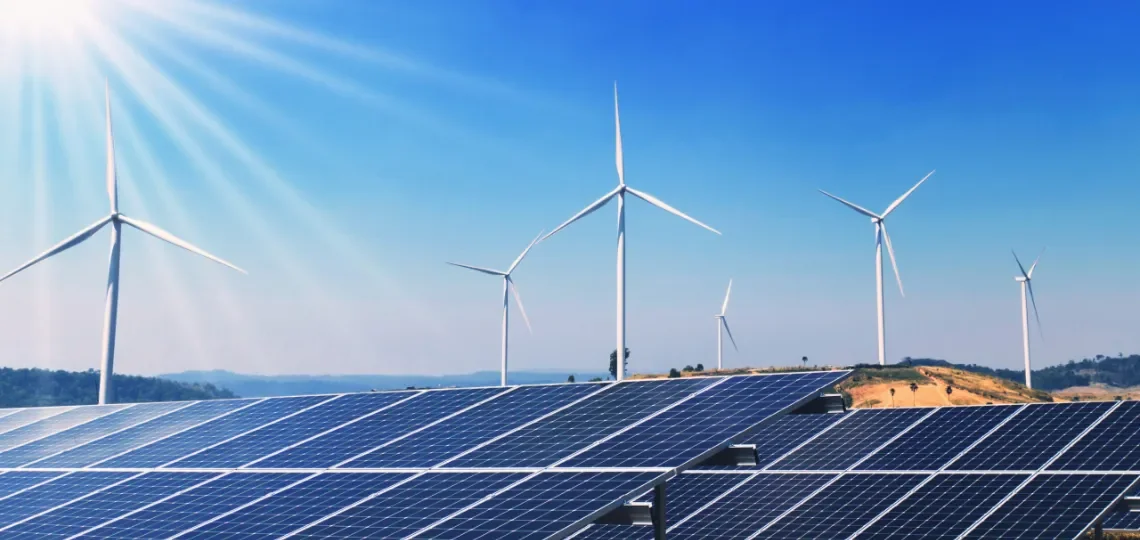
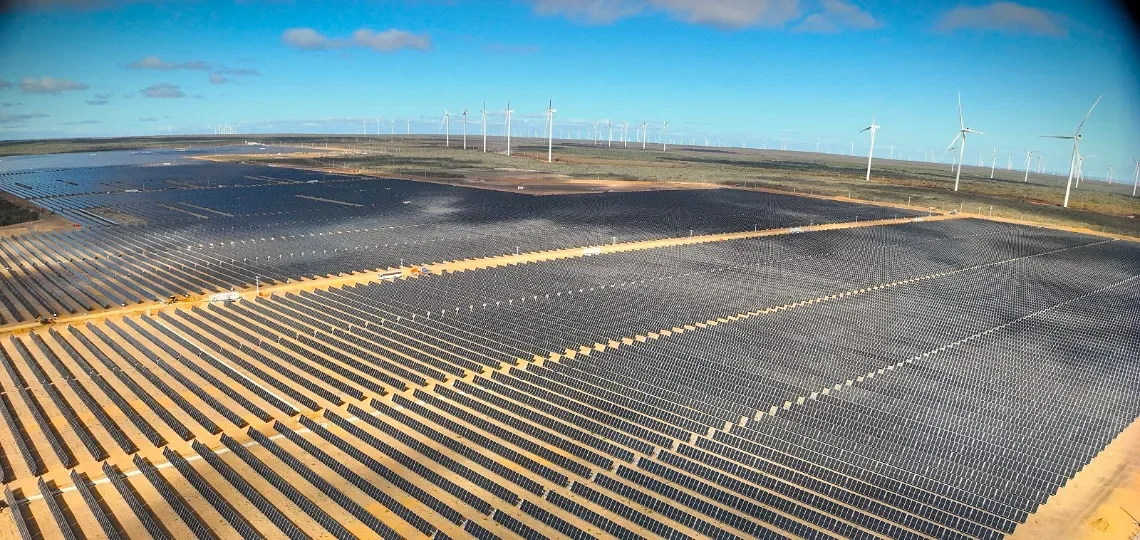
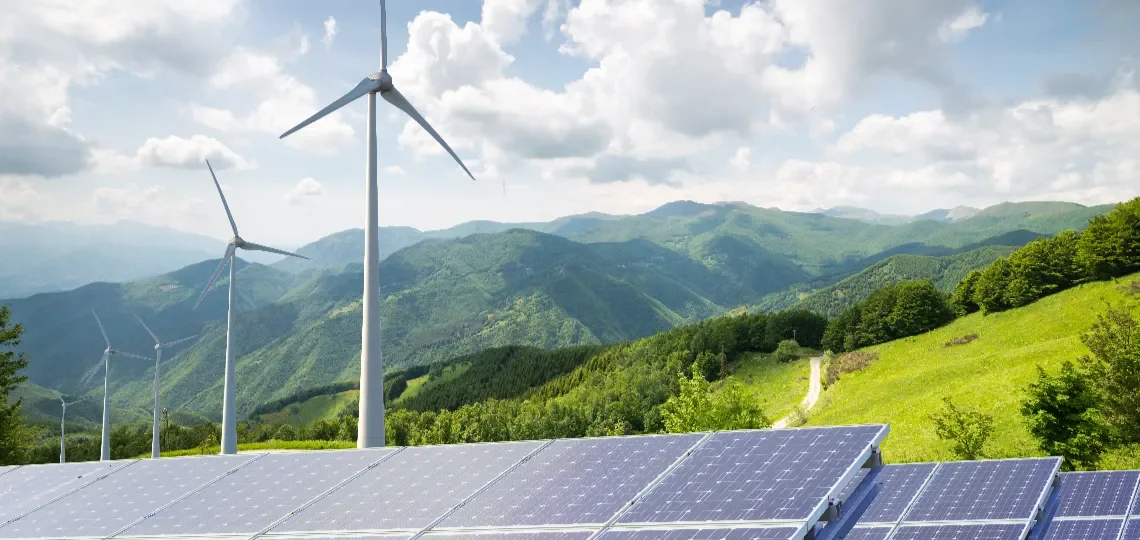
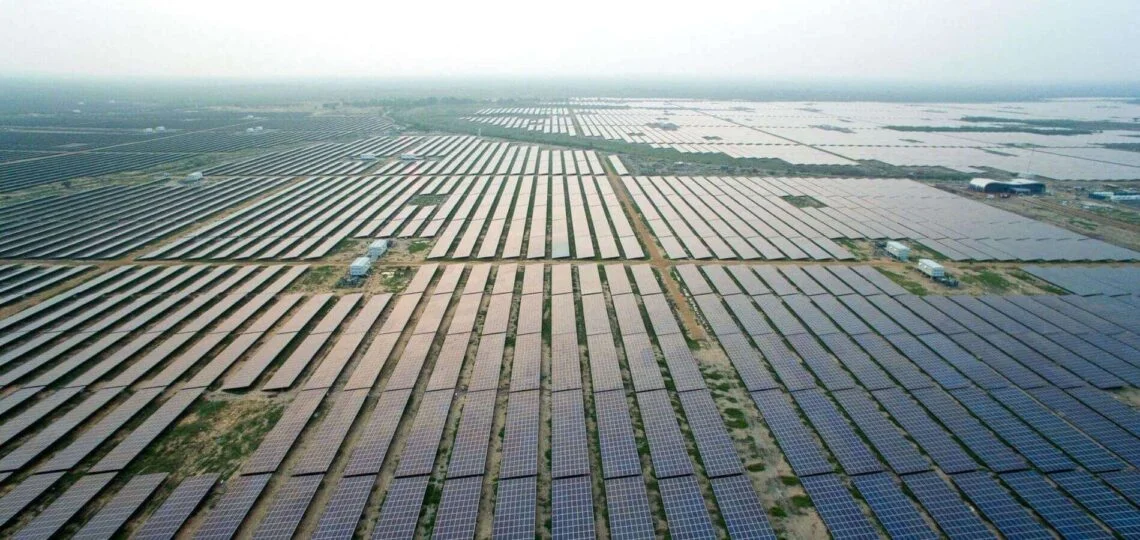
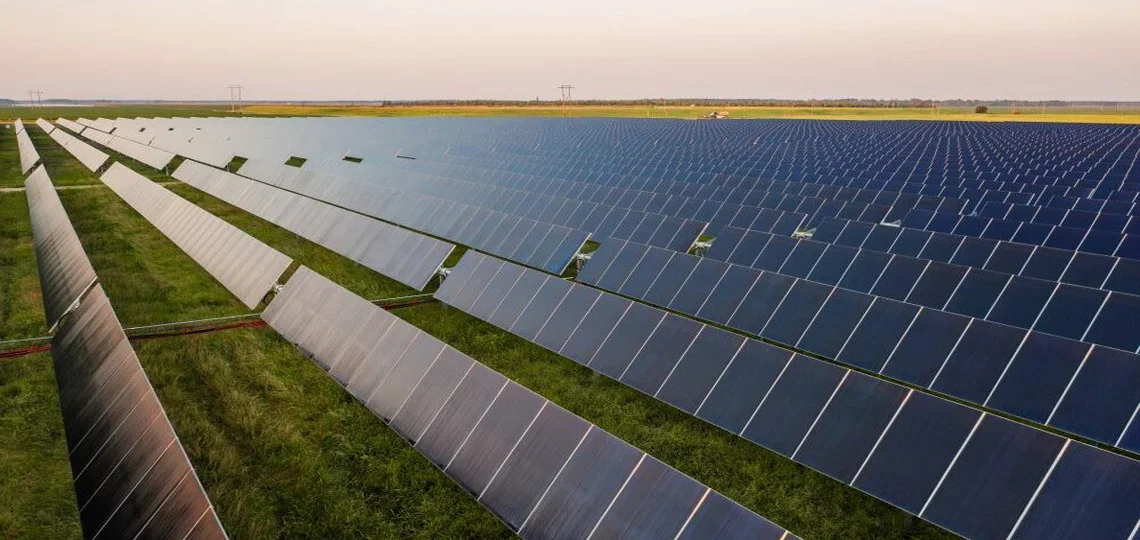
June 2025 delivered the highest photovoltaic output ever recorded in the European Union, up twenty-two % year on year, Ember noted. In Germany, solar generation peaked at fifty gigawatts during the hottest hours, reducing peak-time wholesale purchases. After sunset, the surplus vanished, exposing consumers to sharp volatility. Day-ahead contracts then doubled, and even tripled in Poland where the megawatt-hour fetched €470 ($508) on 1 July.
French and German markets saw peaks near €400 ($432) the same evening. In Spain, where hydropower remained available, the tariff jump was limited to fifteen %. Operators point out that still-high water stocks at the start of summer cushioned the rise. They warn, however, that this safety margin could shrink with repeated droughts.
Thermal plants under strain
The heat reduced cooling capacity at several French nuclear plants; seventeen of the eighteen sites cut output, some shutting down completely. German coal- and gas-fired units also slowed to comply with river-temperature limits. These constraints increased reliance on regional imports during evening peaks. Observers note that such conditions may recur more often as summers warm.
Nuclear operators are considering upgrading cooling systems or boosting fresh-water reserves for critical periods. Fossil-fuel operators are testing additional dry cooling towers. According to Ember, these investments add to producers’ fixed costs but are cheaper than prolonged unavailability. Initial feedback is expected before year-end.
Calls for greater flexibility
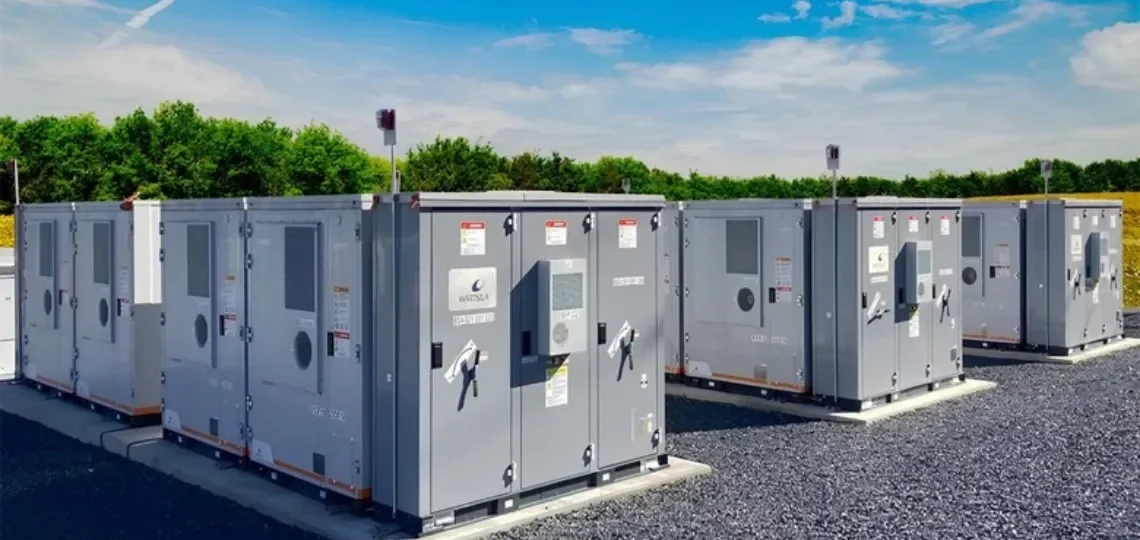
“Power systems must accelerate the roll-out of storage and demand management to remain reliable in a hotter climate,” said Pawel Czyzak, Europe programme director at Ember. The organisation sees strong potential in grid-forming inverters capable of restarting locally after faults. New market mechanisms remunerating such services could, he added, curb price volatility. Several system operators plan extra capacity tests ahead of the next summer season.