Mitsubishi HC Capital Energy and Ecokaku to build 10 MW of non-FIT solar per year
Mitsubishi HC Capital Energy and Ecokaku will develop 10 MW of non-subsidised solar power plants annually in Japan, targeting direct contracts with industrial buyers through long-term power purchase agreements.
| Sectors | Solar Energy, Energy Storage, Batteries, Photovoltaic |
|---|---|
| Themes | Industry & Execution, Innovation & Transformation, Corporate Strategy |
Mitsubishi HC Capital Energy has partnered with Japanese company Ecokaku to build non-feed-in-tariff (non-FIT) solar power plants, aiming for 10 MW annually. The projects will be concentrated in the Tohoku Electric Power service area, the company announced on December 5. Electricity output from these new facilities will be monetised through long-term power purchase agreements (PPAs), mainly signed with private-sector buyers.
Development and construction of the plants will be handled by Ecokaku, which will identify suitable sites, apply for grid connections, and execute the projects. Mitsubishi HC Capital Energy will manage the investments and oversee the commercial aspects, including the selection of aggregators and securing offtakers. This division of responsibilities is designed to accelerate deployment of solar capacity outside the FIT mechanism, which has become less attractive economically.
Expanding the PPA portfolio
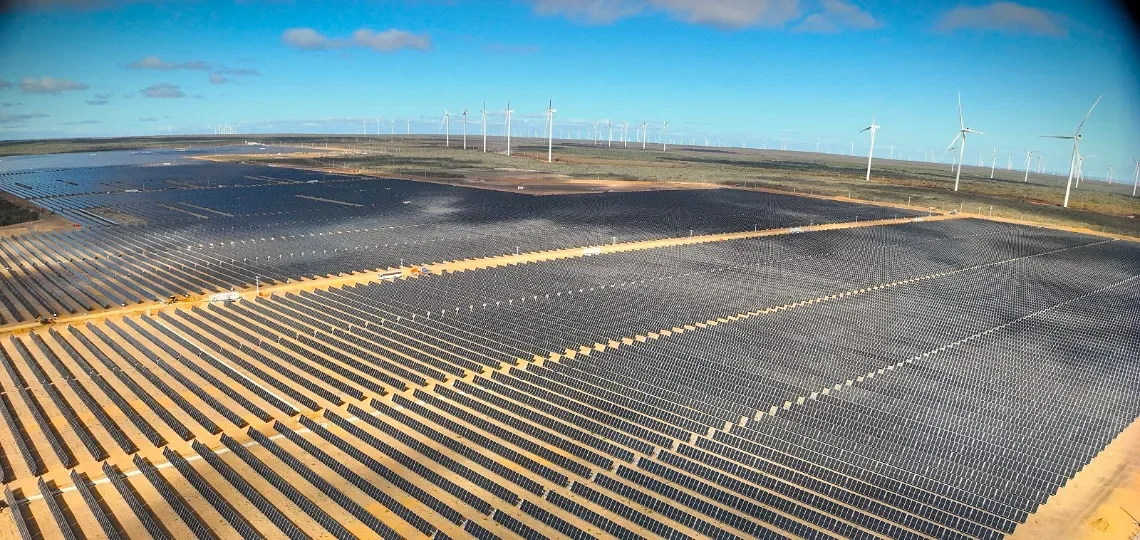
Mitsubishi HC Capital Energy currently holds stakes in over 100 solar power plants and one wind farm, with a combined capacity of 840.5 MW. The company is pursuing a strategy to diversify its revenue streams by shifting towards asset ownership under PPAs. It recently signed a deal to supply rail operator JR East from a 36 MWAC solar plant in Miyagi Prefecture.
This reflects a broader shift in Japan’s renewable energy market, where investors are increasingly moving away from government-backed schemes to develop long-term profitable assets. The move towards non-FIT models aligns with rising demand from corporates seeking contracted green electricity in a volatile energy price environment.
A structured local ecosystem
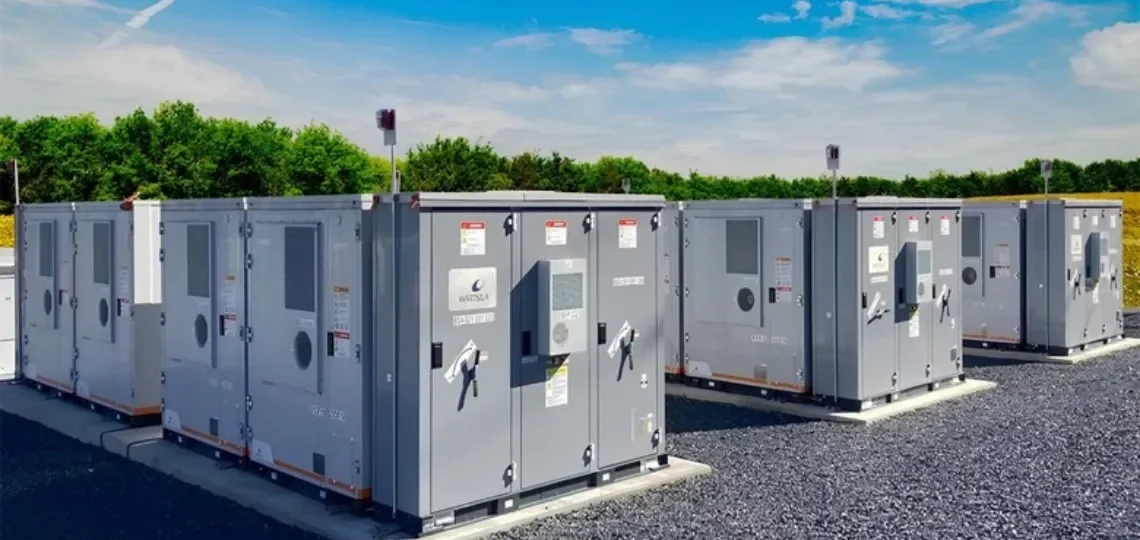
Based in Tochigi, Ecokaku specialises in the development and construction of renewable energy projects. It has already established partnerships with several industry players, including Solar Planet, with whom it is developing 60 solar power plants in the Kanto region, and Kaihan, for the annual delivery of ten Battery Energy Storage Systems (BESS).
In northern Japan, Mitsubishi HC Capital Energy is also active in grid-scale battery storage with a 25 MW/50 MWh project underway in Hokkaido. These investments reflect the growing interest of financial operators in diversifying energy assets amid evolving regulatory frameworks.