Meyer Burger abandons U.S. plant, stock market plunges immediately
Meyer Burger, Swiss manufacturer of solar panels, abandons plans for a site in Colorado, causing a 38.5% fall in its share price. The company refocuses its operations and launches a restructuring program to reduce costs.
| Sectors | Solar Energy, Photovoltaic |
|---|---|
| Themes | Industry & Execution, Innovation & Transformation, Corporate Strategy |
| Companies | Meyer Burger |
| Countries | Switzerland, China, United States |
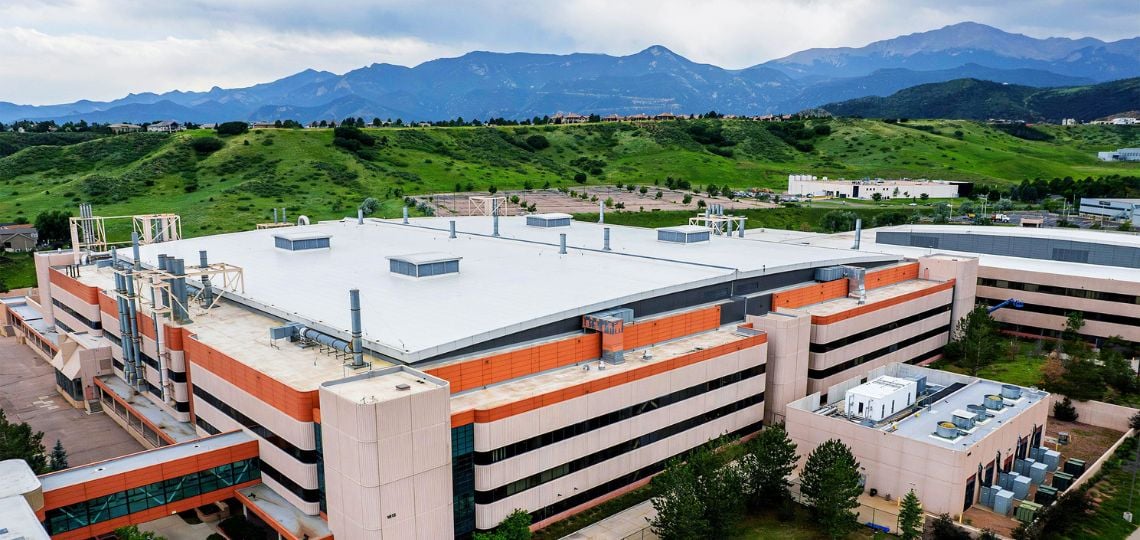
Meyer Burger, a Swiss company specializing in the manufacture of photovoltaic panels, has taken a radical decision by announcing the abandonment of its plans to build a plant in Colorado Springs, USA.
This decision, motivated by an unfavorable economic viability analysis, marks a turning point in the company’s industrial strategy.
The immediate consequence of this announcement was a 38.5% fall in Meyer Burger’s share price on the Swiss stock market, reflecting investors’ concerns about the company’s direction.
This decision comes against a backdrop of oversupply of solar panels in Europe, mainly due to massive imports from China, which have put pressure on prices and margins for European producers.
Faced with this heightened competition, Meyer Burger has decided to withdraw from its US project and concentrate its efforts on other production sites already under development.
Concentration of operations and strategic adjustment
Abandoning the project in Colorado allows Meyer Burger to concentrate its resources on its Goodyear site in Arizona, where the infrastructure is already in place and ready for large-scale production.
This strategic choice enables the company to streamline its operations while reducing the costs associated with expansion in an uncertain market.
At the same time, the Thalheim site, located in Bitterfeld-Wolfen, Germany, will continue to be a central pillar of solar cell production for the company, guaranteeing continuity of supply while avoiding dispersion of effort.
In addition, Meyer Burger has announced an ambitious restructuring program focused on reducing costs and improving profitability over the medium term.
This plan aims to adapt the company to the new realities of the global market, while strengthening its competitive position against rivals benefiting from lower production costs.
Competitive pressures and market outlook
The European solar panel market is currently dominated by Chinese products, whose lower production costs have considerably eroded the margins of local companies.
Against this backdrop, Meyer Burger is turning to the US market, perceived as more stable and offering growth prospects despite the challenges.
The closure of trade borders to Chinese panels in the USA offers an opportunity that the Swiss company is seeking to exploit to the full.
However, this strategic repositioning entails risks, particularly in terms of investment costs and managing the industrial transition.
Concentrating activities in Arizona and maintaining operations in Germany should enable Meyer Burger to capitalize on synergies and maximize operating efficiency in a sector where margins are increasingly tight.