Mass Megawatts launches hydroelectric technology with two-year return on investment
Mass Megawatts unveils a new low-cost hydroelectric system with a payback period of under two years at optimal sites, relying on modular structures and standardised components.
| Sectors | Marine & Hydraulic Energy, Hydroelectricity |
|---|---|
| Themes | Innovation & Transformation, Sector Innovation |
| Countries | United States |
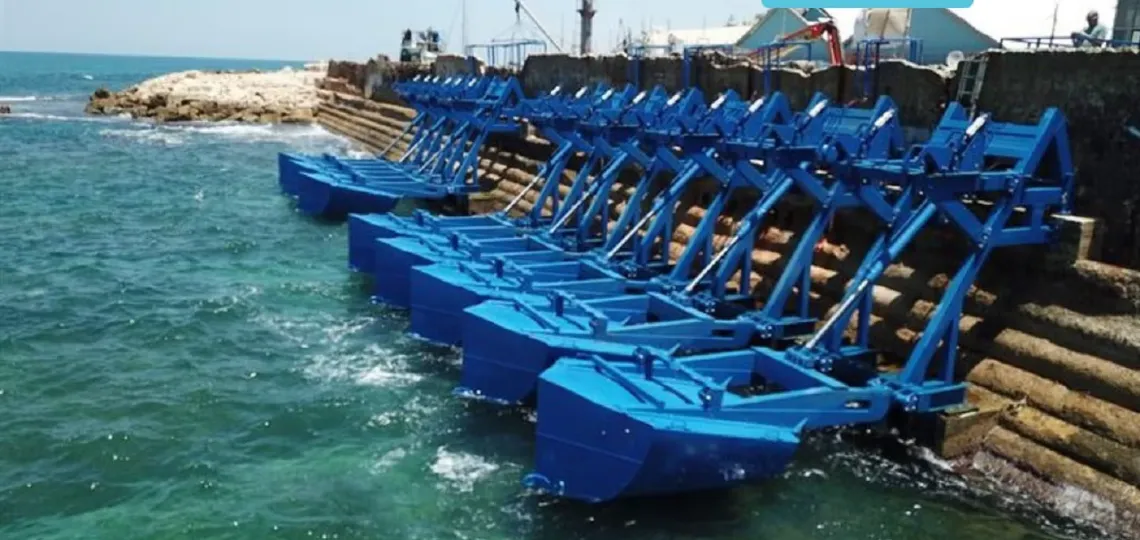
Mass Megawatts, a company specialising in renewable energy, has announced the development of a hydroelectric technology designed to significantly reduce upfront capital costs. The new system, named Hydro Multiaxis Turbosystem (Hydromat), promises rapid profitability with a return on investment estimated at under two years in optimal locations.
A structural concept based on modularity
The technology is built around a tower structure made of lattice sections, equipped with multiple small rotors mounted on individual shafts, each connected to generators through gearboxes. This configuration allows the use of less than 50% of the material required by conventional hydroelectric turbines for the same rated power output. By relying on standardised components, Mass Megawatts aims to simplify construction and maintenance while mitigating supply chain risks.
Reducing material and engineering costs
One of the main cost-cutting strategies involves blade size. Instead of using large single blades, the design incorporates numerous smaller blades, generating less structural stress and simplifying manufacturing. The weight of a blade increases with the cube of its length, whereas the power output rises with the square, making small blades more efficient.
By reducing vibrations and mechanical stress, the system extends the lifespan of components, particularly bearings. The use of damping materials such as polyurethane further lowers repair costs by improving the durability of moving parts compared to traditional setups.
Energy efficiency optimisation
The Hydromat system also improves energy efficiency by reducing inertia and better distributing mechanical loads. Smaller blades rotating at higher speeds allow for lighter internal components and lower gearbox requirements. This configuration supports faster start-up and improved efficiency during operation.
Mass Megawatts highlights the ability to adjust blade angles on each shaft to smooth out torque fluctuations. This technical feature aims to reduce premature wear on generators while ensuring a more stable output. The tower structure, similar to a four-legged table, provides greater stability than single-pole systems and requires less material to achieve comparable rigidity.
Commercial deployment targeted at high-potential sites
The company plans to prioritise deployment in hydroelectric sites with optimal conditions, where water density – about 800 times greater than air – enables maximum efficiency. Materials such as stainless steel or composites can be used to reinforce the unit without increasing costs.
Mass Megawatts is aiming for rapid deployment through simplified industrialisation. Key components, except for the mass-produced blades, can be sourced from multiple suppliers. This approach could shorten production lead times and better address market demand.