Dangote Refinery Nears Full Capacity Despite Supply Challenges
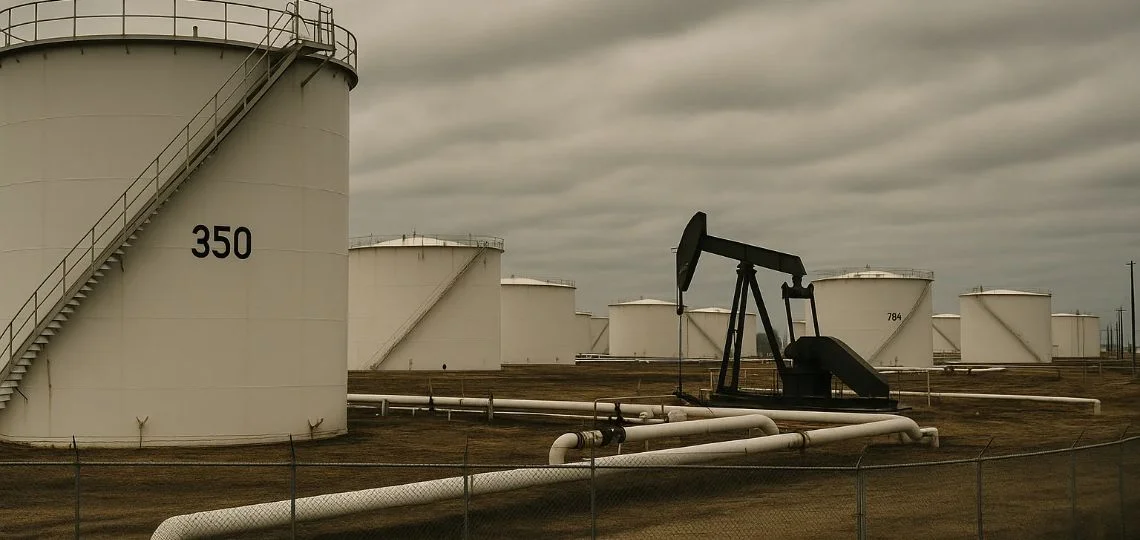
Dangote Refinery, Africa’s largest, could reach its full potential of 650,000 barrels per day within 30 days. Currently operating at 85% capacity, it faces crude oil supply challenges despite pressure from Nigeria’s regulatory authorities.
| Countries | Arabie Saoudite, États-Unis |
|---|---|
| Sector | Pétrole, Raffinage |
| Theme | Marchés & Finance, Analyse sectorielle |
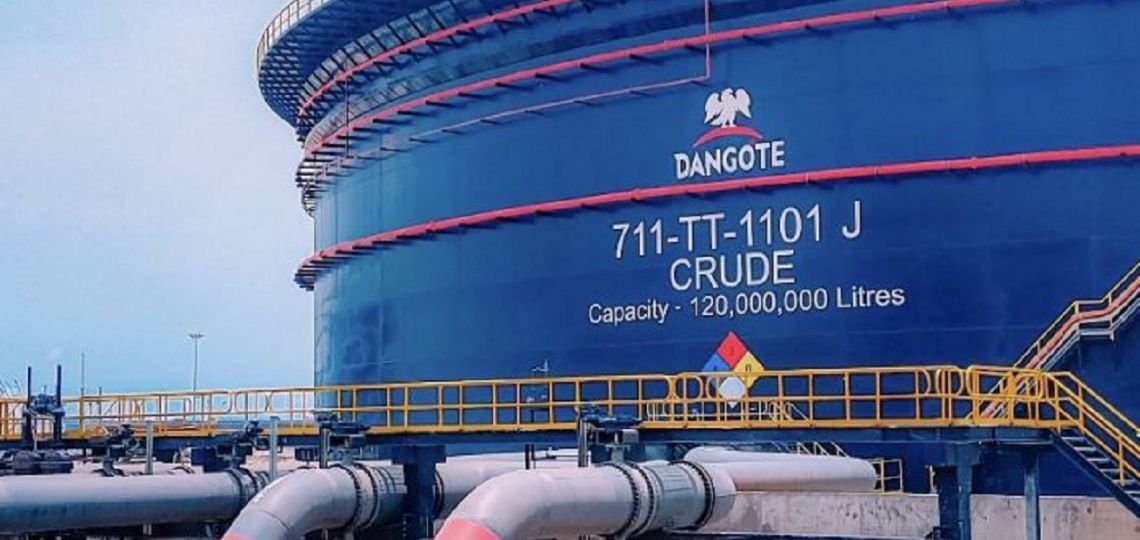
Dangote Refinery, located in Nigeria, is on the verge of reaching full capacity after more than a year of operating below its nominal capacity. According to Edwin Devakumar, Vice President of Dangote Industries Limited, the facility could refine 650,000 barrels per day within a month. This ramp-up comes amid persistent crude oil supply difficulties.
Production Hindered by Crude Imports
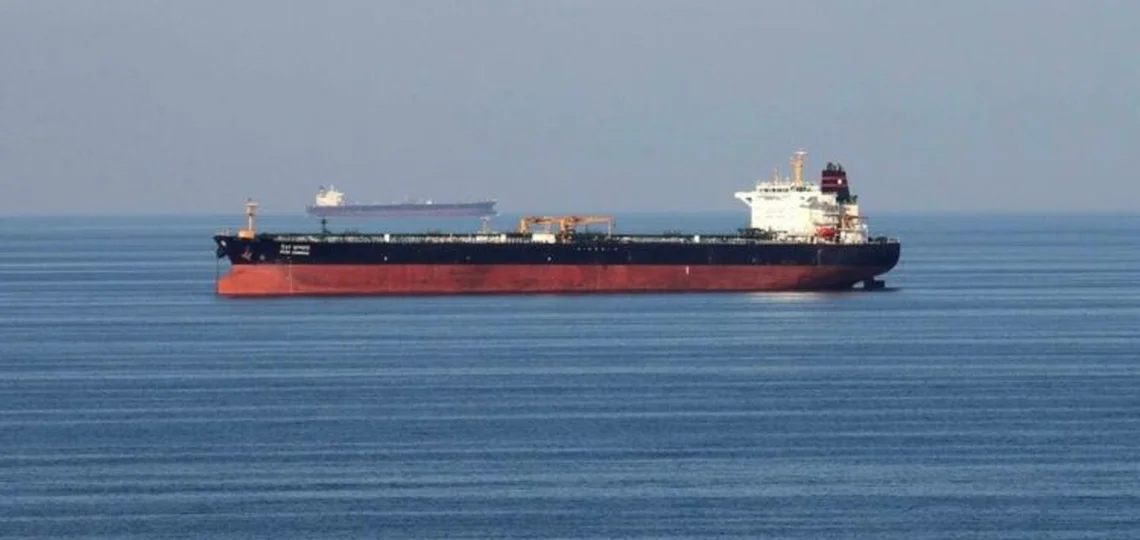
Since its commissioning, the refinery has had to import crude oil, notably from the United States, to compensate for supply delays from Nigerian producers. Despite an initial agreement with the government to source local crude in exchange for payment in naira, the implementation of this commitment has encountered resistance from the sector.
In response, Nigeria’s upstream oil regulatory authority (NUPRC) recently warned producers of potential sanctions if they fail to meet their supply obligations to local refineries. This warning includes the threat of export permit suspension for non-compliance.
Positioning in International Markets
Beyond meeting domestic demand, Dangote Refinery is also aiming to establish itself in the international refined products market. Recently, the company shipped two cargoes of jet fuel to Saudi Aramco, a major player in the oil sector. This initiative represents a strategic step for Dangote’s integration into global energy markets.
With the prospect of reaching full refining capacity in the coming weeks, the company’s focus is now on stabilizing its crude supply. The response of local producers to regulatory directives will be crucial to sustaining this production ramp-up.