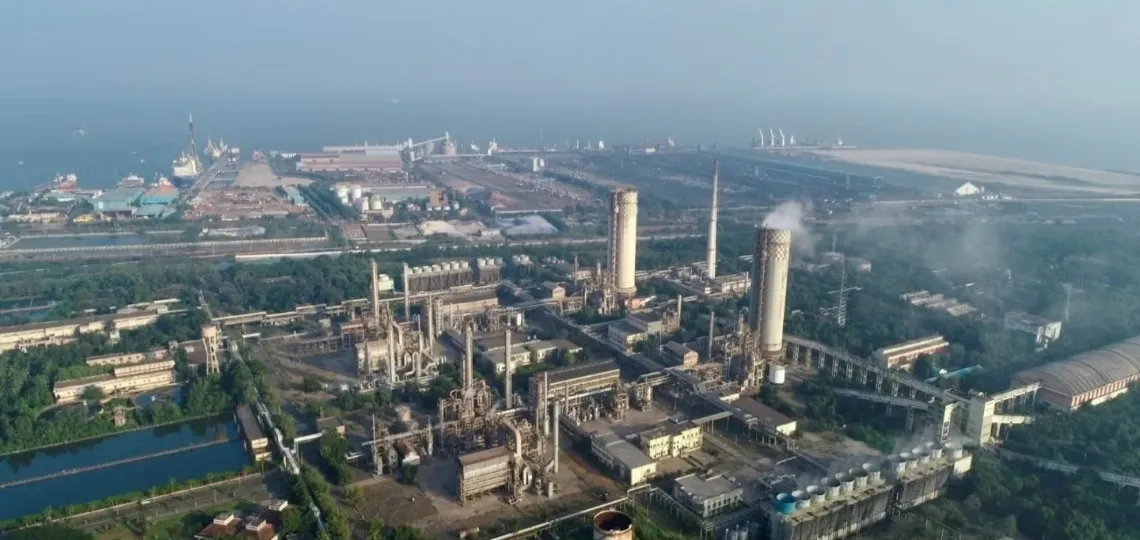
Chinese group Jiaze New Energy, through its subsidiary Heilongjiang Jiayi Rongyuan Green Chemical, has signed an agreement with the Jixi municipal government to develop a facility producing alternative fuels from non-food agricultural biomass. Located in Heilongjiang province, the project targets an annual output of 450,000 tonnes of green methanol, 150,000 tonnes of green ethanol and 100,000 tonnes of sustainable aviation fuel (SAF), significantly exceeding the 300,000 tonnes initially stated in public disclosures.
Integrated conversion chain and industrial ambition
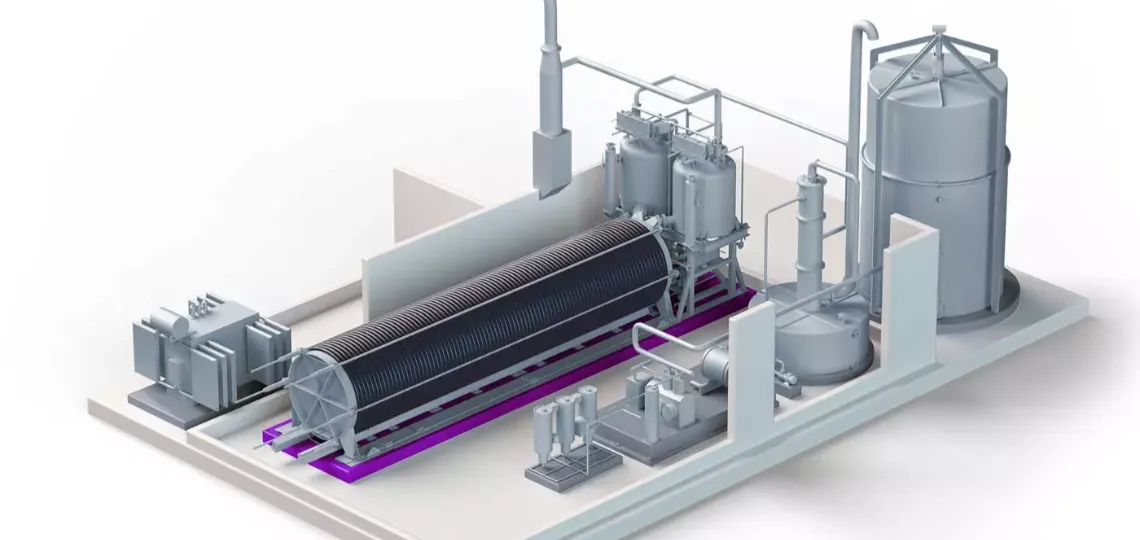
The technical process converts agricultural residues—primarily straw and corn cobs—into green alcohols through gasification, followed by Alcohol-to-Jet (ATJ) synthesis to produce aviation fuel. The timeline foresees the start of civil works in May 2026 and industrial commissioning by the end of 2027, according to project documentation.
The investment contract includes concrete commitments from the city of Jixi, covering administrative permits, access to low-carbon electricity, railway logistics and seasonal biomass storage. The supply chain is supported by a dedicated rail line managed by China Railway Harbin Group, indicating a strategy based on volume scaling.
International certification and market orientation
The ISCC (International Sustainability and Carbon Certification) pathway is embedded in the agreement, aligning the project with European sustainability standards. In parallel, China continues to regulate its SAF export flows through quotas, while building a domestic market via structured pilot projects.
Jiaze acknowledges that project profitability hinges more on public incentives, carbon credits and regulatory mandates than on pure cost advantages. The ATJ process helps bypass constraints related to used cooking oil, a feedstock under pressure across Asia.
Execution risks and regulatory variability
The project carries multiple risks linked to regulation, feedstock traceability and certification standards. Local authorities have committed to supporting environmental permits, safety evaluations and social stability assessments, yet permitting in chemical zones remains time-intensive.
The ISCC certification requires strict upstream monitoring, which could slow industrial ramp-up if audits or traceability expectations are not met. Additionally, the company cites the risk of divergent domestic and international standards that may affect fuel classification and market access.
Financial structure and geopolitical positioning
Phase one costs range between CNY35.6bn ($4.95bn) and CNY40bn ($5.56bn), depending on the source, with scope definitions remaining unclear. These CAPEX discrepancies and the absence of firm offtake agreements raise questions among analysts regarding the financial viability of the initiative.
The European Union’s ReFuelEU programme mandates increasing SAF blending targets, generating a structural demand. In parallel, China’s controlled export quota system and emphasis on domestic value addition support projects that can scale SAF production and export under strategic conditions.