Erex and ENEOS cancel 300MW biomass project in Niigata
Erex will end the environmental assessment of a 300MW biomass project developed with ENEOS in Niigata due to rising costs and a weaker yen.
| Sectors | Alternative Fuels, Biofuels |
|---|---|
| Themes | Project Development, Announcement |
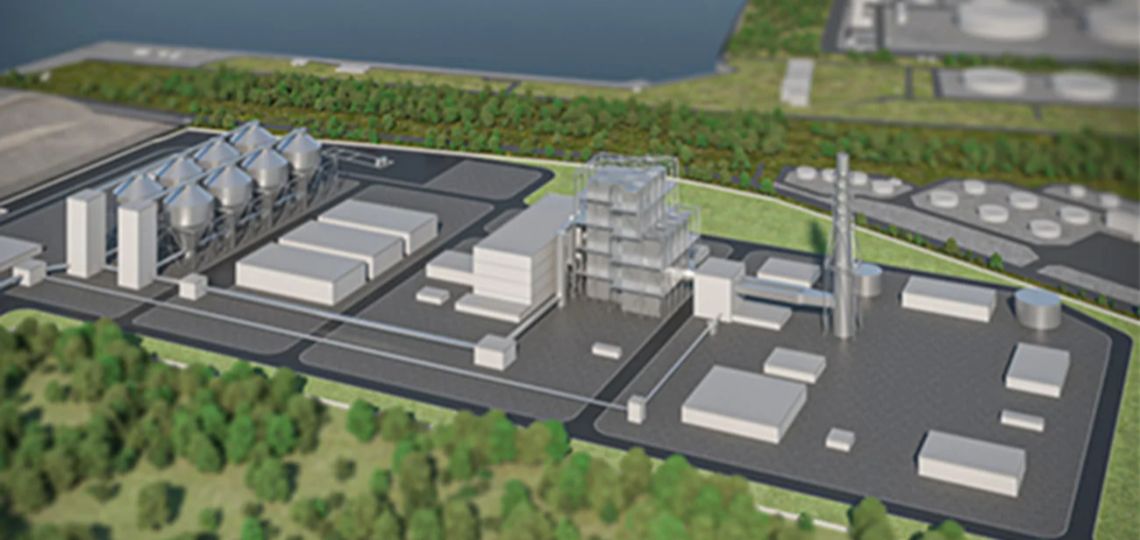
Japanese biomass power producer Erex will officially terminate the environmental impact assessment of its planned 300MW power plant in Seiro, Niigata Prefecture, on November 26. The decision ends a joint development with ENEOS Corporation, initiated in 2020 on a former golf course site owned by ENEOS.
The project was expected to generate around 2 terawatt-hours annually, primarily using sorghum imported from Vietnam and the Philippines. It was designed to operate outside Japan’s Feed-in-Tariff (FIT) scheme, with construction initially set to begin in 2023 and commissioning planned for fiscal year 2026. However, the need for additional environmental analyses had already delayed construction to FY2026 and commercial operations to FY2029.
Rising construction costs and currency pressure
Since its announcement, the project has faced a marked increase in construction costs. These were further exacerbated by the depreciation of the yen against the US dollar, raising operating expenses for assets dependent on imported biomass fuel. The yen has lost more than 40% of its value since 2020, falling from around 105 to nearly 150 yen per dollar, significantly increasing the cost of foreign-sourced biomass.
Data from the Ministry of the Environment indicates that both companies have opted not to continue the regulatory process required for plant construction. The cancellation was confirmed before any construction permit was granted.
Strategic adjustment in Erex’s biomass portfolio
Erex currently holds a biomass portfolio of 493MW, including six operational plants ranging from 49MW to 149MW. This includes a 20MW facility in Shikoku that remains under long-term shutdown. The withdrawal from the Niigata project may lead to a reallocation of resources to other assets or new developments less exposed to foreign exchange volatility.
No public statements were issued by the companies involved, but the cancellation occurs amid broader reassessments of biomass generation strategies in Japan, particularly for projects operating outside the FIT scheme.