Tuas Power plans to convert coal plant to biomass by 2028
Tuas Power aims to eliminate coal in Singapore by converting its TMUC facility to biomass, marking a strategic shift in energy supply for Jurong Island’s industrial base.
| Sectors | Gas, Biomethane |
|---|---|
| Themes | Investments & Transactions, Financing, Project Development |
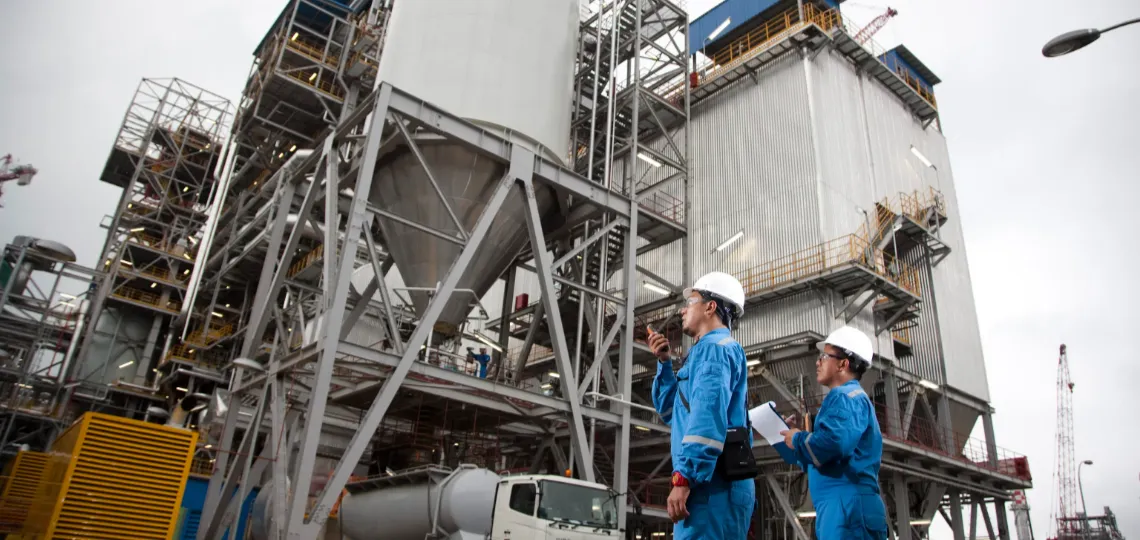
Tuas Power, operator of Singapore’s only coal-fired power plant, plans to fully convert its Tembusu Multi-Utilities Complex (TMUC) to biomass by 2028. Located on Jurong Island, the plant provides both electricity and steam for local industrial operations. This transformation marks a structural shift in the country’s energy policy, targeting the phase-out of coal from its power generation mix.
Phasing out coal from the national power mix
TMUC currently represents the sole use of coal in Singapore’s electricity production, contributing around 1% according to official data. Commissioned in 2013, the facility currently operates on a hybrid model using approximately 70% coal and 30% biomass. The new plan aims to raise biomass use to 100%, effectively ending coal usage in Singapore’s electricity sector.
The conversion plan includes an estimated annual biomass consumption of over 1.3 million tonnes to maintain 135 megawatts of capacity and steam output. Feedstock will primarily consist of imported palm kernel shells from Indonesia and Malaysia, along with local woody and horticultural waste from Singapore.
Ensuring industrial continuity during transition
TMUC’s cogeneration role, supplying both power and steam to industrial clients, adds complexity to the transition. Continuity of service and thermal performance must be maintained to avoid disrupting Jurong Island’s industrial operations.
Technical adaptation of the boilers for 100% biomass combustion will require structural changes. Biomass’s lower calorific value compared to coal could also affect cost structures and pricing for industrial users.
Biomass sourcing and certification challenges
Securing a sustainable biomass supply is central to the project. As Singapore lacks large volumes of agricultural residue, its reliance on imports exposes the project to price volatility, cross-border logistics, and environmental traceability risks.
Singapore’s financial authorities, including the Monetary Authority of Singapore (MAS), are monitoring such transitions within the context of the regional green taxonomy. Financing criteria linked to this project may influence future investment decisions on other thermal assets.
A regional model in Southeast Asia
The TMUC project could serve as a regional precedent, especially as ageing coal plants across Southeast Asia approach potential early retirement. Several neighbouring countries are considering conversion or accelerated phase-out mechanisms, supported by tools such as transition credits.
Key next steps include confirmation of the transition timeline by Tuas Power, securing biomass supply contracts, and ensuring uninterrupted industrial service during retrofitting works.