Global EV Charging Points to Reach 206.6 Million by 2040
Electric vehicle charging infrastructure investments are expected to hit $300 billion by 2040, driven by a 12.3% annual increase in global charging port deployments.
| Sectors | Mobility, EV Charging Infrastructure |
|---|---|
| Themes | Markets & Finance, Sector Analysis |
| Companies | Wood Mackenzie |
| Countries | Brazil, China, India, Saudi Arabia, United States |
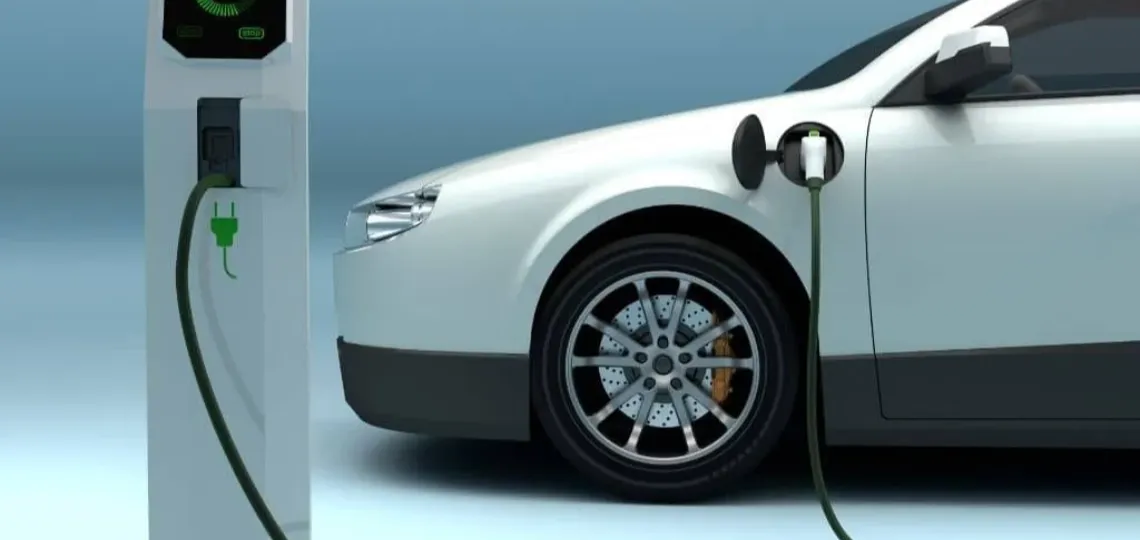
The global market for electric vehicle (EV) charging infrastructure is on track for significant growth, according to analysis firm Wood Mackenzie. Between 2026 and 2040, the total number of EV charging ports is projected to grow at a compound annual growth rate (CAGR) of 12.3%, reaching 206.6 million units worldwide.
Among these infrastructures, the residential segment will continue to dominate. By 2040, an estimated 133 million home-based charging points will be deployed, accounting for the majority of global capacity. This trend is supported by an 8% annual growth in global spending on charging infrastructure, with total investments expected to reach $300 billion by 2040.
Usage Patterns and Pressure on Public Infrastructure
Rising utilization rates of public infrastructure and improved operational efficiency are directly affecting equipment availability. The report forecasts the ratio of electric vehicles to public charging points will rise from 7.5 vehicles per charger in 2025 to 14.2 by 2040. This shift highlights the growing importance of home-based solutions and potential strain on public networks in certain areas.
Level 2 residential chargers currently represent two-thirds of global installations and are expected to maintain this share through at least 2050. This segment remains favored due to its perceived balance of efficiency and convenience for EV owners.
Regional Dynamics: Asia-Pacific Leads the Way
The Asia-Pacific region is expected to remain the global leader in deployment, with China retaining its central role in public infrastructure investments. A 10% annual growth rate is projected for direct current (DC) charging from 2025 to 2040. Public Level 3 (L3) and residential Level 2 (L2) segments will account for the largest annual capital expenditures by 2040, estimated at $54 billion and $33 billion respectively.
India stands out as a rapidly expanding market, with the number of fast DC chargers projected to grow from 14,000 units today to 1.1 million by 2040. This development is supported by strong government incentives and a fast-growing domestic EV market.
Catch-Up Momentum Across the Americas
In the United States, the public fast-charging DC (DCFC) segment is expected to grow at a 14% CAGR between 2025 and 2040, reaching 475,000 ports and generating an annual market value of $3.3 billion by 2040. Despite some regulatory uncertainties, stable demand and private electrification initiatives are sustaining the momentum.
In South America, the residential segment is experiencing accelerated growth, with a 22% CAGR. This pace reflects the region’s effort to close the adoption gap with North America, supported by increasingly favorable regulatory environments in select countries. The residential L2 segment will dominate regional capital expenditure, with $11.2 billion projected by 2040.
Accelerated Transition in Europe and the Middle East
Europe’s charging market continues its expansion, led by growth in public DC infrastructure, which is projected to rise at a 13.7% CAGR. Overall, European public infrastructure is set to grow at a CAGR of 11.3% through 2040. In parallel, the residential market is expected to reach 57 million alternating current (AC) chargers. Commercial charging is also set to grow at 12% per year.
Saudi Arabia is emerging as a key regional player, with a remarkable 29% CAGR in public DC charging, aligned with the government’s long-term infrastructure targets. Across the Europe, Middle East, and Africa (EMEA) region, total annual spending is projected to reach $14 billion for public infrastructure and $30 billion for residential installations by 2040.