France reforms small-scale solar tariffs to contain public spending
A decree published in the Official Journal revises support for photovoltaic systems under 500 kWc by lowering certain tariffs and introducing a bank guarantee to regulate project eligibility.

| Sectors | Solar Energy, Photovoltaic |
|---|---|
| Themes | Regulation & Governance, Regulation |
| Companies | Syndicat des Énergies Renouvelables, Commission de régulation de l’énergie |
| Countries | France |
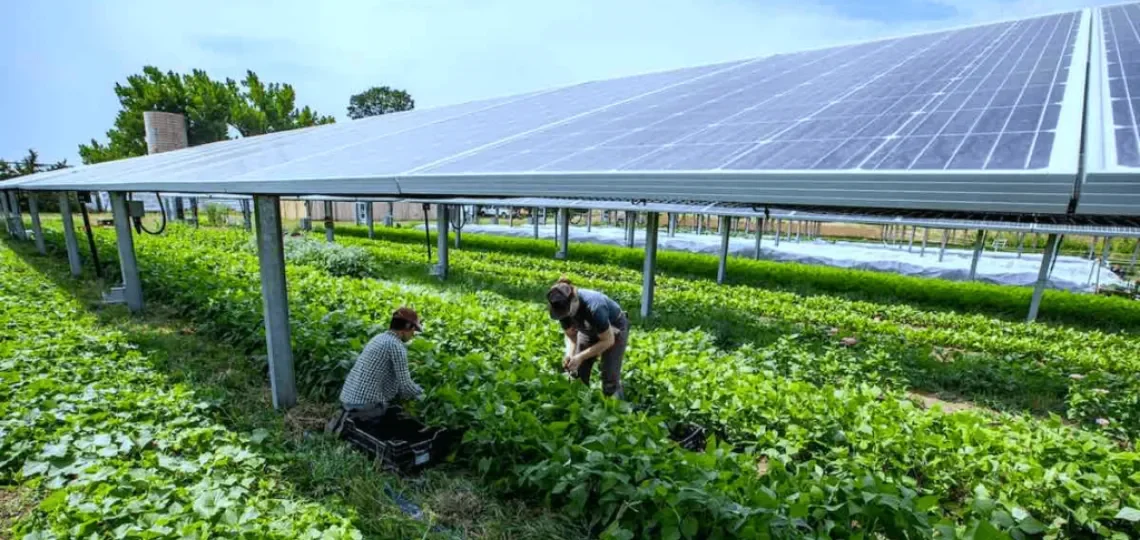
On 27 March, the French government formalised a decree modifying the purchase conditions for electricity generated from small-scale photovoltaic systems, defined as installations with a capacity of 500 kilowatts-peak (kWc) or less. The regulatory reform, effective from 28 March, targets systems installed on buildings, sheds or carports, aiming to refocus public support and mitigate fiscal impact.
This tariff revision follows a consultation process launched on 12 February, with input from the Commission de régulation de l’énergie (CRE), the Conseil supérieur de l’énergie (CSE) and industry stakeholders. The Ministry for the Energy Transition stated that the discussions resulted in a final version that incorporates certain sector concerns while maintaining the government’s budgetary objectives.
Adjustment of self-consumption incentives
Support for residential systems between 0 and 9 kWc has been revised with a reduction in the tariff for surplus electricity fed into the grid and a lower investment premium. These changes aim to promote self-consumption, although the sector’s request to align the new rates with the reduced 5.5% VAT due in October was not adopted.
For medium-sized systems, between 100 and 500 kWc, a simplified tendering mechanism will be introduced in the second half of 2025. This approach will enable more controlled management of project volumes. Until that point, the current feed-in tariff of EUR 95/MWh will remain applicable.
Project eligibility regulated by bank guarantee
To deter speculative applications, a mandatory bank guarantee of EUR 10,000 per project will be required. This measure is designed to reserve public support for projects with demonstrable financial viability. Local authorities will be exempt from the financial guarantee, provided a municipal resolution approves the project and the authority is the direct project sponsor.
Furthermore, the new scheme will not apply retroactively. Initially planned for 1 February, the implementation date was postponed to 28 March following feedback from stakeholders during the consultation phase. The ministry confirmed the change to ensure regulatory clarity for ongoing developments.