Europe Faces Critical Stagnation in Climate and Environmental Investments
Despite the proclaimed urgency, European climate investments stagnate around €500 billion per year, far from the estimated needs of nearly €850 billion. New financial instruments are attempting to revive an indispensable momentum.
| Sectors | Wind Energy, Solar Energy, Photovoltaic, Onshore |
|---|---|
| Themes | Investments & Transactions, Project Development, Financing |
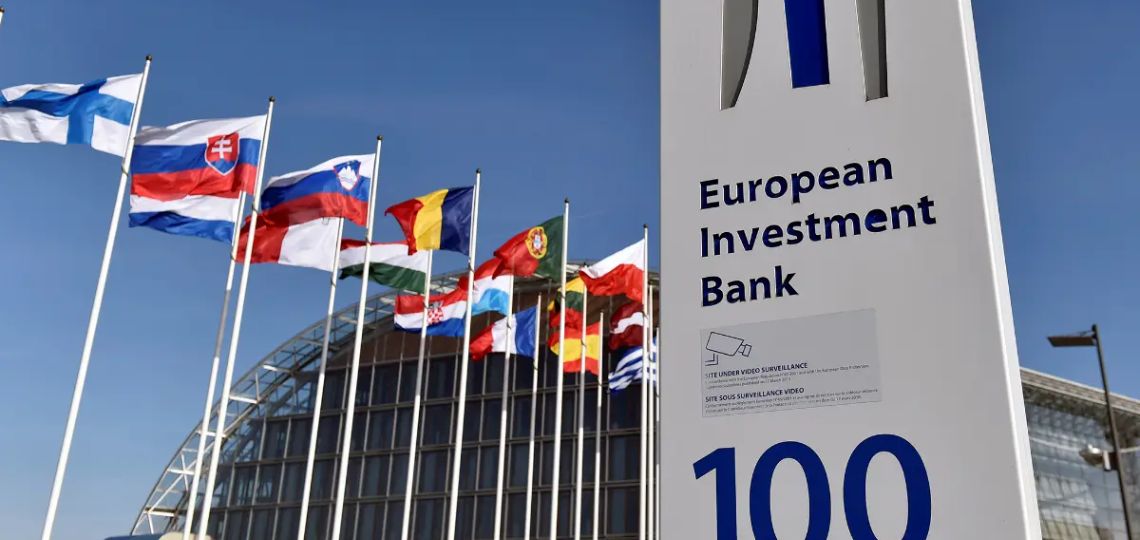
| Companies | Banque européenne d'investissement |
| Countries | Spain, France, Italy |
After years of steady growth, climate investments in Europe are now experiencing a worrying stagnation. In 2023, public and private climate-related funds in the European Union (EU) reached only €498 billion, slightly up from €491 billion the previous year, marking a marginal increase. This stagnation occurs at a time when the targets set for 2030 require an annual mobilization estimated at around €842 billion. Consequently, a persistent deficit jeopardizes the trajectory towards carbon neutrality by 2050.
An Alarming Gap Between Goals and Financial Reality
The Institute for Climate Economics (I4CE) reveals that this stagnation could become an outright decline as early as 2024. Jean Pisani-Ferry, President of I4CE, emphasizes a stark contrast between ambitious political commitments and their actual implementation. Sectors particularly affected by this lag are wind energy and energy renovations of older buildings. Conversely, solar energy and new construction are more aligned with planned trajectories.
According to the European Commission, additional green investment needs amount to €477 billion per year until 2030, equivalent to 3.2% of Europe’s 2023 GDP. This would bring the total required effort to approximately €1.2 trillion per year. This figure notably includes investments in transport infrastructure, energy decarbonization, and improving energy efficiency in buildings.
The Central but Complex Role of the Private Sector
In this context, the private sector plays a major yet still insufficiently mobilized role. Banks, which provide 60% of financing for European companies, are essential in this dynamic. However, they now incorporate climate risks into their lending conditions, resulting in increased selectivity. Companies presenting credible transition plans obtain preferential rates, whereas those considered risky face dissuasive premiums.
Financial markets, through green bonds and specialized private funds, remain limited to around 7% of the total European debt market. Despite initial enthusiasm, these markets struggle to grow significantly, notably hindered by uncertainties regarding returns on green investments and the complexity of regulatory standards.
Europe’s Institutional Response: New Funds and Mechanisms
Faced with these challenges, the European Union has launched innovative instruments such as Green Private Credit, managed by the European Investment Fund (EIF). With an initial target of €200 million, this fund aims to mobilize several billion euros in green financing for European SMEs through a network of private credit funds. Supported by major institutional investors such as BPCE Assurances, MACIF, and Mutuelle Médicis, it intends to directly stimulate decarbonization among small and medium-sized enterprises.
Ambroise Fayolle, Vice-President of the European Investment Bank (EIB), believes this mechanism is crucial to attracting the private capital needed to finance the climate transition, while contributing to building an integrated European private credit market.
Essential but Insufficient Public Support in the Long Term
European public funding, particularly through the Next Generation EU (NGEU) and the Recovery and Resilience Facility (RRF), totals over €658 billion for the period 2021–2027. However, the actual use of funds remains slow, with only 20% of climate-related envelopes disbursed at the halfway point. Limited absorption is mainly explained by administrative complexity and strict performance criteria.
Furthermore, the RRF, the central pillar of European climate financing, will expire at the end of 2026. The European Central Bank (ECB) then anticipates a significant increase in the public financing gap, estimated at an additional €20 billion per year from 2027 onwards, potentially reducing the leveraging effect of public funds on private investment.
Major Obstacles: Lack of Skills and Regulatory Complexity
Additionally, a joint study by the European Patent Office (EPO) and the EIB highlights persistent structural barriers. Nearly 30% of clean technology companies cite difficulties accessing financing as a major obstacle, compared to just 15% of traditional companies. The shortage of skilled personnel in green technologies and regulatory complexity pose further crucial challenges. To address these constraints, urgent structural reforms are required, especially in training and regulatory simplification.
Carbon Taxation: An Essential but Complex Necessity
Carbon taxation is identified as a critical lever to stimulate green investments. The EU already operates the European Emissions Trading System (EU ETS), although its effectiveness is limited by a carbon price still below objectives. Starting in 2027, a new ETS2 mechanism will include the transportation and residential heating sectors, promising a significant increase in the system’s effectiveness. Nonetheless, member states still apply widely varying rates, making further harmonization necessary.
Capital Markets Integration: Key to Sustainable Momentum
Finally, strengthening the Capital Markets Union (CMU) appears essential to accelerate green financing. Better integration of European financial markets would mobilize more private funds necessary for technological innovations and risky projects linked to the climate transition. Access to venture capital remains limited in Europe, hindering the growth of innovative sustainable technology companies, thus necessitating coordinated action at the European level.
Today, the European financial landscape, although endowed with significant strengths, faces a major challenge: reconciling climate urgency with financial pragmatism amid a worrying stagnation in investments. This situation pushes both public and private actors to constantly innovate, finding new financial and regulatory levers essential to achieving the ambitious climate objectives set by the European Union.