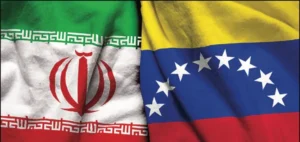
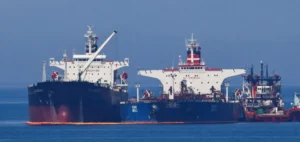
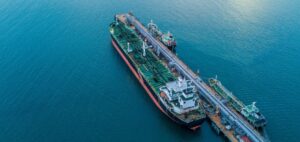
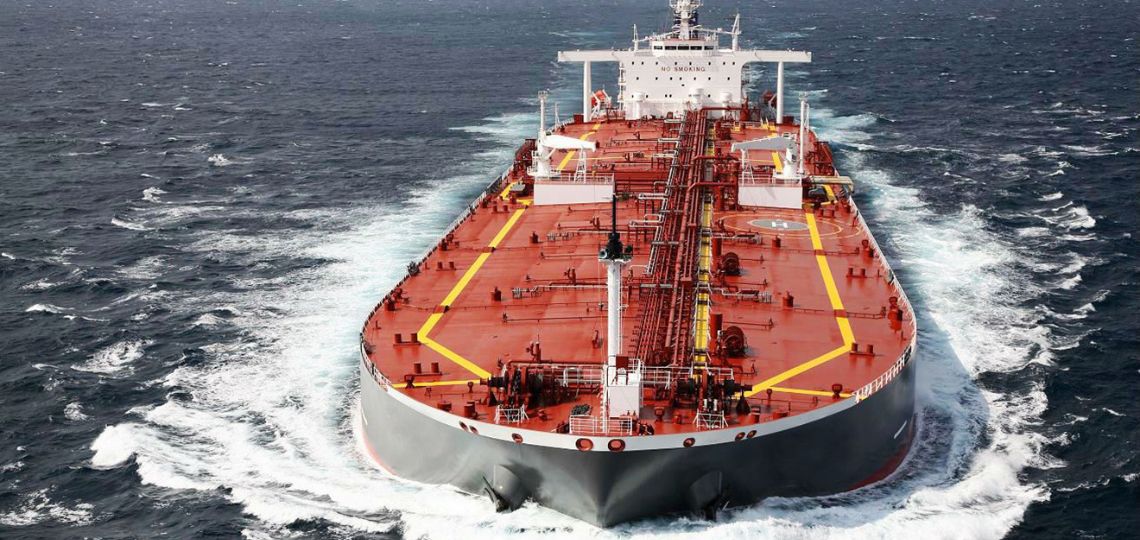
Caracas says Iran has offered reinforced cooperation after the interception of two ships carrying Venezuelan crude, amid escalating tensions with the United States.
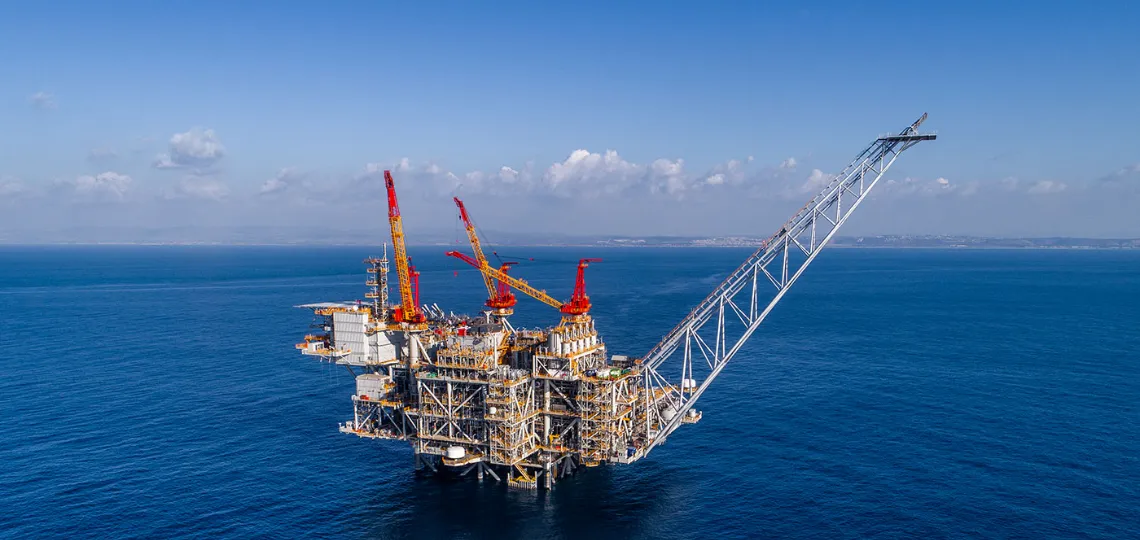
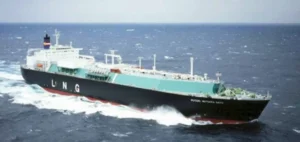
An agreement announced on December 17, 2025 provides for twenty years of deliveries through 2040. The package amounts to 112 billion new Israeli shekels (Israeli shekels) (NIS), with flows intended to support Egyptian gas supply and Israeli public revenues.
The Venezuelan national oil company has confirmed the continuity of its crude exports, as the United States enforces a maritime blockade targeting sanctioned vessels operating around the country.
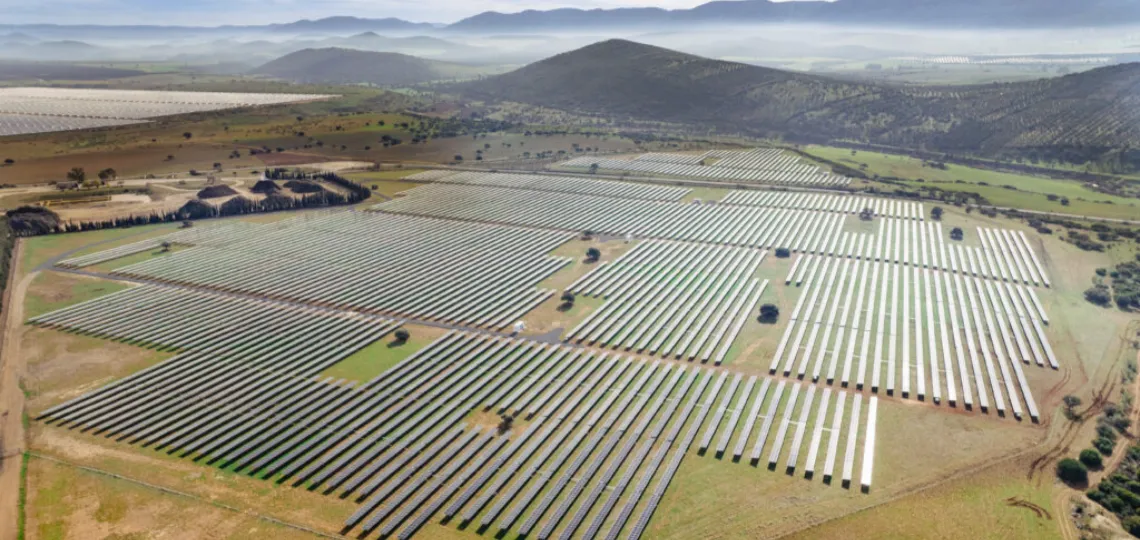
Chinese supplier HiTHIUM enters the Israeli market with a strategic agreement to deploy 1.5GWh of long-duration energy storage alongside El-Mor Renewable Energy.
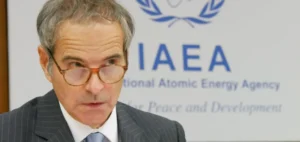
The International Atomic Energy Agency denounces the ongoing inspection blockage at several damaged Iranian nuclear facilities, where stocks of highly enriched uranium remain.
A $400 million natural gas pipeline connecting Israel to Cyprus, with a capacity of 1 billion cubic meters per year, is awaiting government approvals, according to Energean’s CEO.
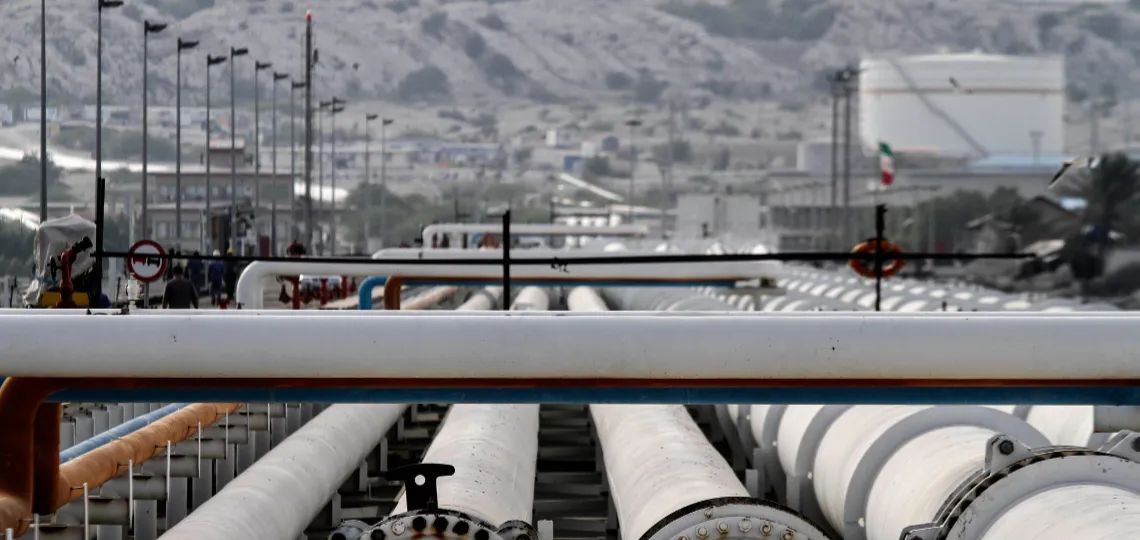
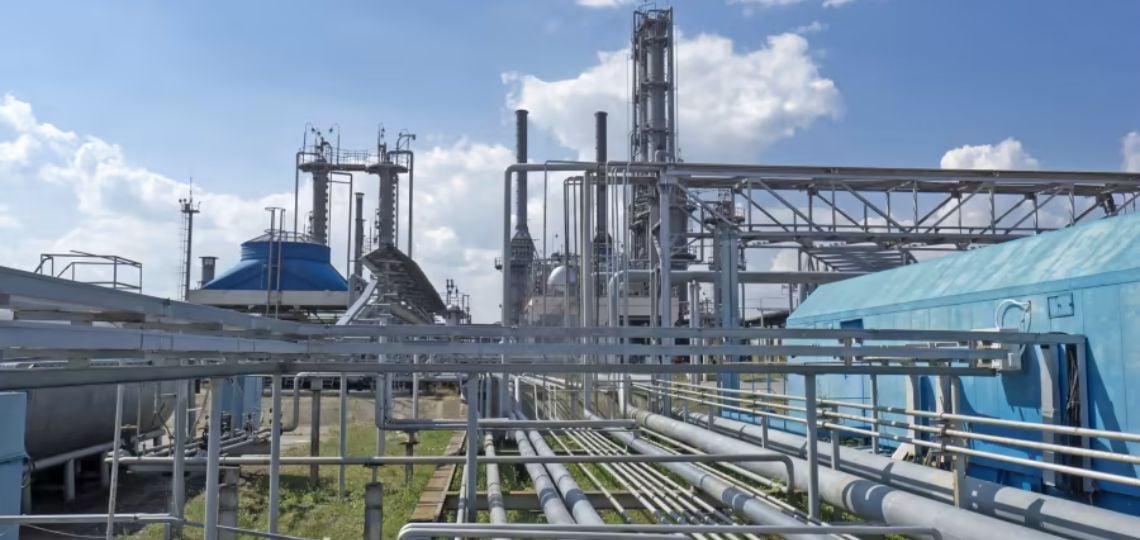
Iran deploys 12 contracts and plans 18 more to recover 300 MMcf/d, inject 200 MMcf/d into the network, and deliver 800,000 tons/year of LPG, with an announced reduction of 30,000 tons/day of emissions.
Botaş lines up a series of liquefied natural gas (LNG, liquefied natural gas) contracts that narrow the space for Russian and Iranian flows, as domestic production and import capacity strengthen its bargaining position.
—
The United States announces a tariff increase beyond the 10% base rate targeting several Colombian products. Bogotá has recalled its ambassador. The detailed list of tariff lines has not yet been published, while Colombia’s ban on coal exports to Israel remains in effect.
The decline in imports and the rise in refining in September reduced China’s crude surplus to its lowest in eight months, opening the way for tactical buying as Brent slips below 61 dollars.
Jordan can export electricity if three conditions align: fuel availability for its power plants, measurable system surplus, and a functional transit framework via Syria to Lebanon with clear metering and settlement rules.
The formal expiration of the 2015 nuclear deal with Iran comes as international sanctions have already been reinstated and diplomatic negotiations remain stalled.
Israeli company Prisma Photonics has raised $30mn in a funding round led by Protego Ventures to develop its artificial intelligence-based detection system for power grids and critical infrastructure.
Major global oil traders anticipate a continued decline in Brent prices, citing the fading geopolitical premium and rising supply, particularly from non-OPEC producers.
China imported an average of 11.5 million barrels of crude oil per day in September, supported by higher refining rates among both state-run and independent operators.
The US Treasury Department has imposed sanctions on more than 50 entities linked to Iranian oil exports, targeting Chinese refineries and vessels registered in Asia and Africa.
Import quotas exhaustion and falling demand push Chinese independent refineries to sharply reduce Iranian crude volumes, affecting supply levels and putting downward pressure on prices.
China has established a clandestine oil-for-projects barter system to circumvent US sanctions and support Iran’s embargoed economy, according to an exclusive Wall Street Journal investigation.
The new GeoMap tool identifies vast geothermal potential in the Middle East, notably for urban cooling, long-duration storage, and large-scale power generation.
The rapid escalation between Iran and Israel threatens the stability of world oil markets, with serious implications for maritime trade and energy security.
On the night of Wednesday April 10 to Thursday April 11, Russia launched a significant attack on Ukraine's energy installations, affecting several key regions.
The latest OPEC+ data show a slight rise in production in March, despite Saudi efforts to ensure strict compliance. S&P Global's analysis points to a potentially volatile market.
Former U.S. politicians urge tougher sanctions if Venezuela fails to live up to its democratic commitments, in the context of Venezuela's national elections.
The US Department of Energy suspends the planned purchase of 3 million barrels of oil for the Strategic Petroleum Reserve (SPR) in Louisiana, adjusting its strategy in the face of high crude prices.
Recent attacks on ships in the Red Sea by Houthi militants in Yemen have triggered a significant rise in oil prices, revealing the direct impact of geopolitical tensions on global energy markets.
Nuclear power is regaining popularity in the face of the climate crisis. However, a recent report highlights the limits of its expansion, dominated by China and Russia.
COP28 in Dubai marks a decisive turning point in the fight against climate change, with a focus on fossil fuels and the creation of a compensation fund.