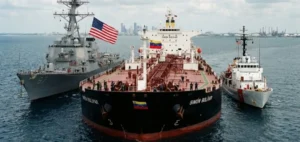
The Venezuelan national oil company has confirmed the continuity of its crude exports, as the United States enforces a maritime blockade targeting sanctioned vessels operating around the country.
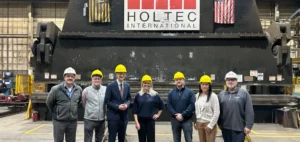
US-based Holtec has signed a memorandum of understanding with Hungary’s energy group MVM to assess the deployment of its SMR-300 technology, strengthening bilateral nuclear cooperation and opening prospects for a new market in Central Europe.
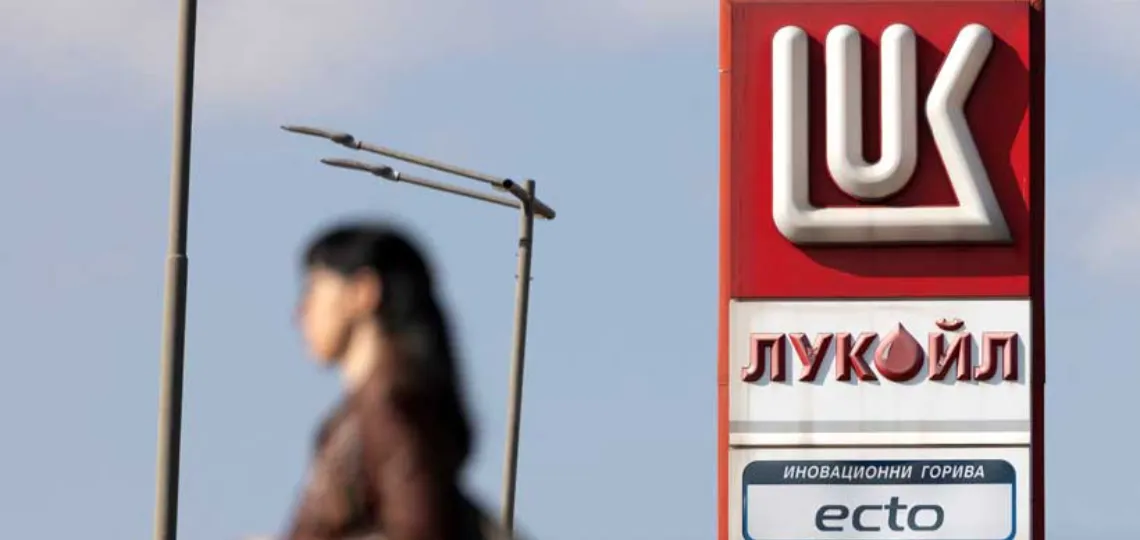
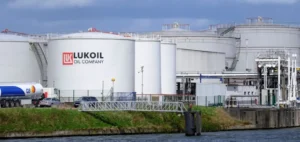
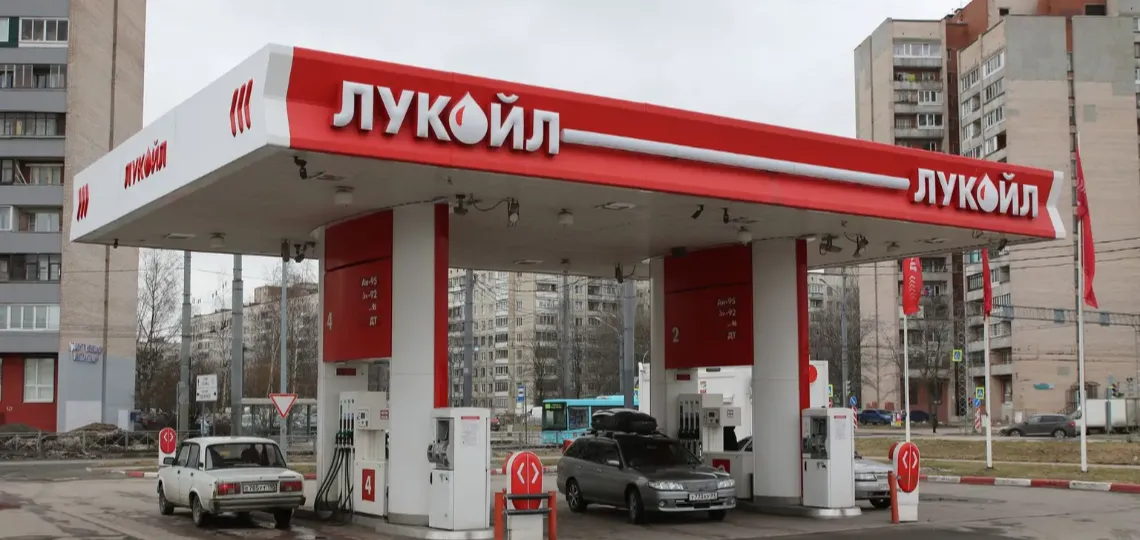
The Bulgarian government has increased security around Lukoil’s Burgas refinery ahead of a state-led takeover enabled by new legislation designed to circumvent international sanctions.
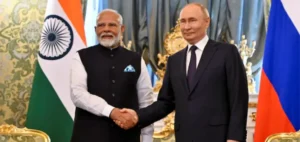
Russia and India are preparing an expanded agreement for the construction of VVER-1200 reactors and modular nuclear power plants, while accelerating work at the strategic Kudankulam site.
Appalachia, Permian and Haynesville each reach the scale of a national producer, anchor the United States’ exportable supply and set regional differentials, LNG arbitrage and compliance constraints across the chain, amid capacity ramp-ups and reinforced sanctions.
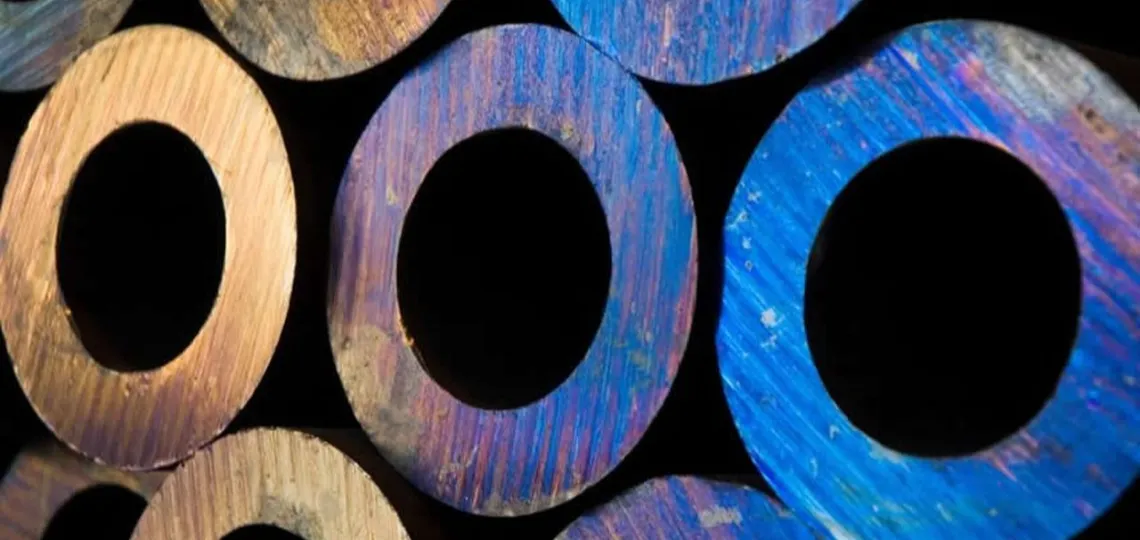
TotalEnergies has tasked Vallourec with supplying tubular solutions for drilling 48 wells as part of its integrated gas project in Iraq, reinforcing their ongoing industrial cooperation on the Ratawi field.
Faced with US sanctions targeting Lukoil, Bulgaria adopts emergency legislation allowing direct control over the Balkans’ largest refinery to secure its energy supply.
Swiss trader Gunvor has withdrawn its $22bn offer to acquire Lukoil’s international assets after the US Treasury announced it would block any related operating licence.
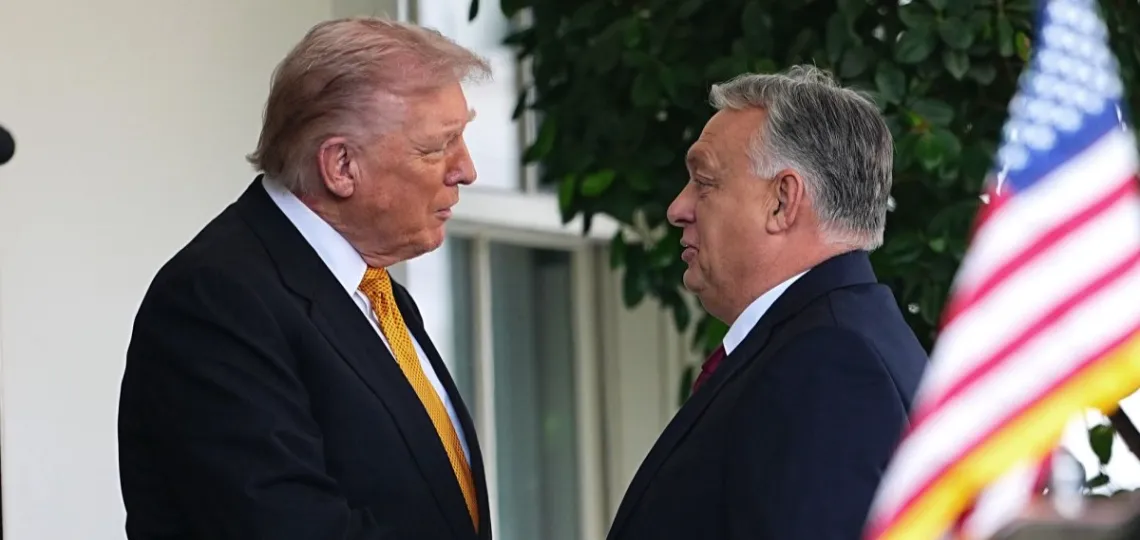
The United States grants Hungary a one-year waiver on sanctions targeting Russian oil, in return for a commitment to purchase US liquefied natural gas worth $600mn.
The International Atomic Energy Agency denounces the ongoing inspection blockage at several damaged Iranian nuclear facilities, where stocks of highly enriched uranium remain.
Commodities trader Gunvor confirmed that the assets acquired from Lukoil will not return under Russian control, despite potential sanction relief, amid growing regulatory pressure.
Sanctions imposed by the U.S. and the U.K. are paralyzing Lukoil's operations in Iraq, Finland, and Switzerland, putting its foreign businesses and local partners at risk.
Aramco reported a 2.3% decrease in its net profit for the third quarter, amid global economic uncertainties and an oversupply of oil, although its adjusted earnings showed a slight increase.
Iran deploys 12 contracts and plans 18 more to recover 300 MMcf/d, inject 200 MMcf/d into the network, and deliver 800,000 tons/year of LPG, with an announced reduction of 30,000 tons/day of emissions.
The gradual ban on Russian cargoes reshapes European flows, increases winter detours via the Northern Sea Route and shifts risk toward force majeure and “change of law,” despite rising global capacity.
—
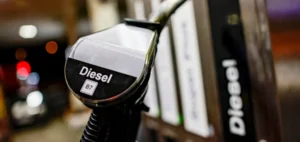
Sofia temporarily restricts diesel and jet fuel exports to safeguard domestic supply following US sanctions targeting Lukoil, the country’s leading oil operator.
Swiss trader Gunvor will acquire Lukoil’s African stakes as the Russian company retreats in response to new US sanctions targeting its overseas operations.
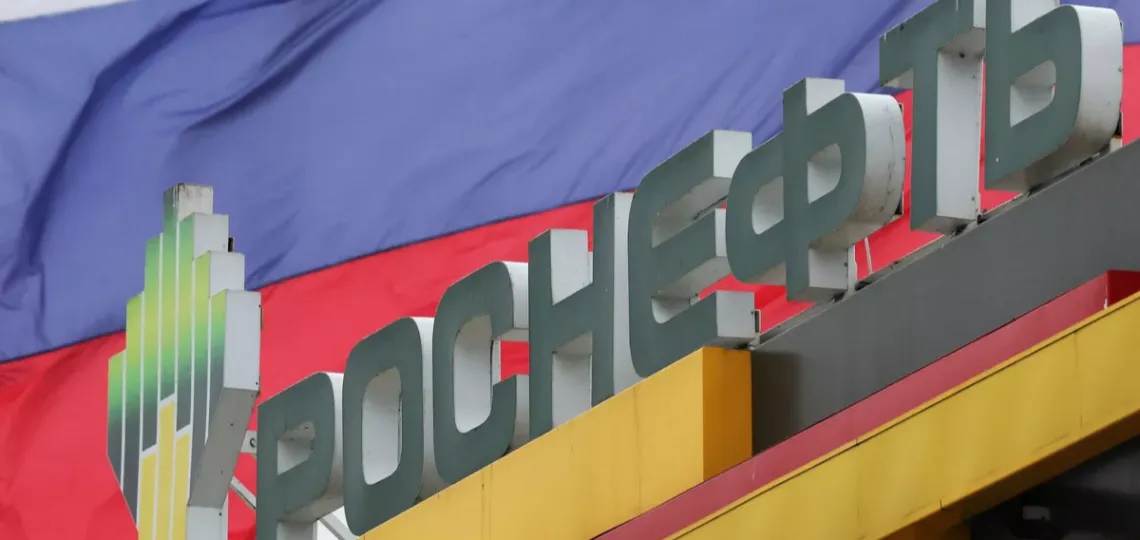
The United States has issued a general license allowing transactions with two German subsidiaries of Rosneft, giving Berlin until April 2026 to resolve their ownership status.
Excelerate Energy has signed a definitive agreement with Iraq’s Ministry of Electricity to develop a floating liquefied natural gas import terminal at Khor Al Zubair, with a projected investment of $450 mn.
Botaş lines up a series of liquefied natural gas (LNG, liquefied natural gas) contracts that narrow the space for Russian and Iranian flows, as domestic production and import capacity strengthen its bargaining position.
—
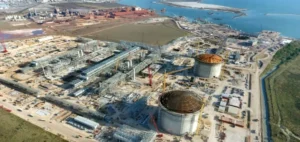
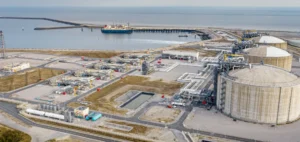
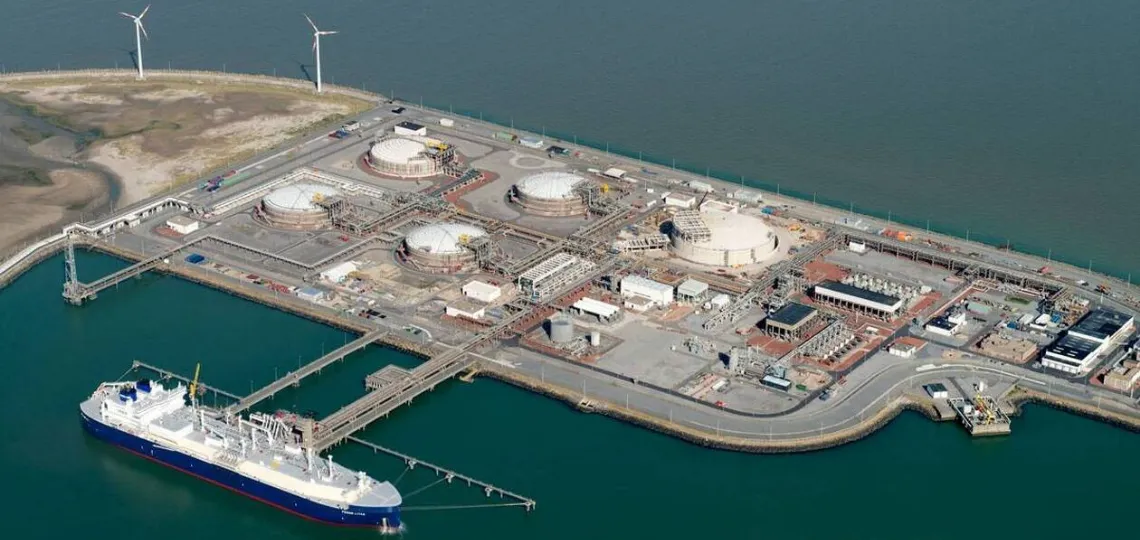
The Dunkirk LNG terminal, the second largest in continental Europe, is seeing reduced capacity due to a nationwide strike disrupting all French LNG infrastructure.
The Russian government has extended the ban on gasoline and diesel exports, including fuels traded on the exchange, to preserve domestic market stability through the end of next year.
The Vice-Chairman of Russia’s Security Council believes more countries will develop nuclear weapons and generative AI technologies as a result of increasing public sector efforts.
Russia’s liquefied natural gas output will increase steadily through 2027 under the national energy development plan, despite a 6% drop recorded in the first eight months of 2024.
The European ban on Russian liquefied natural gas from 2027 is pushing Siberian producers to reorient their flows to Asia, despite logistical and regulatory constraints.
The International Atomic Energy Agency says known natural uranium reserves will meet global nuclear power plant demand for the rest of the century, despite price pressures.
Russia projects a 12.5% contraction in oil and gas revenues in 2025, before a gradual recovery through 2028, according to official economic projections.
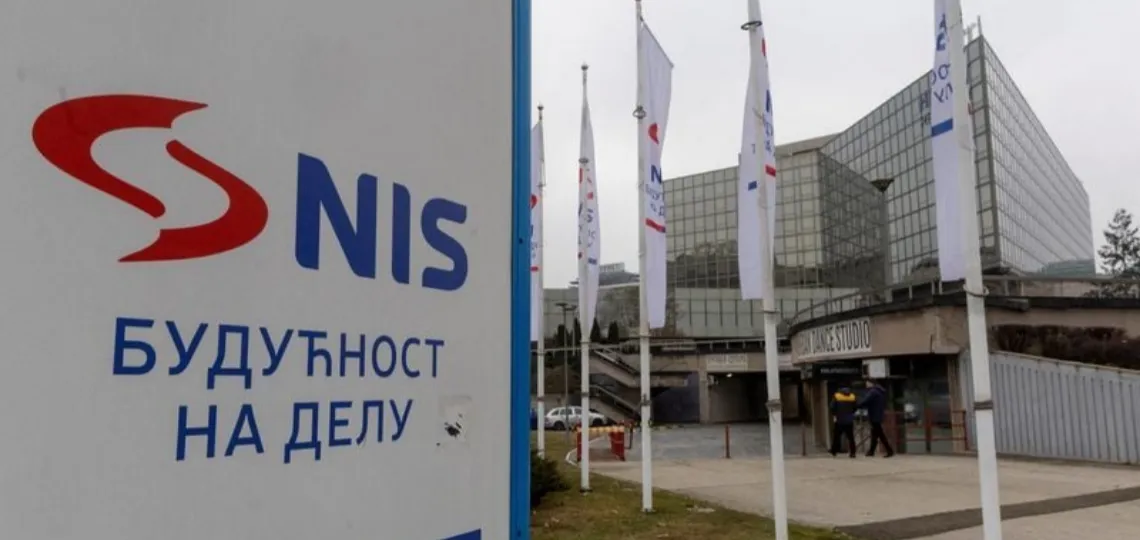
US sanctions against Serbian oil company NIS, owned by Gazprom, were delayed by eight days after talks between Belgrade and Washington, President Aleksandar Vucic said.
ShaMaran and several international oil companies have reached a provisional deal with Baghdad and Erbil to resume crude exports from the Kurdistan region via pipeline, after months of suspension.
The number of active drilling rigs in the United States rose for the fourth consecutive week, supported by higher crude prices and OPEC+’s difficulties in meeting production targets.
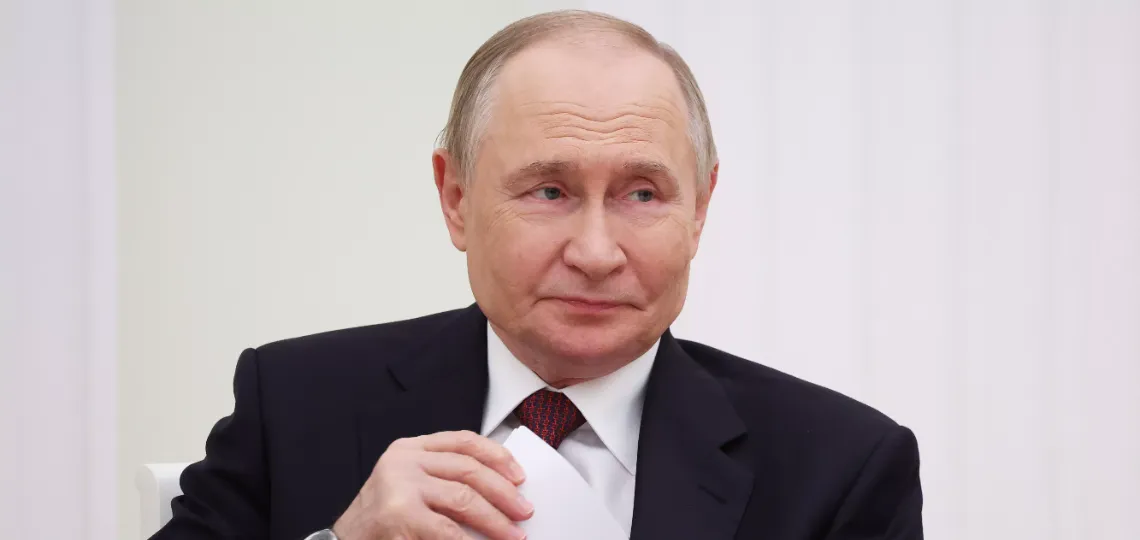
At World Atomic Week in Moscow, the Russian president advocated for a reform of civil nuclear funding mechanisms, urging stronger involvement from multilateral financial institutions.
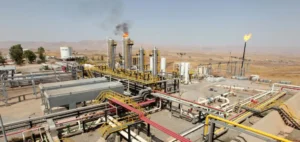
Baghdad has restarted crude shipments from Kurdistan via the pipeline to Turkey, following a two-year halt linked to legal and contractual disputes involving international firms operating in the region.
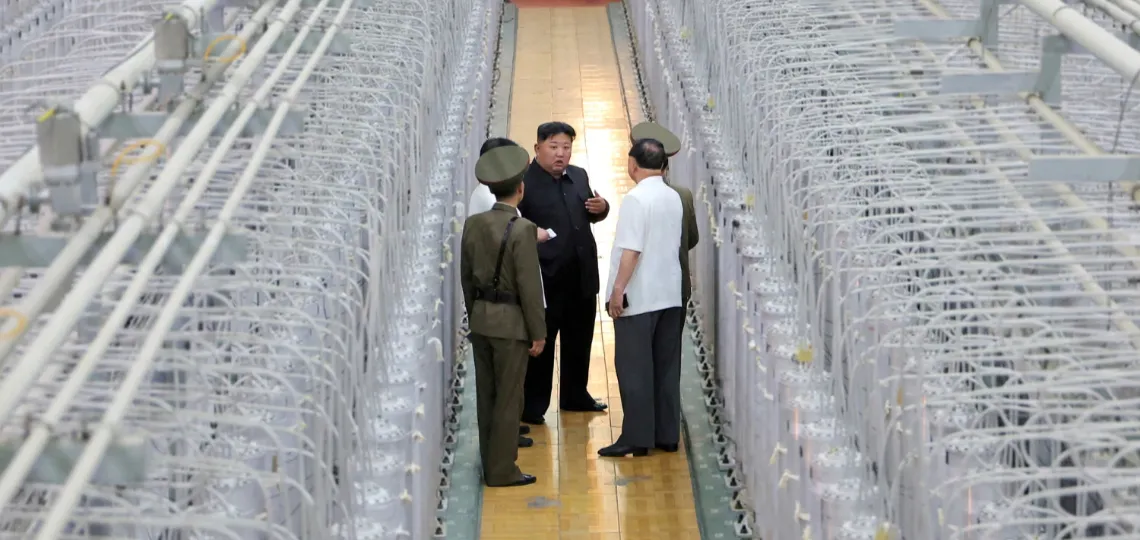
Seoul estimates Pyongyang holds enough highly enriched uranium to produce up to 50 atomic bombs, reigniting concerns over its growing nuclear arsenal despite international sanctions.
Iran has less than two days to avoid the reinstatement of United Nations sanctions, as Europeans and the United States deem its nuclear commitments insufficient.
A technical dispute between Hungarian group MOL and Croatian operator Janaf raises doubts about the Adriatic pipeline's ability to supply oil to Hungary and Slovakia.
The European Commission is considering targeted tariffs on Russian oil imports still allowed in Hungary and Slovakia, in an effort to bypass existing exemptions.
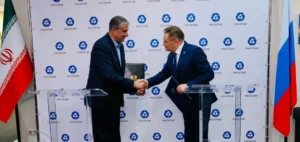
Iran and Russia have signed a memorandum of understanding for the design and construction of small modular nuclear reactors, strengthening their cooperation in the field of civilian nuclear energy.