Lhyfe aims to double its revenue next year, refocuses industrial priorities and plans a 30% cost reduction starting in 2026 to accelerate profitability.
The government confirms the continuation of the high-voltage line construction to Fos-Berre, despite criticism from the public debate and local tensions regarding environmental and economic impacts.
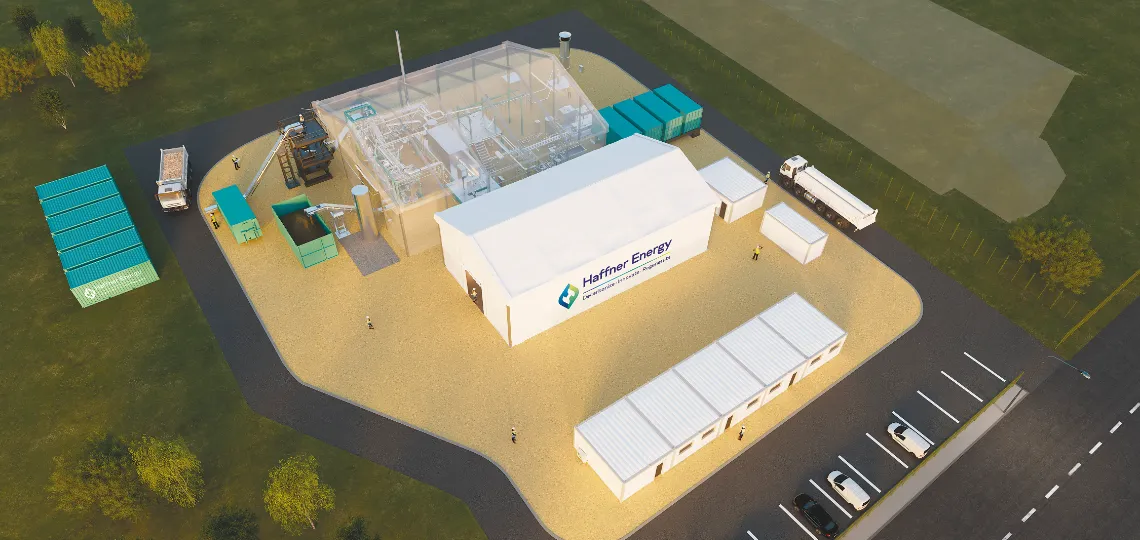
Mundi Énergies partners with Haffner Energy to create a network of twenty multi-energy hubs in Quebec, using residual biomass to produce renewable gas and strengthen Canada’s energy independence.
French nuclear reactor developer Newcleo has submitted its lead-cooled small modular reactor design to Euratom, initiating the first regulatory phase to integrate nuclear non-proliferation safeguards at the European level.
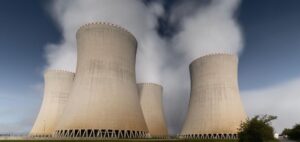
French state utility EDF has increased the maximum estimated cost for building six new nuclear reactors to €72.8 billion ($85.29 billion), representing a 40% rise over the original figure.
The government has postponed the release of the new Multiannual Energy Programme to early 2026, delayed by political tensions over the balance between nuclear and renewables.
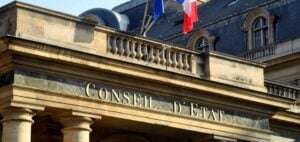
The Council of State has cancelled the authorisation to exploit coalbed methane in Lorraine, citing risks to the region's main aquifer and bringing an end to a legal battle that began over a decade ago.
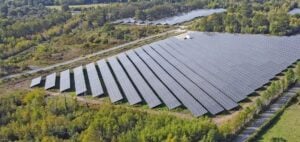
Technique Solaire has secured €40mn ($43.5mn) in junior debt from BNP Paribas Asset Management to structure two solar portfolios totalling 392 MWp across France, Spain and the Netherlands.
Independent power producer Neoen has secured six agrivoltaic projects totalling 124 MWp, reinforcing its position as the leading winner in French solar tenders since 2021.
As the photovoltaic industry enters a phase of deep restructuring, the duel between TOPCon 4.0 and heterojunction technologies is redefining manufacturers’ margins. In 2026, reducing production costs becomes the primary strategic lever for global market leaders.
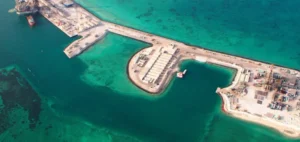
Abu Dhabi’s national oil company has secured a landmark structured financing to accelerate the development of the Hail and Ghasha gas project, while maintaining strategic control over its infrastructure.
The Paris Council awards a €15bn, 25-year contract to Dalkia, a subsidiary of EDF, to operate the capital’s heating network, replacing long-time operator Engie amid political tensions ahead of municipal elections.
Jabil and Inno will co-develop a 15,000 sqm plant in Rayong, Thailand, to manufacture metal enclosures for battery energy storage systems, aiming to enhance vertical integration and secure supply chains.
Faced with shorter approval timelines, several European nuclear firms, including Newcleo, Orano and Urenco, are considering relocating key industrial investments to the United States.
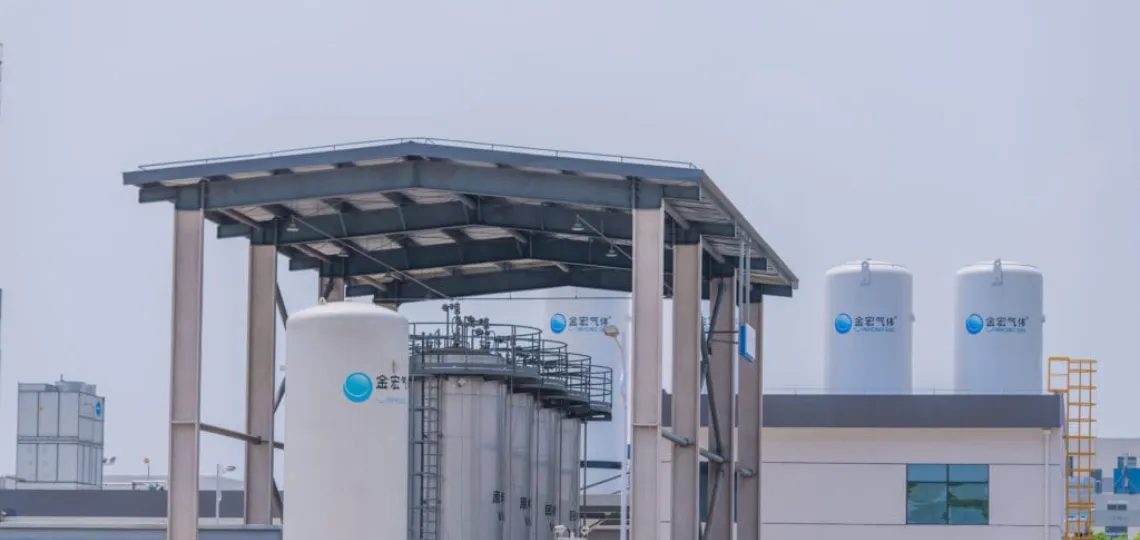
Chinese group Jinhong Gas finalises a new industrial investment in Spain, marking its first European establishment and strengthening its global strategy in the industrial gas sector.
TotalEnergies has tasked Vallourec with supplying tubular solutions for drilling 48 wells as part of its integrated gas project in Iraq, reinforcing their ongoing industrial cooperation on the Ratawi field.
Framatome will produce TRISO fuel at Romans-sur-Isère as part of a pilot project for advanced nuclear reactors, in partnership with actors such as Blue Capsule Technology.
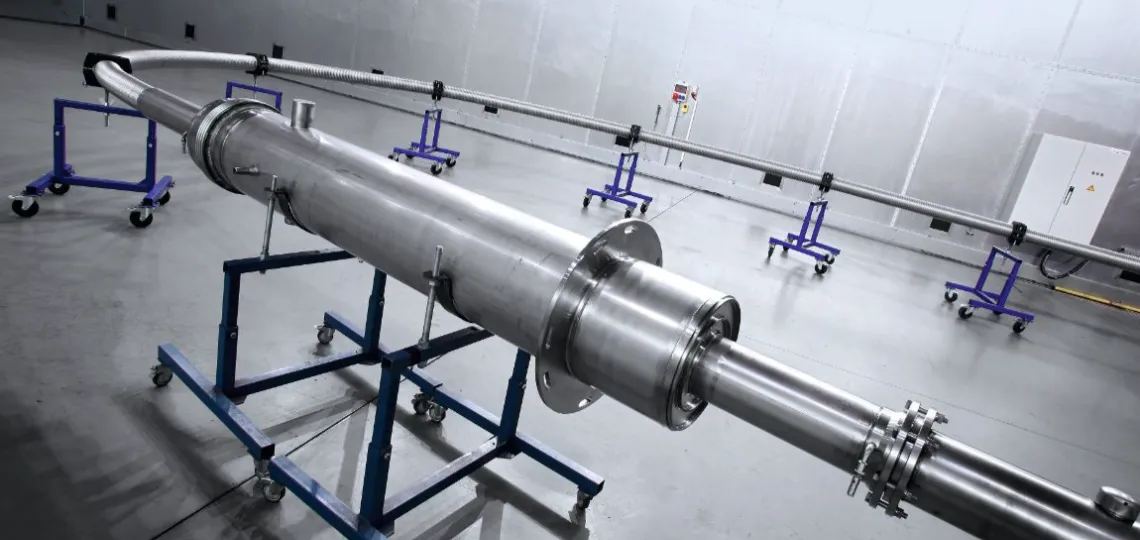
The consortium brings together Air Liquide, RTE, Nexans, ITP Interpipe and CentraleSupélec to develop a demonstrator for offshore electricity transport using superconducting cables cooled with liquid nitrogen.
French start-up Wind fisher unveils a pioneering airborne wind system capable of producing twice as much electricity as a ground-based turbine by tapping into powerful winds above 300 metres.
AFPG and Enerplan join forces to promote the coupling of solar thermal and geothermal energy in France.
This initiative aims to optimize the use of renewable energies, thereby reinforcing the energy transition and national energy sovereignty.
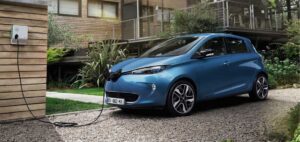
Electric mobility in France is progressing, supported by Enedis studies on recharging behavior.
Despite high user satisfaction, challenges remain, notably vehicle autonomy and the optimization of charging infrastructures.
Germany is stepping up its efforts to secure raw materials in Central Asia, in particular with Uzbekistan, against a complex geopolitical backdrop.
This strategy aims to diversify its energy supplies while addressing issues of human rights and transparency.
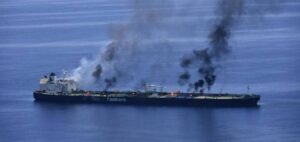
The towing of the MV Sounion oil tanker in the Red Sea has raised major concerns about the environment and maritime safety.
The geopolitical tensions exacerbated by this crisis highlight the urgent need for international cooperation to prevent future disasters.
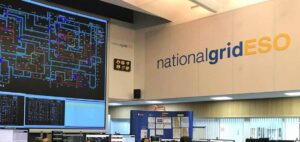
The British government is nationalizing the electricity grid operator, ESO, to strengthen its energy transition.
With an investment of £630 million, this initiative aims to integrate renewable energies and reduce dependence on fossil fuels.
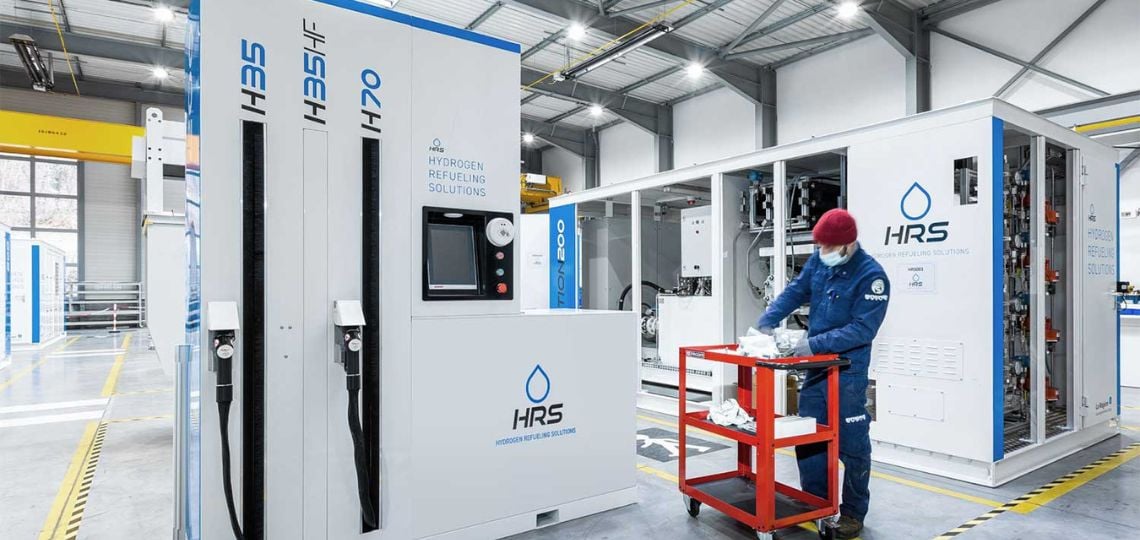
HRS signs an agreement for the delivery and installation of a hydrogen station in Italy.
This project is part of the national strategy for the deployment of hydrogen mobility infrastructures.
Projections by gas industry players in France anticipate a 30% reduction in gas consumption by 2035, with a marked increase in renewable gas to meet European climate targets.
The Syndicat des énergies renouvelables (SER) is lobbying for a ministry dedicated to energy and climate policy in Michel Barnier's future government, in order to structure an effective strategy for France.
Faced with Western sanctions, Russia could limit its exports of strategic metals such as uranium, titanium and nickel, directly impacting global markets and supply chains.
Serbia, still dependent on coal, is exploring a return to civil nuclear power, with consultations underway and a cooperation agreement signed with France.
The European Union is warning that France is lagging behind in terms of renewable energies, and insisting on greater efforts to meet the common energy targets set for 2030.
Small seasonal variations on the European natural gas market in 2025 will make inventory management more complex, and may require adjustment measures to meet regulatory fill targets.
The French Energy Regulatory Commission (CRE) has postponed the increase in the tariff for the use of public electricity networks (TURPE) until February 1, 2025, with the aim of reducing regulated electricity sales tariffs (TRVE) by 10%.
The Commission nationale du débat public (National Commission for Public Debate) is launching a consultation on the construction of two EPR reactors at Gravelines, a strategic project for the French energy mix.
Electricity producers in France are anticipating the return of the tax on the capacity of large power plants.
This measure, left in abeyance by the outgoing government, could weigh heavily on players in the sector.
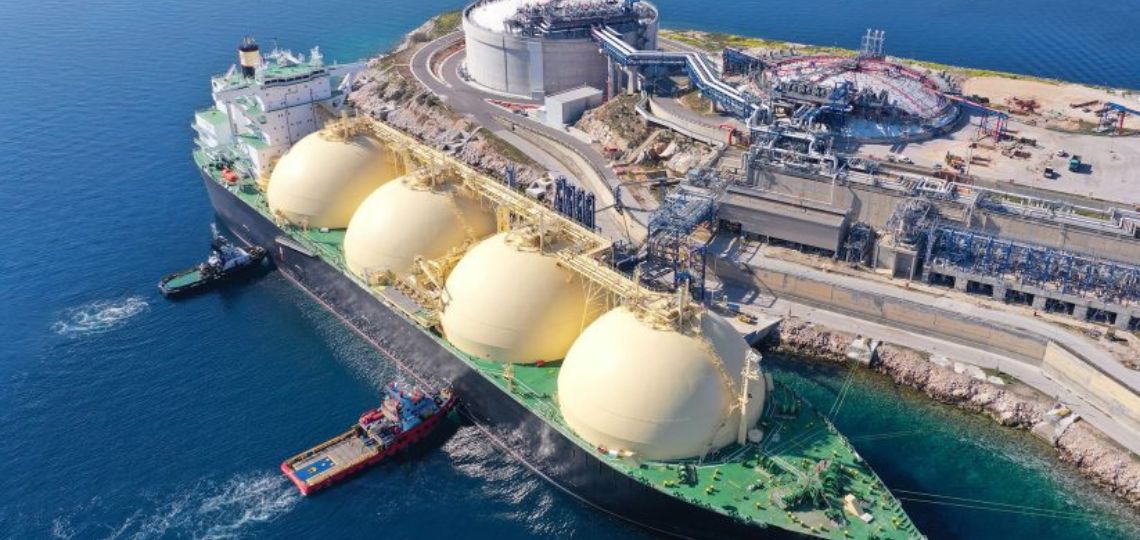
Spot prices for liquefied natural gas in Europe are in difficulty compared with long-term oil-indexed contracts, due to persistently low crude oil prices and winter uncertainties.
CEZ, the Czech energy group, will choose a partner by the end of the year to install up to ten modular nuclear reactors (SMRs), reinforcing its energy diversification strategy.
Teresa Ribera, Spain's Minister of Ecology, could influence the European Commission's future energy policy.
Her anti-nuclear, pro-renewable energy approach is provoking debate within the Union.