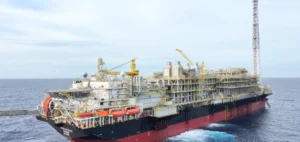
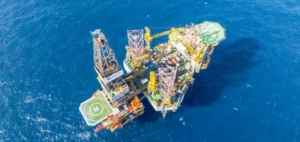
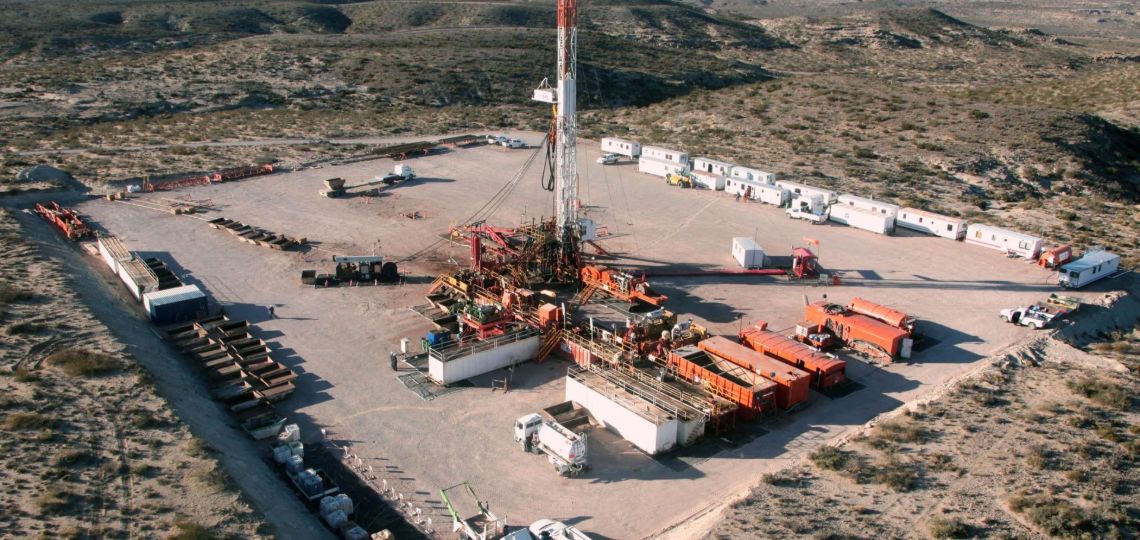
Global crude oil production is expected to rise by 0.8 million barrels per day in 2026, with Brazil, Guyana and Argentina contributing 50% of the projected increase.
Harbour Energy acquires US offshore operator LLOG for $3.2bn, adding 271 million barrels in reserves and establishing a fifth operational hub in the Gulf of Mexico.
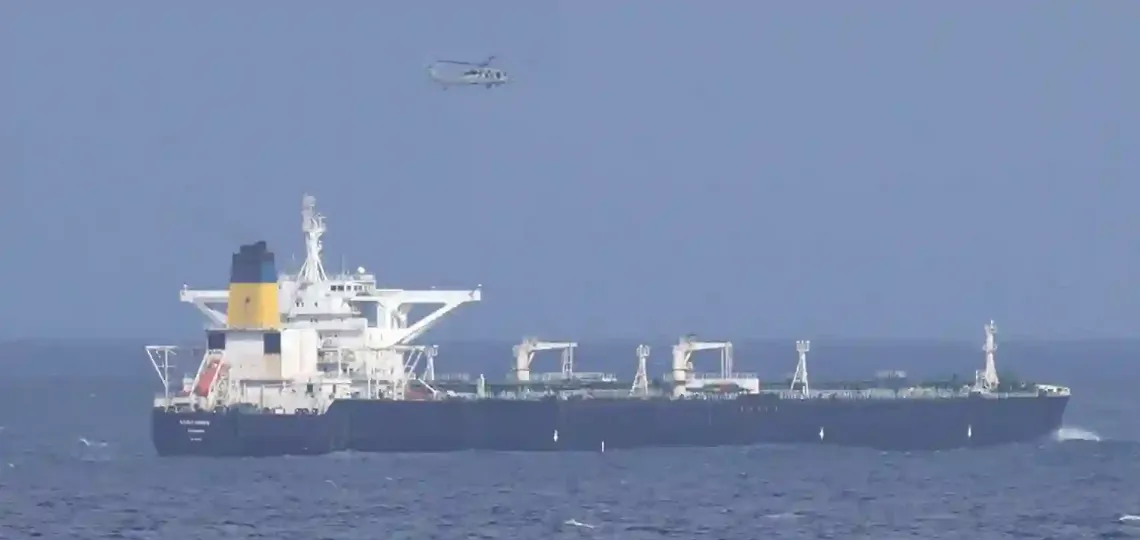
US authorities intercepted a second oil tanker carrying Venezuelan crude, escalating pressure on Caracas amid accusations of trafficking and tensions over sanctioned oil exports.
The Bolivian government eliminates subsidies on petrol and diesel, ending a system in place for twenty years amid budgetary pressure and dwindling foreign currency reserves.
Argentina increased regulated prices for ethanol and biodiesel used in mandatory blending, directly impacting the local industry and domestic fuel market.
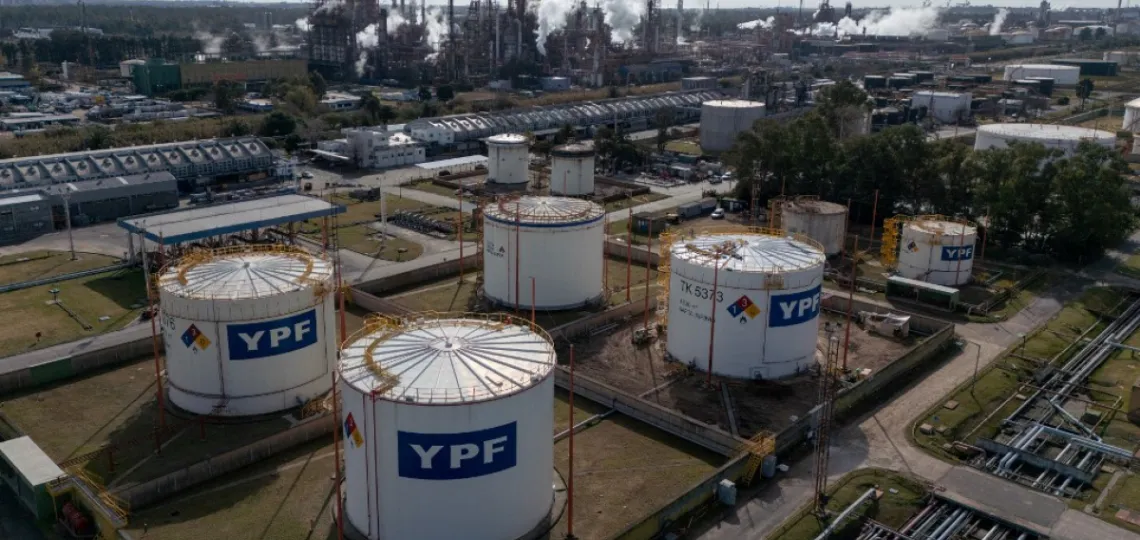
Argentina seeks to overturn a U.S. court ruling ordering it to pay $16.1bn to two YPF shareholders after the 2012 partial expropriation of the oil group.
Facing a persistent fuel shortage and depleted foreign reserves, the Bolivian parliament has passed an exceptional law allowing private actors to import gasoline, diesel and LPG tax-free for three months.
With a $14mn investment, Enap progresses on the construction of its first green hydrogen plant, expected to be operational in early 2026 in the Magallanes region of southern Chile.
The president-elect outlines a pro-market agenda: gradual reform of fuel subsidies, review of Yacimientos de Litio Bolivianos (YLB) lithium contracts, and monetization of gas transit between Argentina and Brazil, prioritizing supply stabilization.
A report reveals the economic impact of renewable energy losses in Chile, indicating that a 1% drop in curtailments could generate $15mn in annual savings.
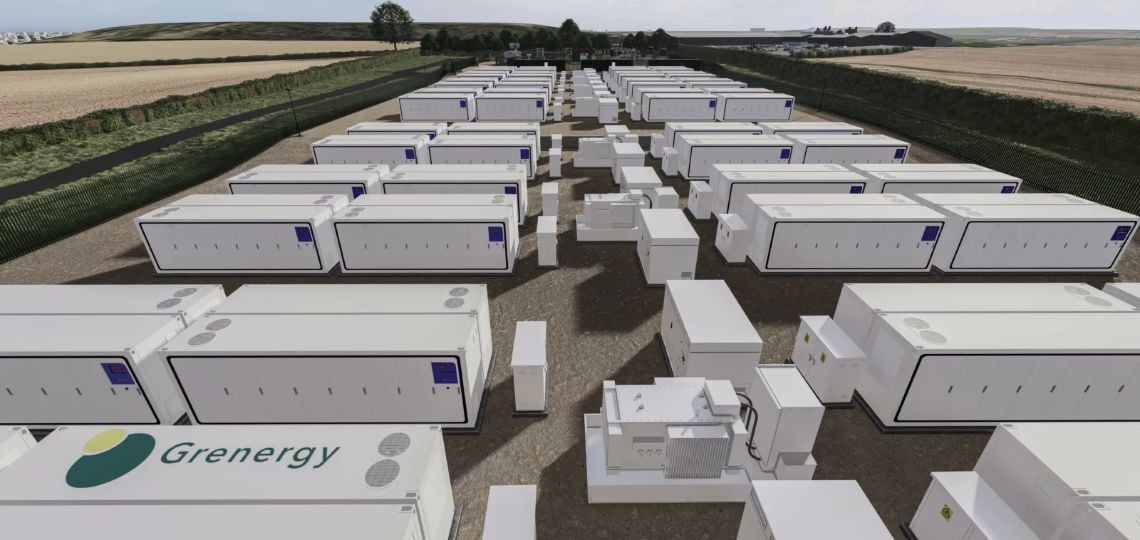
Grenergy reported €86mn in EBITDA in the first half of 2025 and raised its investments to €421mn, supported by increased energy sales and major storage operations.
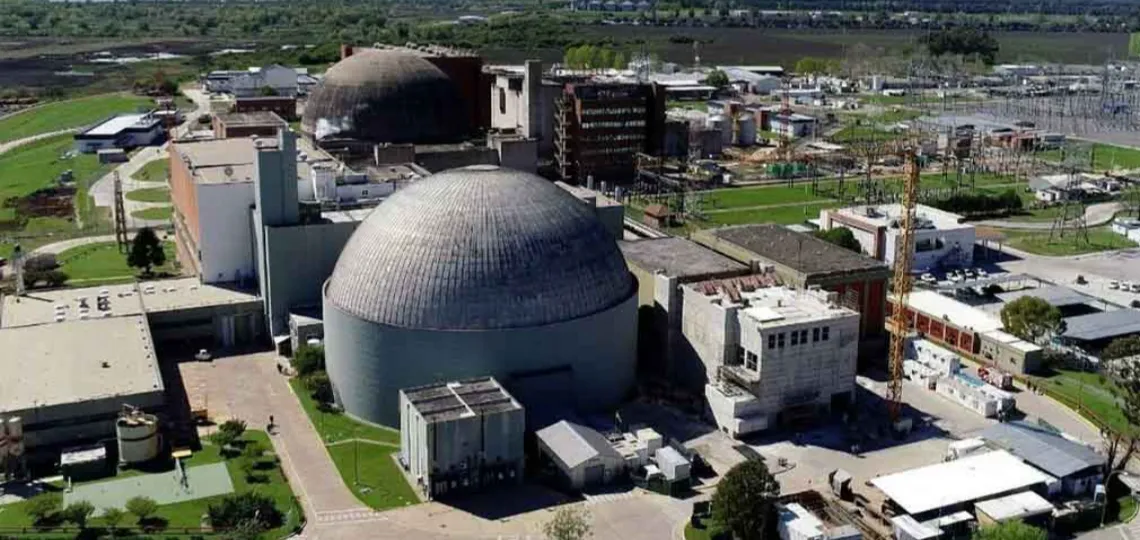
The Argentine government launches a national and international tender to sell 44% of Nucleo Electrica SA, continuing its policy of economic withdrawal through capital markets.
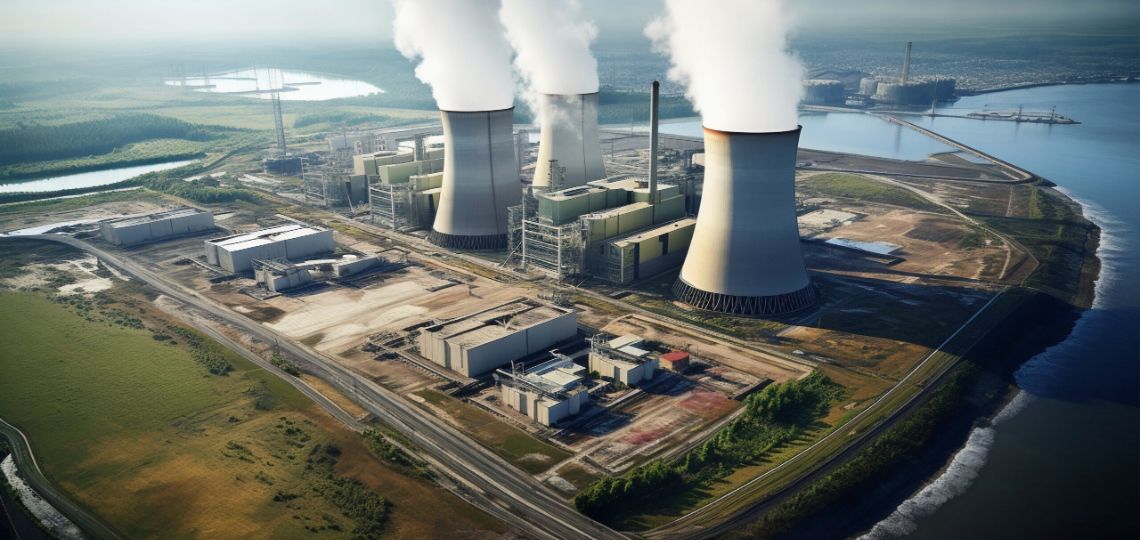
Terra Innovatum has signed a memorandum of understanding with Conuar for the supply of key components for the industrial production of its SOLO micro-modular reactor, marking a strategic move into the South American market.
Argentina aims to boost gas sales to Brazil by 2030, but high transit fees imposed by Bolivia require significant public investment to secure alternative routes.
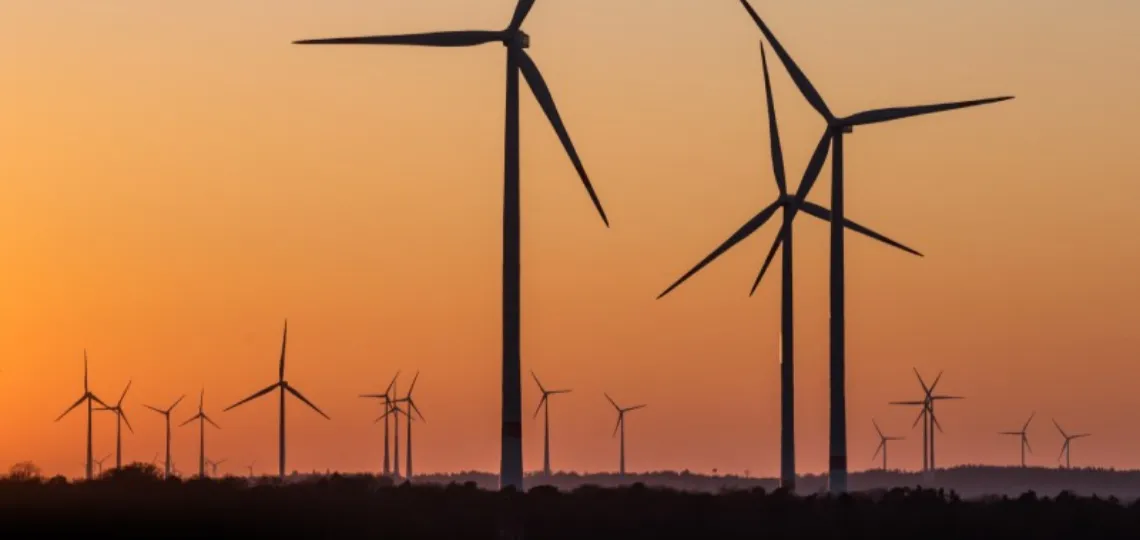
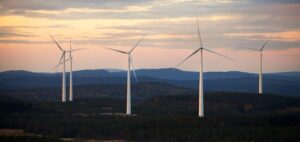
With 816 MW of capacity and 140 turbines, Colbún’s Horizonte wind farm launched its commercial phase in early September after a gradual deployment over several months.
Chilean power producer Colbún has completed its cash tender offer for 3.950% notes due 2027, repurchasing more than half of the outstanding amount for a total of $266mn.
Led by Chile and dominated by utility-scale projects, Latin America's energy storage market is projected to grow at an average annual rate of 8 % through 2034.
The announced merger between Anglo American and Teck forms Anglo Teck, a new copper-focused leader structured for growth, with a no-premium share structure and a $4.5bn special dividend.
Grenergy has secured $270mn in non-recourse financing to install 3.5 GWh of batteries in Phase 6 of the Oasis de Atacama project, marking a major step in expanding its energy storage capacity in Chile.
Grenergy has finalised the sale of the fourth phase of its hybrid solar-storage project in Chile to CVC DIF, valued at up to $475mn, while retaining operation and maintenance for five years.
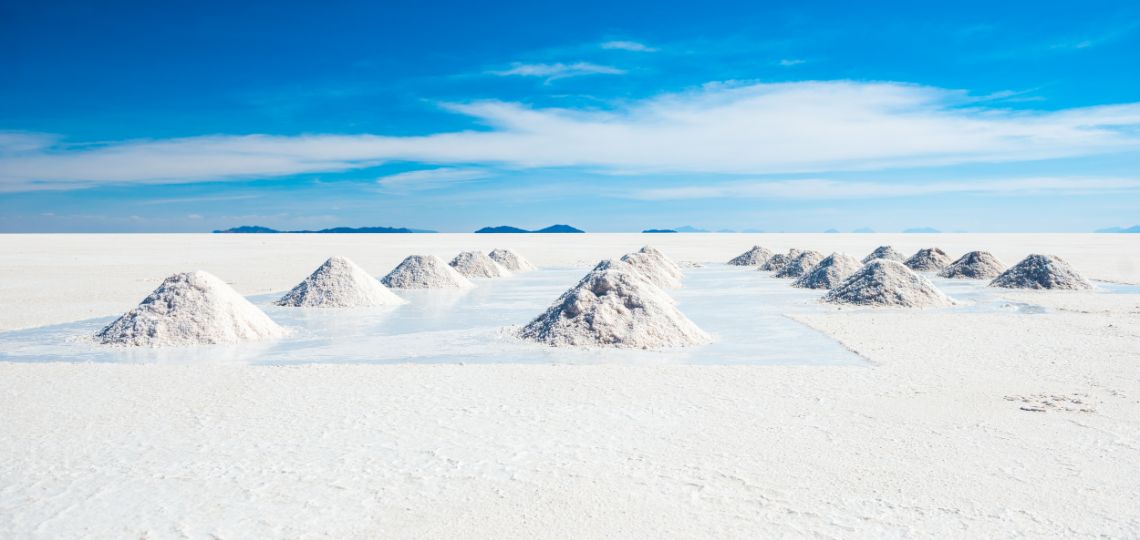
Germany and Serbia join forces to exploit Europe’s largest lithium reserves. A key challenge for the European automotive industry amid its transition to electric vehicles.
The EU-Mercosur agreement promises strategic access to critical resources for green energy. However, it raises concerns about deforestation and pressures on biodiversity, potentially compromising Europe’s climate commitments.
Grenergy is turning to Germany and the United States for its energy storage projects in response to the growing needs of data centers and complex energy markets.
Former Bolivian President Gonzalo Sanchez de Lozada, found guilty of economic misconduct, has been sentenced to six years in prison for signing oil contracts without parliamentary approval. This ruling marks a historic legal milestone in Bolivia.
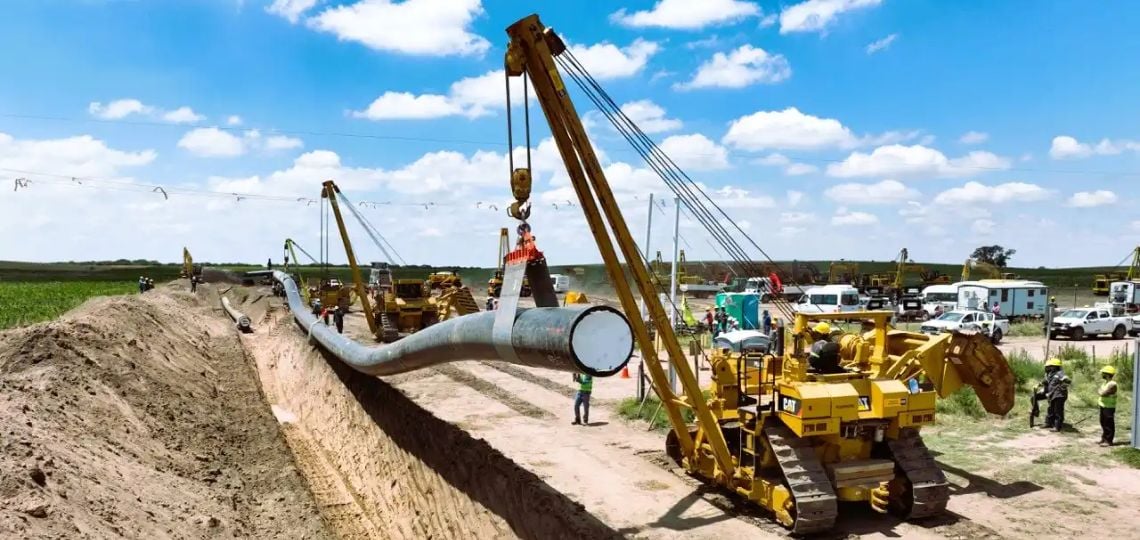
Argentina plans an auction to increase gas transportation capacity from Vaca Muerta. This $700 million project aims to reduce costly energy imports during winter.
Brazil turns to Argentina to diversify its energy sources. A new transit agreement with Bolivia paves the way for gas imports from the Vaca Muerta basin, strengthening the country’s energy security.
The Colombian group Ecopetrol announces a historic investment for 2025, aiming to strengthen oil production, accelerate the energy transition, and improve infrastructure while pursuing its sustainability goals.
A major contract has been signed between Bolivia and Hong Kong CBC Investment for the construction of two lithium carbonate plants, strengthening the country's strategic position in the renewable energy sector.
Statkraft marks a milestone by inaugurating three wind farms in the O'Higgins Region of Chile. This project, with a capacity exceeding 100 MW, symbolizes the renewable energy giant's growing commitment to South America.
Pemex’s 2025 budget, reduced by 7.5%, jeopardizes its production targets and increases Mexico’s risk of crude oil imports due to insufficient investments in oil resource exploitation.
Emmanuel Macron and Gabriel Boric launch the “Call of Valparaíso,” a joint initiative to protect marine ecosystems, combat plastic pollution, and promote an international agreement on marine biodiversity.
Vaca Muerta, one of the world’s largest shale gas reserves, places Argentina at a major strategic crossroads. Yet, with limited infrastructure, economic challenges, and energy diplomacy complexities, its export ambitions face significant hurdles.
The Brazilian oil giant Petrobras is considering a return to Argentina, drawn by the potential of Vaca Muerta and a new energy cooperation agreement between the two nations.
At COP29, six countries joined an ambitious declaration to triple global nuclear capacity by 2050, bringing the number of signatories to 31, backed by major financial institutions.
In Germany, Vulcan Energy inaugurates a unique refining plant using geothermal energy to produce low-carbon lithium, a key step towards European independence in critical metals and energy storage.
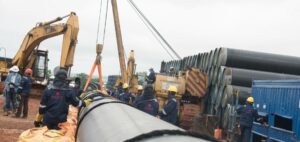
The new Northern Natural Gas Pipeline connects shale gas resources from Neuquén to northern Argentina, aiming to reduce imports and open up export opportunities.
Ecopetrol S.A. makes an early repayment of USD 500 million on an international loan, strengthening its financial position and reducing long-term interest expenses.
Copenhagen Infrastructure Partners has made a final investment decision for a 1,100 MWh energy storage system in Chile, marking a major advancement in the country’s renewable energy sector.