China surpasses 26% wind and solar electricity share in April, setting new record
In April, China generated 26% of its electricity from wind and solar, according to Ember, marking a historic first that reflects a rapid rebalancing of its energy mix.
| Sectors | Solar Energy, Wind Energy, Photovoltaic, Onshore |
|---|---|
| Themes | Markets & Finance, Sector Analysis |
| Companies | Ember |
| Countries | China |
China reached a new milestone in the composition of its electricity production, with 26% of its power generated from wind and solar in April, according to data published by international energy think tank Ember on May 22. This marks a monthly record, exceeding the 23.7% recorded in March. The increase occurred during a period typically characterised by favourable weather conditions for renewable generation and moderate energy demand.
Accelerated solar expansion
Both sources recorded individual highs: wind accounted for 13.6% of generation, while solar reached 12.4%. Solar’s rise is part of a long-term trend. Its share in the power mix has tripled in five years, rising from 4.1% in April 2020 to its current level. In 2024, China installed more solar capacity than the rest of the world combined, according to Ember.
In the first quarter of 2025, solar installations continued at a strong pace, reaching 72 gigawatts (GW), an 18% increase compared to the same period in 2024. This momentum has contributed to both a higher share and greater absolute generation of solar power within the Chinese electricity system.
Record monthly solar generation
In terms of output, solar generation reached 96 terawatt-hours (TWh) in April, a national record exceeding the previous 89 TWh set in August 2024. Ember forecasts that this figure could be surpassed again during the summer, as seasonal conditions continue to support photovoltaic production.
This rapid growth in renewables is altering the structure of the energy system. Over the first four months of 2025, generation from fossil fuels declined by 72 TWh, a 3.6% drop compared to the previous year. Ember assesses that this shift reflects emerging structural changes in the country’s energy mix.
Renewable capacity and systemic constraints
With overall demand increasing, the expansion of wind and solar capacity is enabling China to meet most new electricity needs. Ember notes that the foundations are now in place for renewable energy sources to absorb all future demand growth.
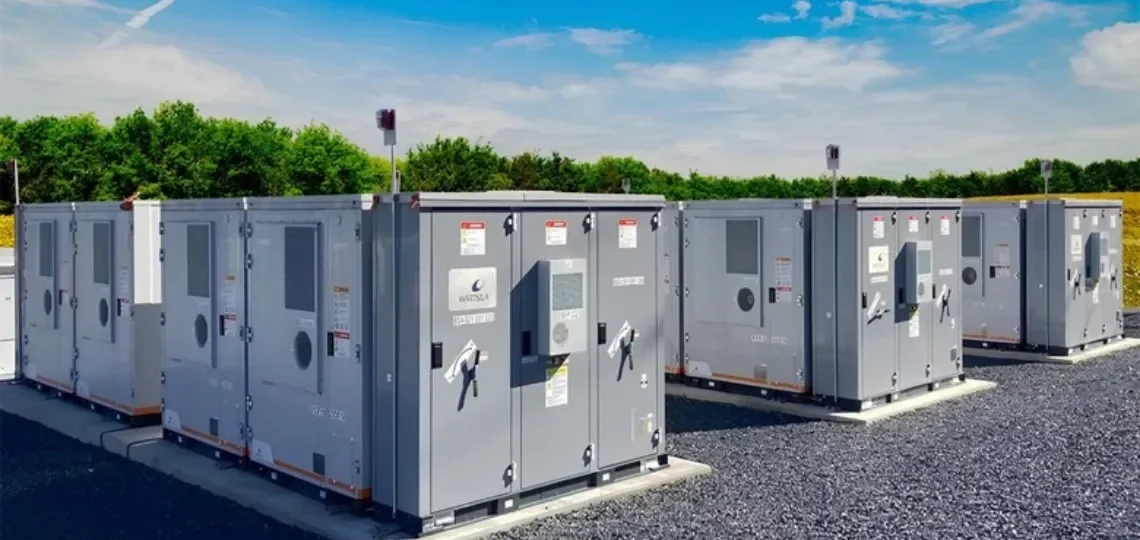
However, continuing on this path will require the implementation of additional systemic levers. The report published on May 22 highlights the need to strengthen smart grids, develop energy storage solutions, and advance the electrification of industrial sectors. These developments will determine China’s ability to sustain its current trajectory in the transformation of its energy portfolio.