Canada Faces Climate Challenges: Hydropower Under Pressure
Climate change weakens Canadian hydropower, a key energy source, with prolonged droughts and sudden floods threatening infrastructure and production, experts and recent reports warn.
| Sectors | Marine & Hydraulic Energy, Hydroelectricity |
|---|---|
| Themes | Risks & Events, ESG & Society |
| Companies | AIE, Hydro-Québec |
| Countries | China, Türkiye, United States |
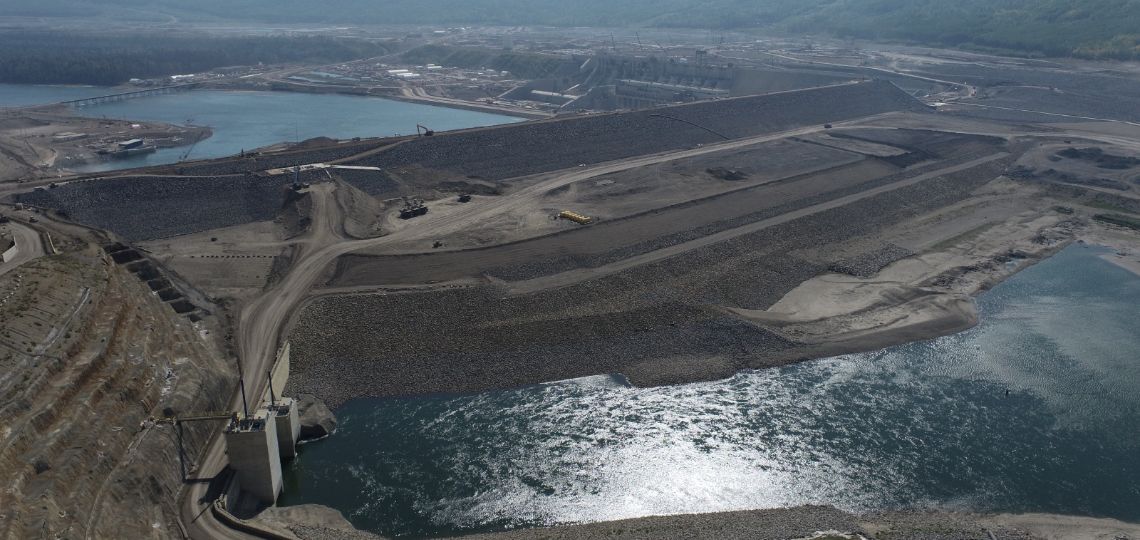
Canadian hydropower production, essential for domestic energy and exports to the United States, is facing a critical period. With over 60% of the nation’s energy sourced from hydropower, the impacts of climate change present unprecedented challenges for this energy pillar.
In recent years, key producing provinces – Quebec, British Columbia, and Manitoba – have experienced a significant decrease in precipitation, leading to drastic declines in reservoir levels. Hydro-Québec, a major public-sector company, reported a 30% drop in profits for the first nine months of 2024, according to official data. This situation has reduced energy exports to their lowest level in 14 years. For the first time in eight years, Canada even had to import energy from the United States for three consecutive months at the start of the year.
A Disrupted Hydrological Cycle
Experts also highlight another alarming phenomenon: the increase in sudden floods. Previously rare, these events are becoming more frequent and intense, radically transforming the hydrological cycle. Philippe Gachon, professor of hydroclimatology at the University of Quebec in Montreal (UQAM), explains that water volumes and precipitation now exceed all original forecasts upon which hydropower infrastructure was built.
These disruptions are not unique to Canada. The International Energy Agency (IEA) reported a global decline in hydropower production in 2023, marking a record global decline. Other major producers, such as China, Turkey, and the United States, have also been affected.
Infrastructures Under Stress
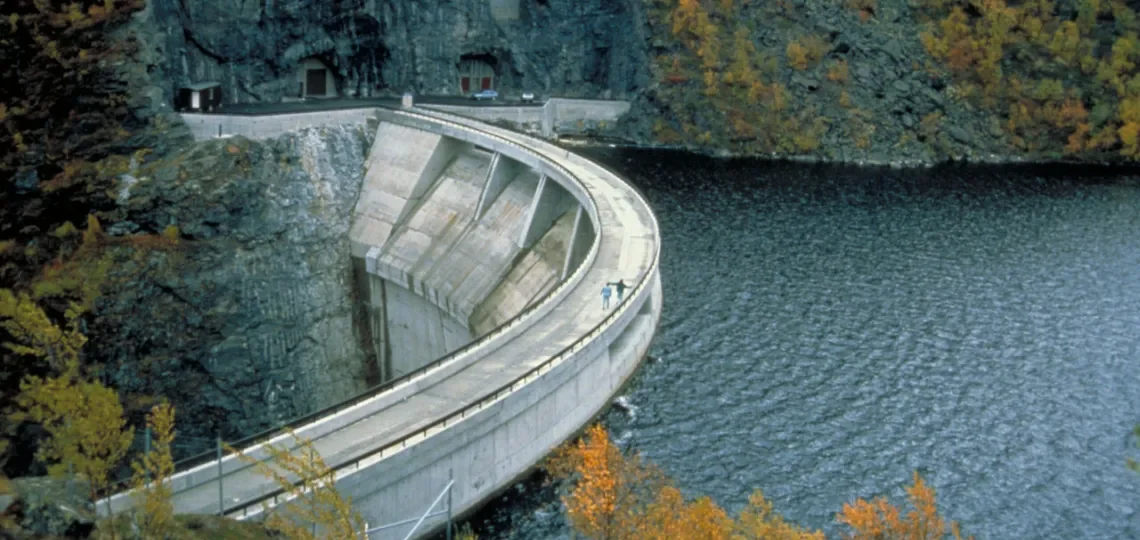
A worrying finding also emerges regarding infrastructure durability. Reza Najafi, a researcher at Western University, warns that 40% to 50% of Canada’s dams were built over 50 years ago. These structures were not designed to withstand the intensification of extreme climatic events. Consequently, a thorough revision of design and management standards is imperative.
Hydro-Québec has already started adapting by redesigning reservoir management to prevent prolonged droughts and sudden floods. However, this transition is complex and requires careful planning. Engineer Pierre-Marc Rondeau emphasizes that the company is now preparing to handle unpredictable scenarios by adjusting its practices.
An Uncertain Future
Despite these efforts, the question remains: will these adjustments be sufficient to keep up with the pace of climate change? Researchers stress the urgency of integrating these new realities into national guidelines while acknowledging that solutions will require massive investments and technological innovations.
Hydropower, a symbol of sustainable energy transition, is now being tested. Between adaptation and vulnerability, Canada will have to navigate critical strategic choices to ensure its energy resilience in an increasingly unpredictable climate.