Canada and Germany join forces to strengthen strategic minerals supply
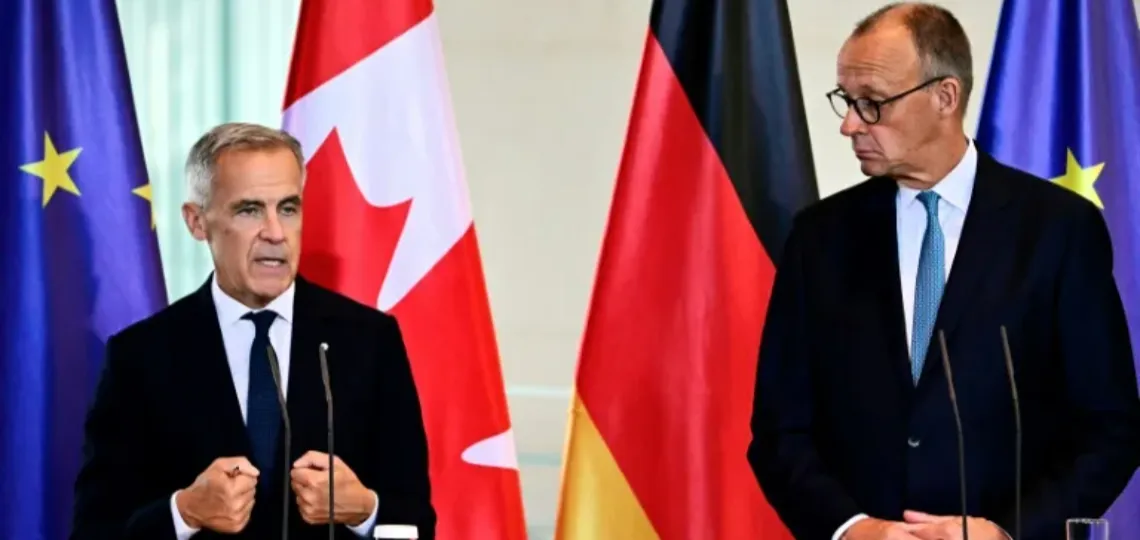
Canada and Germany have signed a joint declaration of intent to secure their supply chains for strategic minerals such as lithium, nickel and rare earths.
| Sectors | Critical Metals |
|---|---|
| Themes | Investments & Transactions, Commercial Partnerships |
| Companies | KfW |
| Countries | Canada, Germany |
Natural Resources Canada and the German Federal Ministry for Economic Affairs and Energy have formalised a joint declaration of intent to strengthen their cooperation in the field of strategic minerals. This initiative reflects the commitment of both countries to secure key resources for the defence industry, technological production and the energy transition.
Targeted resources for cooperation
The agreement highlights seven minerals considered priorities: lithium, rare earths, copper, tungsten, gallium, germanium and nickel. Both governments aim to establish safer supply chains that are less dependent on a single source. This project builds on existing collaborations, such as the Canada-Germany Energy Partnership and the bilateral Hydrogen Alliance.
The cooperation includes processing, refining and recycling of these minerals, with a focus on innovation and intermediate technologies. Public and private financing will be mobilised through mechanisms such as the German Raw Materials Fund, Canada’s Clean Growth Fund and Canada’s Strategic Innovation Fund.
Joint investments and knowledge transfer
The declaration provides for co-investments through German and Canadian financial instruments, including the German public bank KfW. Both parties aim to promote joint research and development, particularly in advanced processing and recycling technologies, in order to strengthen industrial resilience.
A bilateral working group will be established to coordinate implementation. It will bring together government representatives but may also include industry stakeholders, Indigenous communities and universities. The Canadian Minister of Energy and Natural Resources and the German Minister for Economic Affairs and Energy will oversee the work.
A non-binding agreement
The declaration does not contain binding financial commitments or legal obligations. Investments will depend on available budgets and national legislation. Both countries have committed to sharing experiences in traceability, regulation and authorisation processes, in line with European legislation on critical raw materials.
Natural Resources Canada stated that “this cooperation aims to strengthen the resilience and economic security of our countries.”