Cameroon boosts solar capacity with additional 28.6 MWp in Maroua and Guider
The Cameroonian government launches the extension of two solar plants in the Far North, increasing their combined capacity to 64.4 MWp, with support from international investors.
| Sectors | Solar Energy, Photovoltaic |
|---|---|
| Themes | Investments & Transactions, Financing, Project Development |
| Companies | Actis |
| Countries | Cameroon |
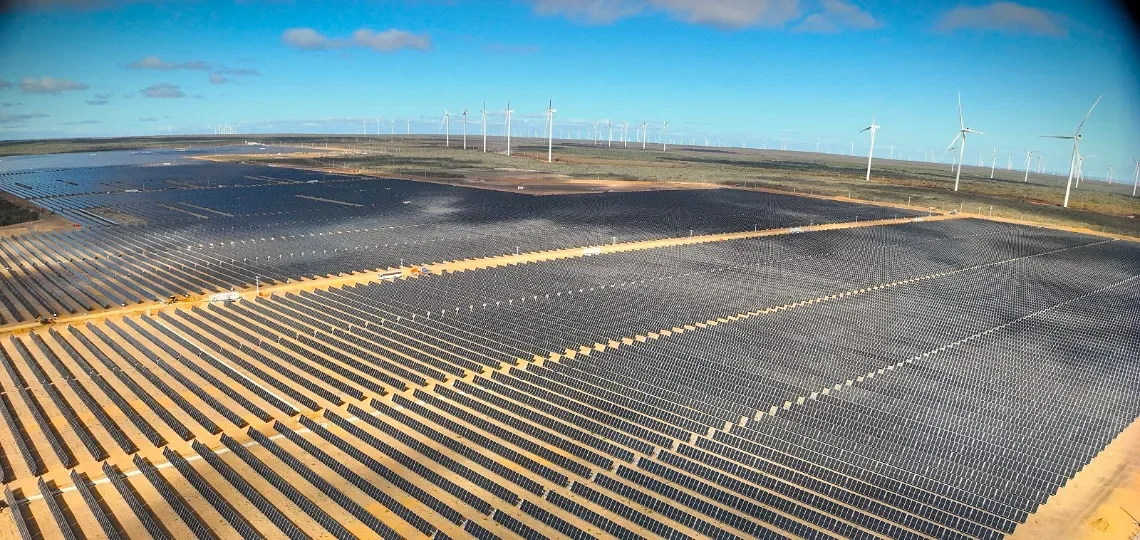
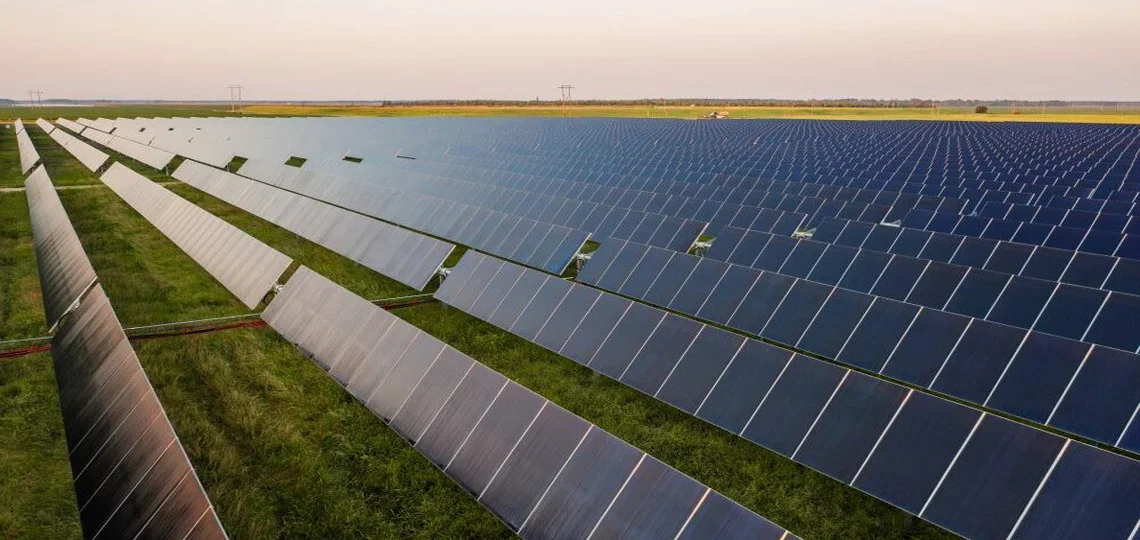
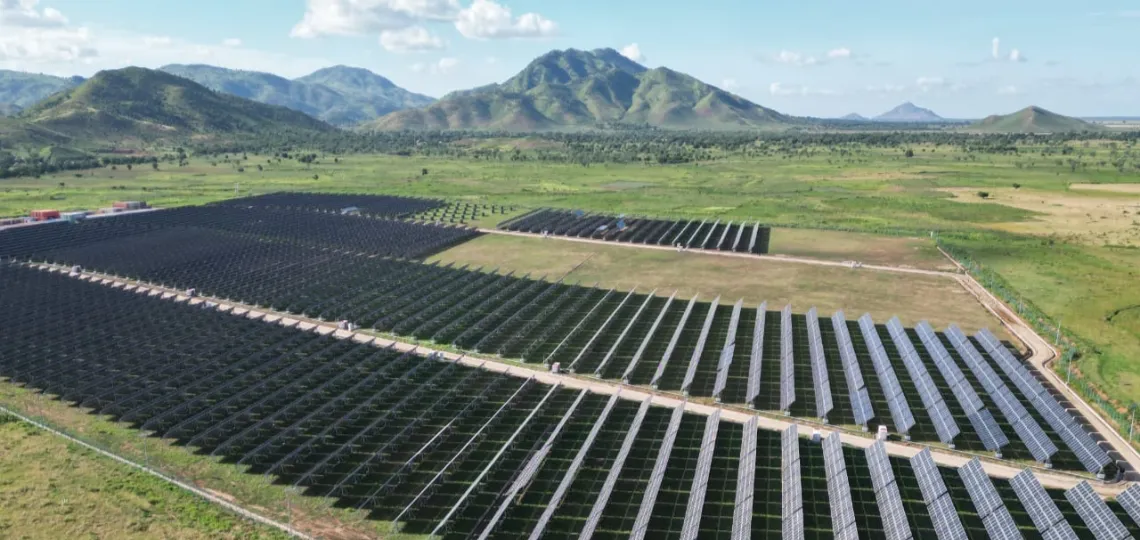
Cameroon has officially launched the extension works for the Maroua and Guider solar power plants, located in the Far North region. The project will add a total of 28.6 megawatt-peak (MWp) to the country’s solar capacity, bringing the Maroua plant to 37.7 MWp and the Guider facility to 26.7 MWp. This move marks a new phase in the expansion of solar within the national energy mix.
A partnership between private actors and multilateral financing
The works have been entrusted to Release, a subsidiary of Norwegian group Scatec, which was also responsible for the initial construction of both plants. The project follows an agreement signed in June 2024 between Release and Eneo, a company majority-owned by British investment fund Actis. No official figures have been disclosed regarding the total cost of the extension, but Release has secured financing of over XAF60bn ( $100mn) from the International Finance Corporation (IFC), the World Bank’s private sector arm.
This financing is not limited to the Maroua and Guider facilities. It aims to support all of Release’s solar projects in the region, including in Cameroon and Chad. Additionally, the Cameroonian government has provided a financial guarantee worth XAF6bn to support Eneo in the implementation of the extension.
Impact on the power grid in the northern regions
Since their commissioning in 2023, the Maroua and Guider solar plants have been feeding electricity into the grids serving the North, Adamaoua, and Far North regions, which previously suffered frequent outages due to the reduced output of the Lagdo hydropower dam. According to Eneo, grid stability has significantly improved since the first quarter of 2023, with a marked reduction in load shedding.
The new capacity aims to consolidate this fragile balance in a region where energy demand remains high, especially for households and small industries. The strengthened infrastructure is also expected to improve local economic attractiveness by ensuring a more stable power supply.
A growth trajectory for solar by 2030
The development of the Maroua and Guider solar plants is part of a long-term strategy to diversify the country’s energy sources, still largely dominated by hydropower. Eneo’s Chief Executive Officer, Amine Homan Ludiye, stated that installed solar capacity in Cameroon is expected to reach 250 MW by 2030 if ongoing projects are completed as planned.