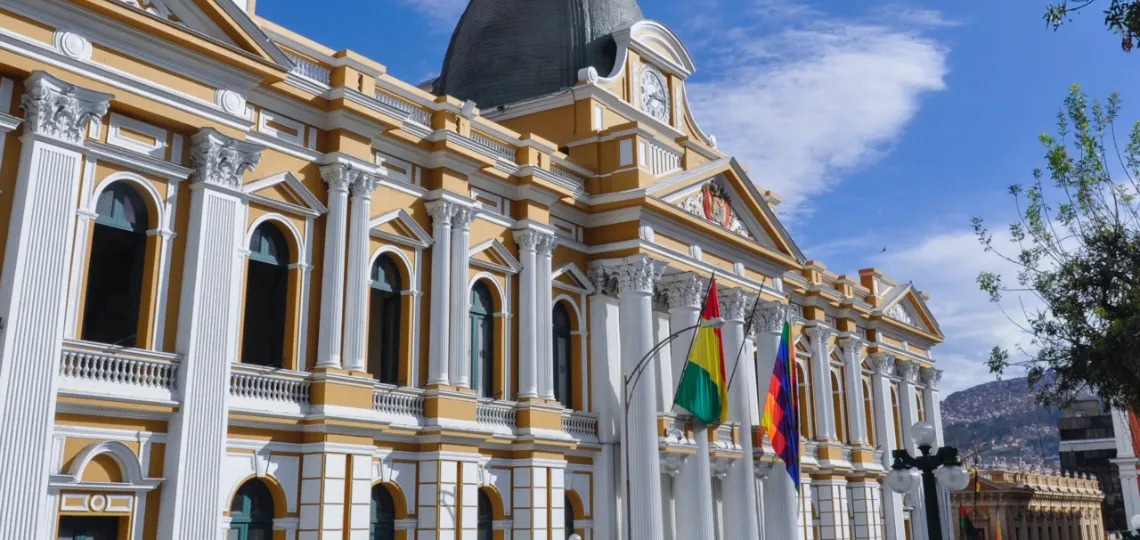
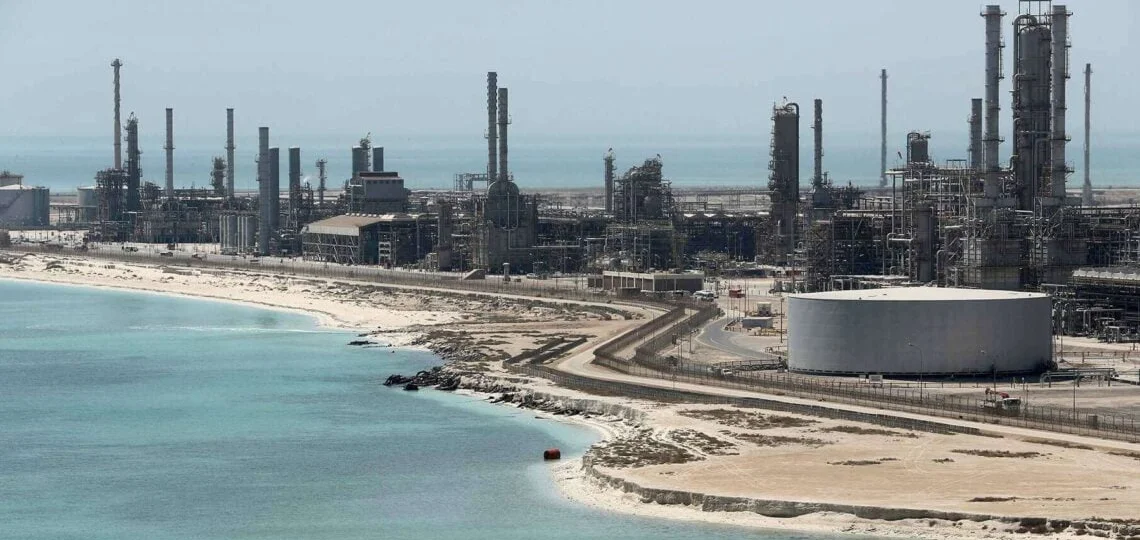
Bolivian President Rodrigo Paz has announced the removal of fuel subsidies, marking a major shift in the country’s economic policy. The scheme had artificially kept petrol and diesel prices low for two decades, despite its increasing burden on public finances. The decision comes as the economy faces high inflation and shrinking currency reserves.
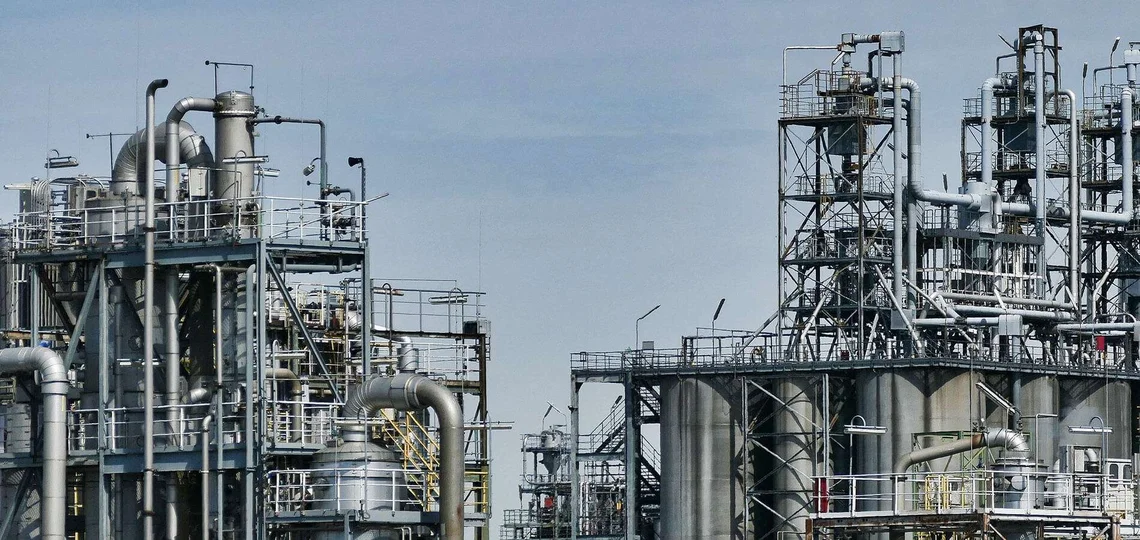
Until now, the Bolivian state centralised fuel imports and resold them domestically at a loss. According to authorities, this mechanism contributed to the gradual depletion of dollar reserves and a worsening budgetary balance. The government considers this policy no longer sustainable in the current macroeconomic context.
A regulatory reform targeting market distortions
The new centre-right administration claims that ending the subsidies will help re-establish a more coherent regulatory framework for the fuel sector. Rodrigo Paz stated that the removal of these supports aims to eliminate price distortions and related illegal practices, particularly smuggling. He also noted that the previous system encouraged opaque supply chains and significant fiscal losses.
According to the government, adjusting prices to reflect actual import costs should improve economic transparency and strengthen public revenues. Authorities view this reform as a necessary step to restore policy credibility and reduce reliance on external financing.
Expected economic impact and social uncertainty
Ending the subsidies is likely to lead to higher fuel prices in the domestic market, in a country where they were among the lowest in the region. This change could affect purchasing power and transportation costs, with potential repercussions across several economic sectors.
The government estimates the annual cost of subsidies at approximately BOB1.3bn ($188mn), a burden deemed incompatible with the state of public finances. Authorities have not yet detailed any support measures for the most vulnerable households, stating that economic stabilisation and regulatory clarity remain the immediate priorities.