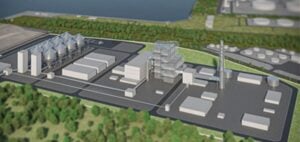
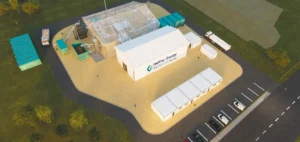
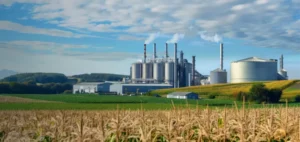
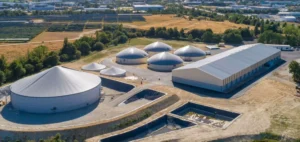
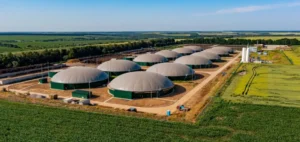
Spanish renewable energy developer Solarig will invest more than $415mn to construct and operate over 20 biomethane production facilities in Poland over the next five years. The project will be managed by its dedicated biomethane subsidiary, Biorig, which is also active in Spain and Italy with similar developments.
The future plants, spread across several Polish regions, are expected to produce up to 1 terawatt hour of gas annually. This output would be sufficient to cover the yearly consumption of 400,000 households. Biomethane is produced from organic matter such as food waste or damaged agricultural crops, and can be fed directly into national gas infrastructure.
A favourable environment for infrastructure deployment
With approximately 1.3 million farms, Poland has the second-largest number of agricultural holdings in the European Union, providing a significant feedstock base for biomethane production. The Polish government is preparing an auction-based system to offer financial support to biomethane producers that inject their output into the national gas grid.
In this context, Solarig’s entry reflects the opening of the market. “Poland represents a strategic opportunity due to the great potential of its market: this is a key moment, thanks to regulatory momentum that encourages the installation of biomethane plants,” said Piotr Tomasz Kosior, Biorig’s country manager for Poland.
Gradual industrial rollout and operational model
The detailed schedule for construction and commissioning has not yet been disclosed. However, Solarig confirmed that the rollout will follow a phased approach. The company has not revealed any industrial or financial partners involved in the operation. The aim is to ensure direct injection of the output into the Polish gas grid.
This expansion into Poland represents a new milestone in Biorig’s European growth strategy. By developing its asset portfolio across multiple markets, the Spanish group seeks to reinforce its presence in the renewable gas segment, leveraging national regulatory frameworks and the availability of local organic resources.