
The German federal government has approved a draft law maintaining the use of food-based biofuels at current levels, while ending double counting for certain advanced biofuels and excluding palm oil from climate compliance instruments as of 2027. The legislation also introduces a binding trajectory for greenhouse gas (GHG) emissions reductions across transport, electricity, and heating under the amended GHG quota Act.
Retention of crop-based biofuels reflects political compromise
This decision marks a shift from the former SPD–Green–FDP coalition, which had planned a gradual phase-out of food-based biofuels. Now led by a CDU/CSU–SPD cabinet under Friedrich Merz, the government confirms the status quo on volumes, amid growing tensions with the farming sector. The measure satisfies agricultural unions and oilseed processors by securing demand for rapeseed and cereal-based biodiesel and ethanol.
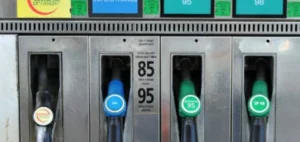
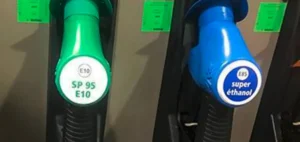
The provisions align with the European Renewable Energy Directive (RED III), which caps food-based biofuels at 7% of transport energy consumption. Berlin opts to use the maximum allowed share without reducing it, whereas other EU member states have voluntarily chosen lower limits to support advanced biofuels or electrification.
End of double counting reshapes real demand
The removal of double counting, which previously allowed certain waste-based biofuels to be counted twice towards compliance, alters the market structure. The reform increases effective regulatory demand, making a higher physical volume necessary to meet GHG targets. Fuel distributors and oil companies support the measure, seeing it as a clarification of compliance obligations.
Feedstocks such as used cooking oil and animal fats may rise in value due to their relative scarcity and strategic relevance in a now linear framework—one litre equals one carbon credit. In contrast, advanced biofuel producers lose a key regulatory advantage, which may affect short-term profitability.
Gradual palm oil exclusion triggers supply chain adjustment
The law excludes palm oil from GHG quota compliance from 2027, in line with EU rules on high indirect land-use change (ILUC) risk feedstocks. However, this applies only to climate accounting and does not ban imports. This legal approach allows Berlin to avoid conflict with World Trade Organization rules.
Logistics and industrial players are expected to redirect import flows to other uses or markets. The measure may heighten tensions with exporting countries such as Indonesia and Malaysia while increasing pressure on European operators to secure traceable volumes that comply with the upcoming EU Deforestation Regulation (EUDR).
Impact on energy firms and agricultural sector
The combination of a more ambitious GHG quota and the removal of regulatory bonuses raises the cost of compliance for oil companies and fuel distributors. Several are already pursuing vertical integration strategies to secure feedstock supply, including investments in biofuel units and partnerships with the farming sector.
For agricultural producers and the agri-industry, the retention of first-generation biofuels is seen as an economic stabiliser. However, this policy choice could trigger backlash from environmental NGOs, which have long criticised the food-versus-fuel debate, especially amid global agricultural price volatility.
Towards a more coherent yet demanding compliance framework
The reform partially aligns the obligations under the national GHG quota, RED III, and EUDR. Companies must now manage cross-compliance obligations, with increased legal risk if interpretations differ between national and EU authorities.
To meet these demands, energy sector stakeholders will need to reinforce traceability systems, internal controls, and audit processes. This structural change aligns regulatory incentives with climate targets while redefining the parameters of Germany’s biofuels market.