Fluor selected for front-end engineering of LanzaJet’s sustainable fuel hub in England
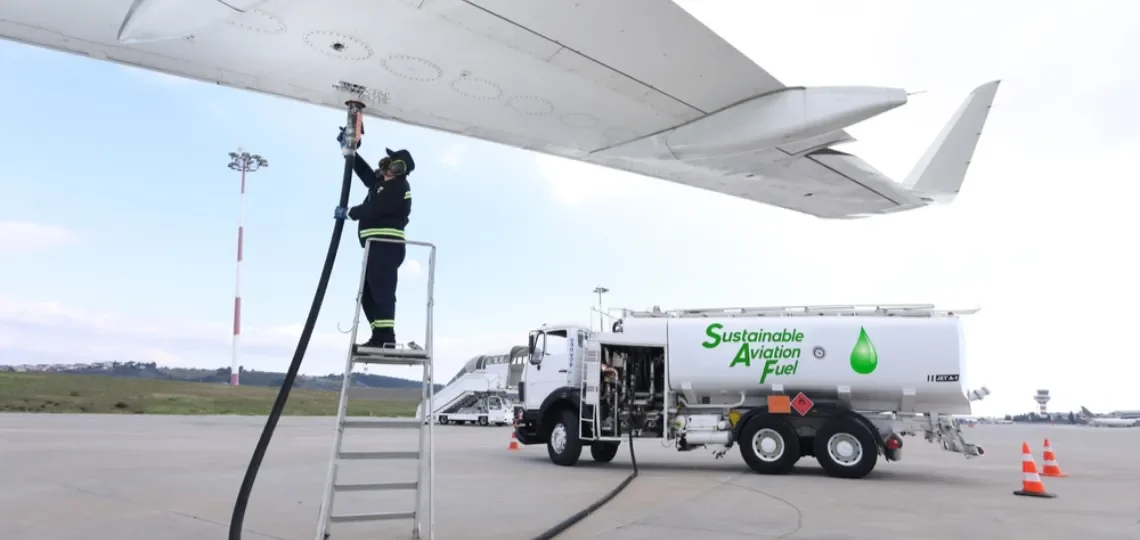
Fluor Corporation will lead the front-end engineering of a UK sustainable aviation fuel plant led by LanzaJet and British Airways, with planned output of over 90,000 tonnes per year.
| Sectors | Alternative Fuels, SAF |
|---|---|
| Themes | Project Development, Announcement |
| Countries | United Kingdom |
Fluor Corporation has been awarded the contract to conduct the front-end engineering and design of a sustainable aviation fuel (SAF) industrial project in northern England. The initiative, named Project Speedbird, is led by LanzaJet in partnership with British Airways. The contract value has not been disclosed and will be recognised in the third quarter.
A technology based on second-generation ethanol
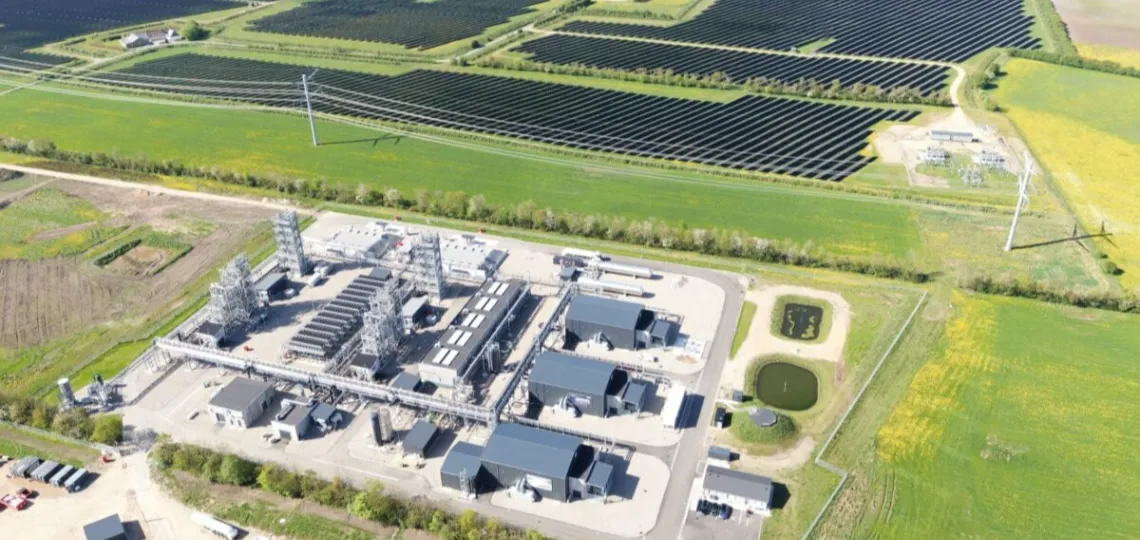
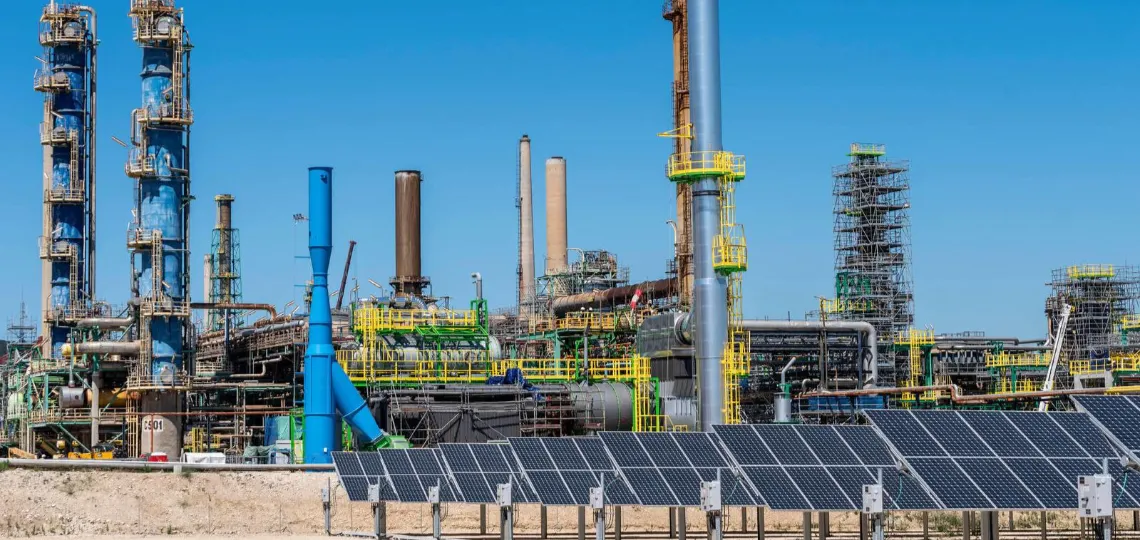
The facility will be located in Teesside, selected for its industrial infrastructure and access to a skilled workforce. The project will deploy LanzaJet’s proprietary Alcohol-to-Jet technology, converting ethanol from agricultural residues and woody biomass into SAF. Annual output will exceed 90,000 tonnes, including SAF and renewable diesel.
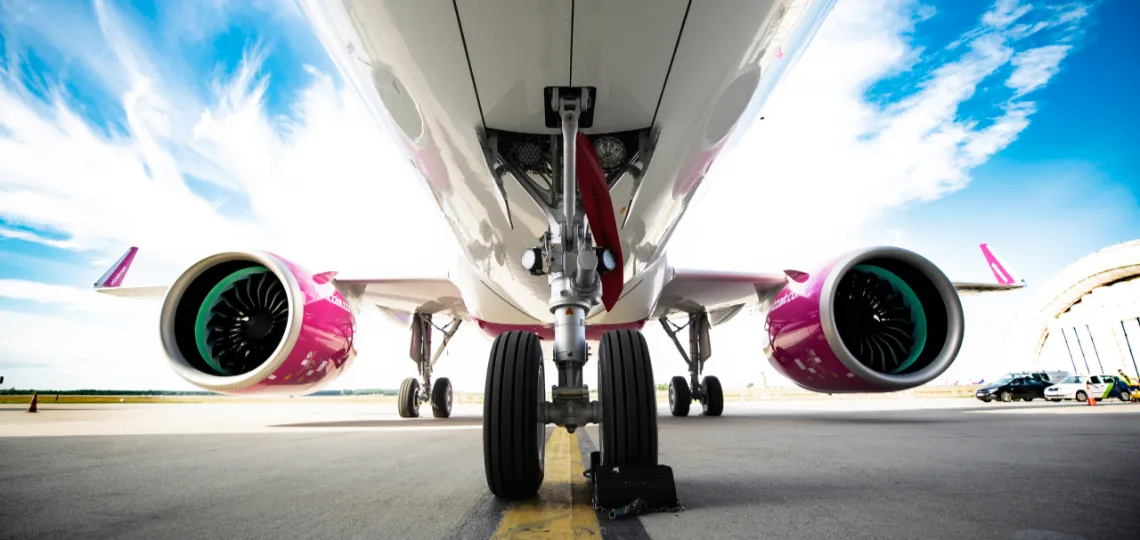
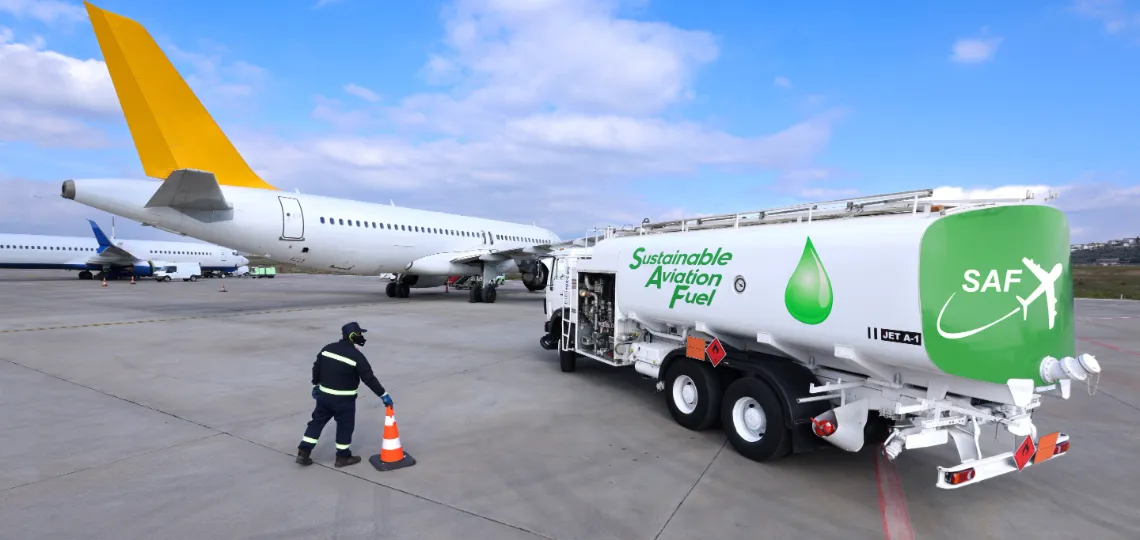
British Airways plans to use the fuel to reduce its carbon dioxide emissions by around 230,000 tonnes per year, equivalent to the emissions from 26,000 domestic flights. The site development marks a step forward in the industrial scale-up of SAF solutions in the United Kingdom.
A strategic partnership for commercial-scale deployment
Fluor Corporation will serve as engineering, procurement and construction (EPC) provider. The group will contribute its expertise in the design and delivery of complex industrial projects. LanzaJet views the collaboration as a demonstration of its commitment to scaling renewable fuels technologies.
Project Speedbird joins a growing portfolio of commercial-scale developments led by LanzaJet in the alternative fuels sector. The company is currently developing several similar facilities to meet the growing demand for low-carbon aviation fuel.
Industrial integration at the heart of Teesside
Teesside was chosen for its logistical and industrial advantages. The region benefits from port and rail access, as well as an industrial base focused on renewable energy and green chemicals. It is also seeking further investment in heavy decarbonisation technologies.
The plant’s commercial output is expected to support compliance with stricter emissions targets imposed on airlines. The international aviation sector is under increasing pressure to diversify energy sources and reduce reliance on traditional fossil fuels.