Singapore to issue licences for methanol bunkering starting in 2026
Three companies will begin methanol refuelling operations in Singapore in January 2026, marking a shift for the world’s largest bunkering hub.
| Sectors | Hydrogen Energy, Methanol |
|---|---|
| Themes | Regulation & Governance, Regulation |
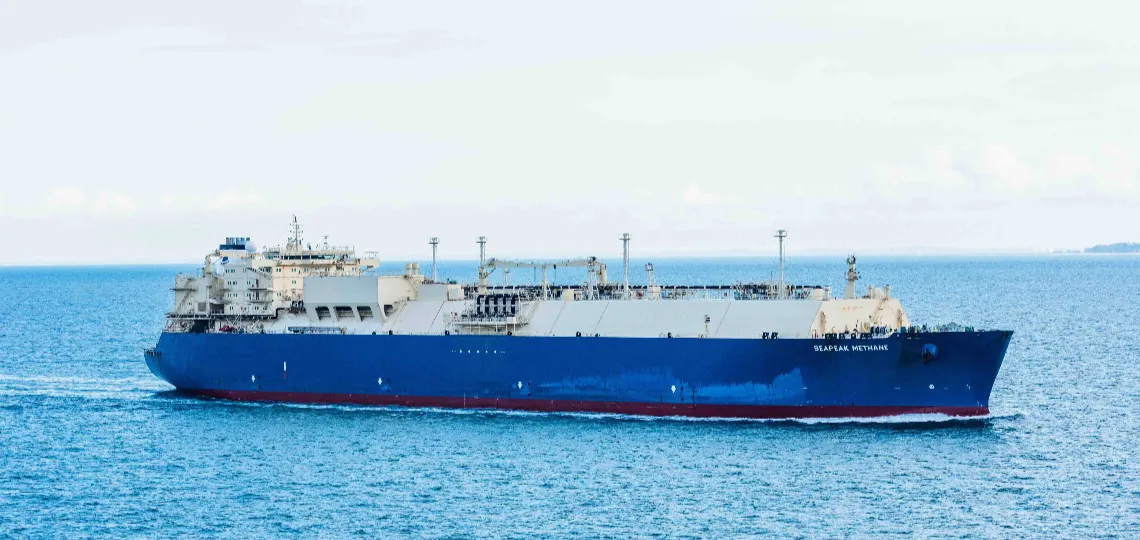
Singapore will authorise methanol bunkering as a marine fuel at its port starting from January 1, 2026, reinforcing its dominant position in the global bunkering market. Three companies have been selected to operate the service following a call for applications launched earlier this year.
Three operators selected for the launch
Global Energy Trading Pte Ltd, Golden Island Pte Ltd and PetroChina International (Singapore) Pte Ltd were chosen from thirteen applicants by the Maritime and Port Authority of Singapore (MPA). These companies will be the first to supply methanol as an alternative fuel to vessels in the Port of Singapore.
The licences granted will be valid for five years to support initial investments, infrastructure development and the establishment of reliable supply chains. This framework is intended to progressively structure a market still in its early stages.
Strategic positioning in the Strait of Malacca
Singapore currently holds the top global position in bunkering operations due to its geographical location in the Strait of Malacca and its advanced port infrastructure. The choice of methanol, particularly green methanol produced from renewable sources and residual carbon dioxide, aligns with a gradual shift toward new standards in marine fuels.
Methanol, although more expensive than conventional bunker fuels, is seen by shipowners as an alternative that can reduce emissions by up to 65%, according to data provided by maritime companies operating in the region.
A response to international requirements
The International Maritime Organization (IMO) has set clear targets for reducing shipping emissions, with a 40% reduction by 2030 and net zero emissions around 2050. In response to these directives, several ports are working to diversify their offerings of low-emission fuels.
According to the latest estimates from the United Nations Conference on Trade and Development (UNCTAD), maritime transport currently accounts for approximately 3% of global greenhouse gas emissions. The introduction of a regulatory framework for methanol in Singapore is part of a broader sectoral adaptation to increasingly stringent standards.