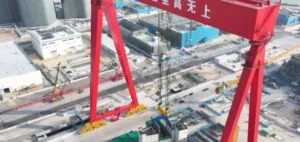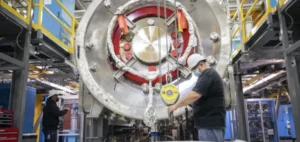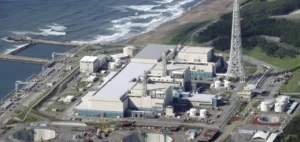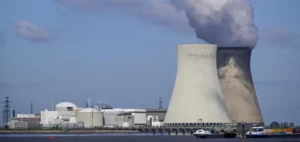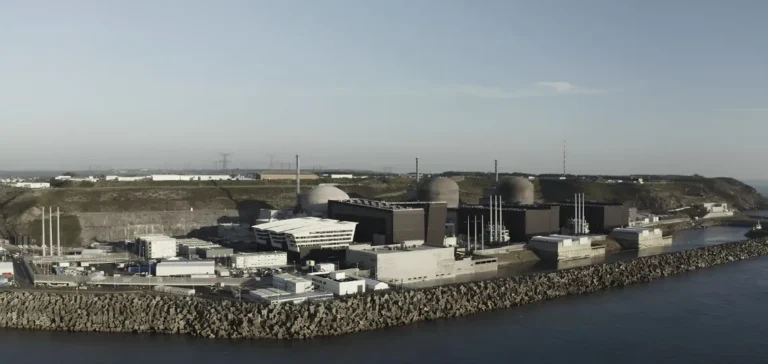

The European Pressurised Reactor (EPR) at Flamanville has reached a new milestone in its commissioning phase by achieving 80% of its nominal power. EDF stated that this production level was reached for the first time on the morning of November 12. Tests will be conducted at this stage before seeking final authorisation from the Autorité de sûreté nucléaire et de radioprotection (ASNR – Nuclear Safety and Radiation Protection Authority) to increase to full capacity.
Sébastien Miossec, Deputy Director of Production at EDF, reaffirmed that the 100% threshold remains scheduled for the end of autumn. This will precede a planned full outage in September 2026. The 350-day shutdown will allow for the reactor’s first complete inspection, a regulatory procedure required thirty months after the initial fuel loading.
Heavy maintenance scheduled for 2026
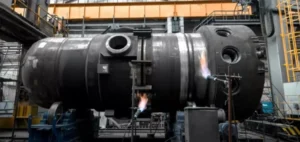
During this inspection, EDF expects to perform around 20,000 technical operations, including replacing the reactor vessel head. This component, known to have long-standing anomalies, will be changed at the request of the ASNR. EDF confirmed that this type of operation has been previously carried out on other reactors and is fully controlled.
The inspection will also involve refuelling with uranium. Nearly 200 industrial partners will work alongside EDF to complete the planned maintenance and, where necessary, technical modifications. This operational phase is part of the standard commissioning cycle for new-generation nuclear reactors.
A project marked by delays and cost overruns
The Flamanville EPR was connected to the electrical grid in December 2024, twelve years behind the original schedule. Initially estimated at €3.3bn ($3.53bn), the project cost has been revised to approximately €20bn ($21.4bn) in 2015 terms, and €23.7bn ($25.35bn) in 2023 terms.
The project has faced multiple technical challenges, including a valve leak that led to a four-month shutdown between June and October 2025. At that time, EDF revised its timeline, shifting the full power target to the end of autumn instead of the originally planned summer date.