
The World Bank has granted $430mn in funding to Tunisia to modernise its electricity infrastructure and support the deployment of renewable capacity over the next five years. This support is part of the Transition to Renewable Energy and Governance programme (TEREG), aimed at improving the interconnection of the national grid while enhancing the country’s energy resilience.
Network reinforcement to integrate 2.8 GW of new capacity
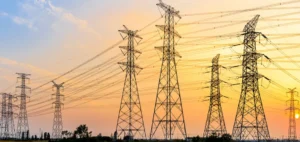
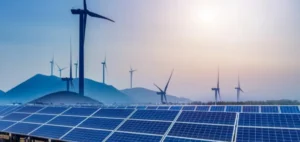
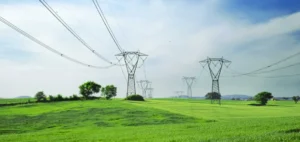
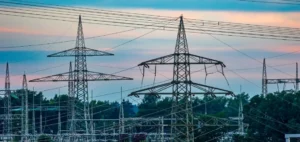
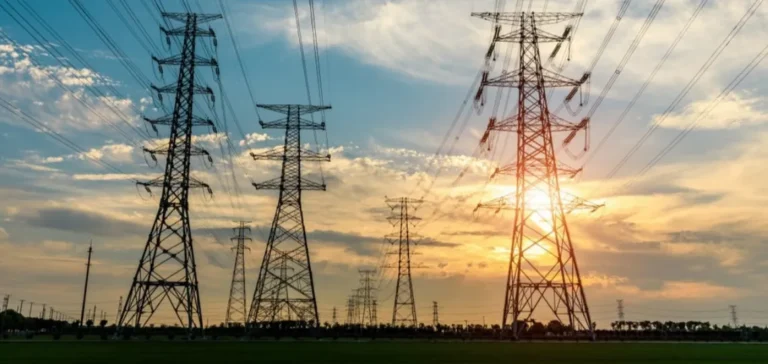
The programme targets the mobilisation of $2.8bn in private investments to add 2.8 gigawatts of new solar and wind capacity by 2028. The goal is to support greater interconnection of the national electrical grid through the renovation of existing infrastructure and the development of new transmission lines. The funding will also help stabilise electricity delivery, particularly in regions experiencing rapid demographic and industrial growth.
STEG modernisation and network restructuring
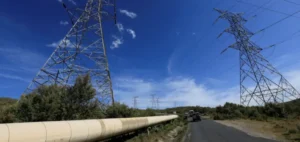
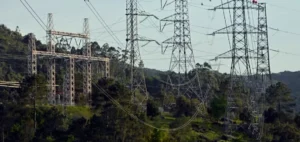
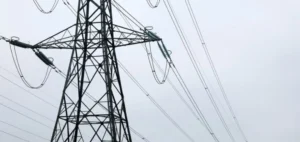
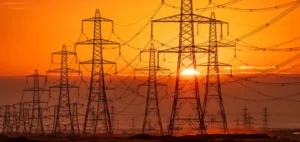
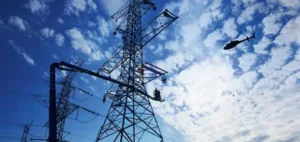
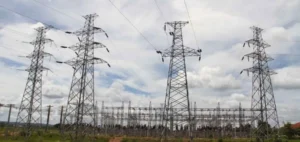
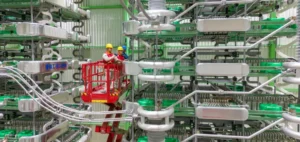
The project includes direct support to Société tunisienne de l’électricité et du gaz (STEG), the state-owned operator responsible for managing the national grid. The funding will enable technical performance improvements and the implementation of governance mechanisms to attract more private players. Modernising substations, installing digital supervision systems and reinforcing high-voltage transmission lines are among the programme’s priority actions.
Reducing energy dependency and public subsidies
Tunisia, heavily dependent on hydrocarbon imports, expects to reduce its electricity supply costs by 25 % through this programme. This reduction would ease the growing fiscal burden of energy subsidies. In the medium term, the government anticipates greater grid stability and diversification of supply sources.
Job creation during deployment phase
More than 30,000 jobs are expected to be created during the construction phase of the new renewable capacities, according to official forecasts. Demand for skilled labour will mainly focus on infrastructure works, smart grid installation and equipment maintenance.