Veolia transforms sewage sludge into biomethane to power 10,000 Parisian households
Veolia and SIAAP launch a sewage sludge methanization unit in the Paris region, producing biomethane for 10,000 households. This initiative aims to recover an unused gas, contributing to energy autonomy.
| Sectors | Gas, Biomethane |
|---|---|
| Themes | Investments & Transactions, Project Development, Financing |
| Companies | Veolia |
| Countries | France |
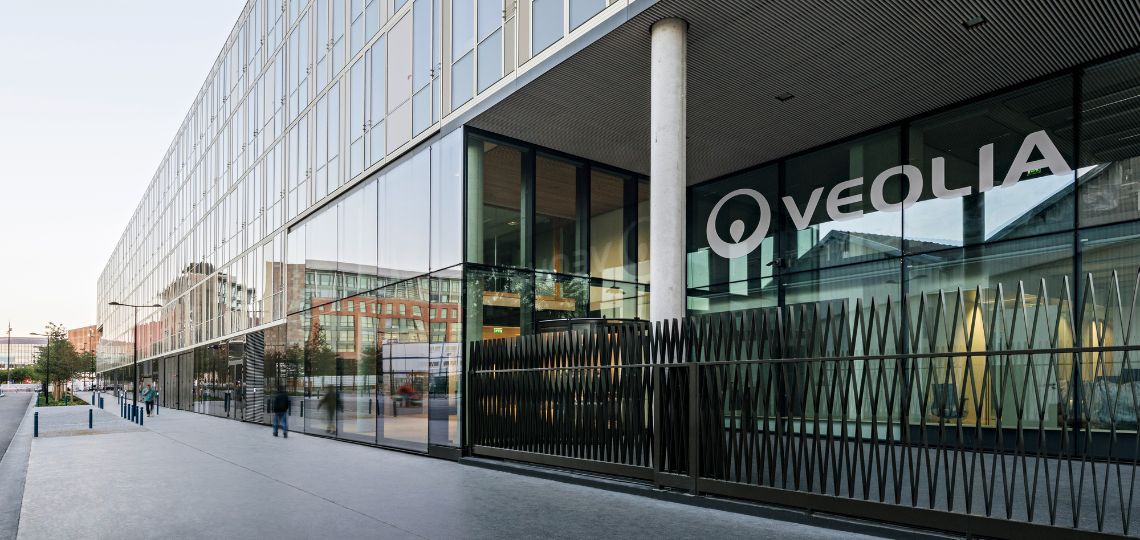
The French company Veolia, specializing in water and waste management, has partnered with the Interdepartmental Syndicate for the Sanitation of the Parisian Agglomeration (SIAAP) to launch a new sewage sludge methanization unit. This facility, located in the Paris region, aims to produce biomethane, a renewable gas, from sludge derived from the wastewater treatment of 2.2 million Parisians. This gas, intended for urban grid distribution, is expected to meet the energy needs of over 10,000 households, according to data provided at the inauguration.
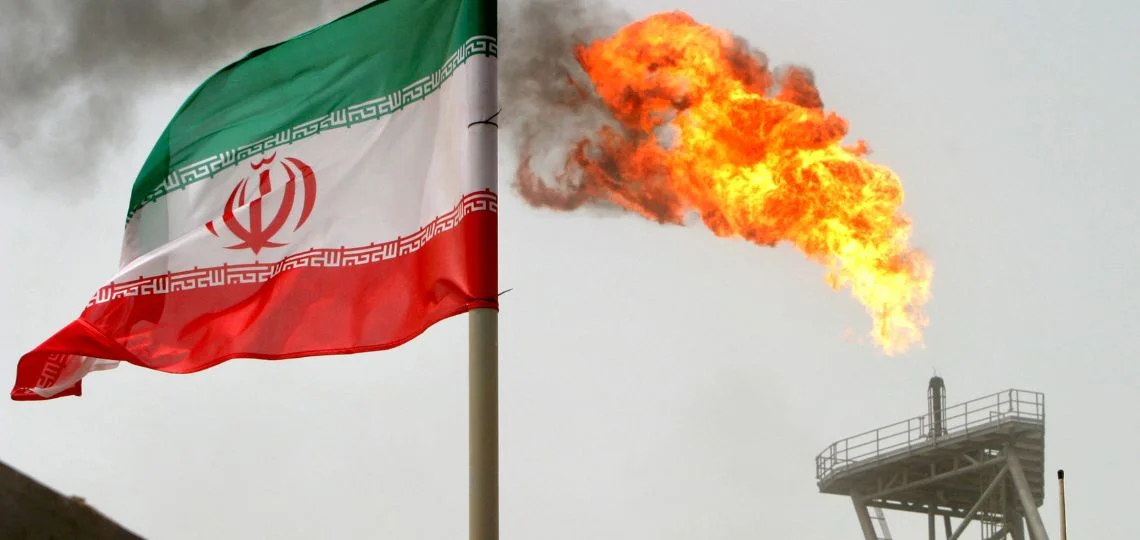
For several years, the biogas generated by the wastewater treatment process was partially reused to meet the energy needs of the treatment plant itself. However, a portion of this unused gas was flared, a practice known as “flaring,” thus releasing carbon dioxide (CO₂) into the atmosphere. “The biogas we didn’t use was flared, meaning it was released into the atmosphere. Today, it will be reinjected into the grid and, more importantly, sold,” stated François-Marie Didier, president of SIAAP, noting that this change also represents a significant financial gain for the syndicate.
An advanced methanization process
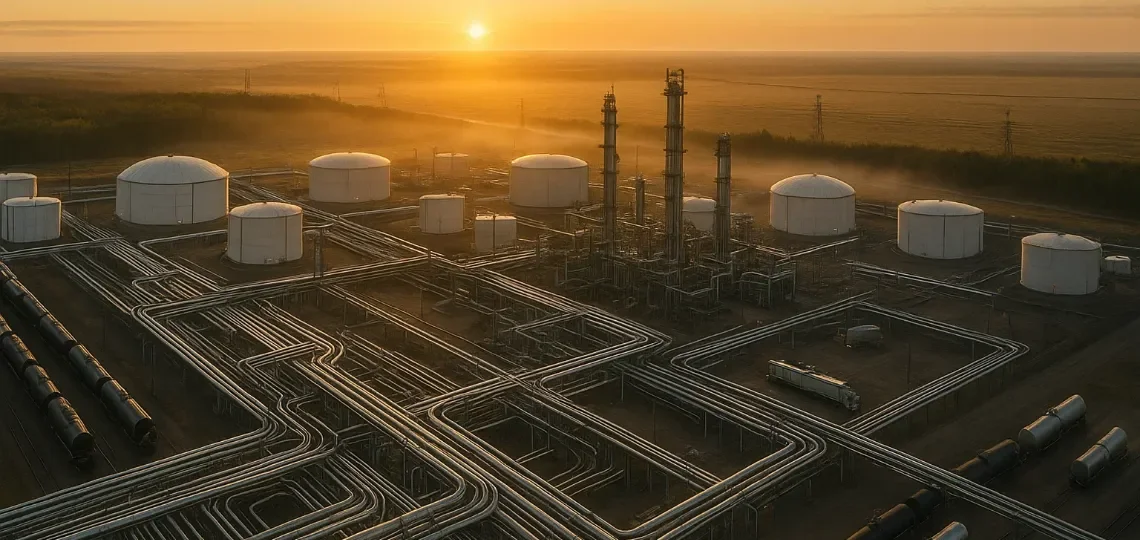
To produce this biomethane, the sewage sludge undergoes a three-week fermentation process in a digester, a large tank maintained at 37 degrees Celsius. Bacteria decompose the sludge, releasing a fermentation gas composed of 65% methane, making it a biogas. This gas is then purified in a dedicated unit to reach a biomethane concentration exceeding 97%, allowing it to be injected into the urban gas grid.
This purification involves several treatment stages. First, the biogas is stripped of its moisture, then filtered through activated charcoal to remove hydrogen sulfide (H₂S) and volatile organic compounds. Subsequently, compressors increase the gas pressure to fifteen bars, thereby facilitating the separation of methane (CH₄) and carbon dioxide (CO₂) molecules through a system of specialized membranes. This purified methane is then ready for grid injection, with a launch scheduled for mid-November, according to Christophe Plard, an engineer at SIAAP.
A new financial and environmental resource
The use of this biogas represents progress towards energy autonomy for wastewater treatment facilities in France. Antoine Frérot, chairman of Veolia’s board of directors, emphasized during the inauguration that this approach is part of a broader vision: “The goal is to progressively render energy self-sufficient all water and waste management facilities we operate in France.”
SIAAP, responsible for selling the biomethane, estimates that this initiative will generate a financial resource of approximately two million euros per year. This additional revenue is especially notable as it comes from the valorization of a previously underutilized by-product.
Future perspectives and ambitions
The injection of biomethane from sewage sludge into the urban grid paves the way for other similar projects in France and Europe. The initiative aligns with objectives to reduce greenhouse gas (GHG) emissions and promote renewable energies in both the industrial and public sectors. By diversifying its energy resources, Veolia not only aims to meet local energy needs but also hopes to inspire other communities to explore sustainable and innovative waste management solutions.
As the energy transition accelerates, projects like this, which combine ecological efficiency and economic viability, demonstrate how the waste and energy sectors can converge to provide solutions to environmental challenges.