UK Gathers 35 Nations to Secure the Strait of Hormuz
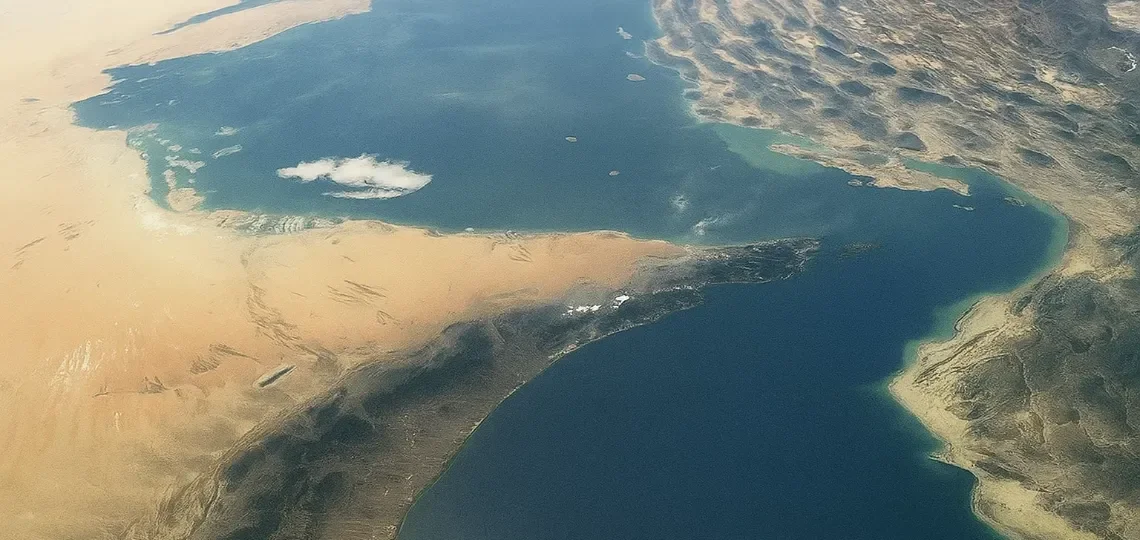
London is convening a 35-nation coalition to restore freedom of navigation in the Strait of Hormuz, near-paralyzed since the outbreak of conflict on February 28, with direct consequences for hydrocarbon prices.
| Sectors | Oil, Transport & Storage, Gas, LNG |
|---|---|
| Themes | Policy & Geopolitics, Energy Security |
| Countries | United Kingdom, Iran, United States, France, Japan |
The United Kingdom has gathered 35 nations around a joint declaration of intent to restore maritime security in the Strait of Hormuz. Prime Minister Keir Starmer announced Wednesday that Foreign Secretary Yvette Cooper would host a meeting of these countries during the week, the first since the adoption of that declaration. The near-paralysis of the strait by Tehran has disrupted global liquefied natural gas (LNG) markets: the JKM has doubled, exposing Japan to a significant increase in its LNG bill. This meeting aims to assess all available diplomatic and political measures to restore freedom of navigation, ensure the safety of stranded ships and sailors, and resume the flow of vital goods, according to Keir Starmer.
A Military Component Alongside Diplomacy
Consultations between the military planners of the coalition's member countries are expected to follow the diplomatic meeting, according to the British Prime Minister. The objective is to examine how to mobilize national capabilities to make the strait accessible and safe once hostilities end. This two-pronged approach, diplomatic and military, reflects the scale of international coordination required to address a crisis with global economic consequences.
The conflict began on February 28 with Israeli-American strikes on Iran. The Strait of Hormuz, through which one-fifth of global oil production as well as LNG normally transits, has been near-paralyzed by Tehran, triggering a sharp rise in hydrocarbon prices. Negotiations between Washington and Tehran have since produced significant movements in oil markets. The economic impact of this paralysis is being felt worldwide.
A 35-Nation Coalition Formed Since March 19
On March 19, the United Kingdom, France, Germany, Italy, the Netherlands and Japan issued a joint communiqué expressing their readiness to contribute to efforts to secure the strait. About 30 other countries have since joined, bringing the coalition to 35 nations. These discussions are taking place under pressure from US President Donald Trump, who urged countries dependent on maritime shipping through the strait to mobilize to unblock it. The president warned Tuesday that the United States would no longer be there to help countries whose oil supply depends on the passage.
The US administration's stance on the Iranian file continues to weigh on international oil markets. Trump also regularly criticizes France, the United Kingdom and the North Atlantic Treaty Organization (NATO), accusing them of not sufficiently supporting the US military in this conflict. In an interview with British daily The Telegraph, he described NATO as a paper tiger and indicated he was considering questioning American membership in the Alliance after the end of the conflict.
Starmer Defends NATO Amid American Questioning
Keir Starmer pushed back against these statements during his press conference at Downing Street. He described NATO as the most effective military alliance the world has ever known, assuring that it has kept its members safe for decades. The United Kingdom is fully committed to it, he added, amid unprecedented diplomatic tensions between Washington and its European allies.