The International Energy Agency forecasts 7% growth in global LNG trade in 2026
The International Energy Agency anticipates an acceleration in global liquefied natural gas trade, driven by major new projects in North America, while demand in Asia remains weak.
| Sectors | Gas, LNG |
|---|---|
| Themes | Markets & Finance, Sector Analysis |
| Companies | AIE |
| Countries | China, India, Mexico, United States |
Global liquefied natural gas (LNG) trade is expected to increase by 5.5% in 2025 and by 7% in 2026, according to the latest report from the International Energy Agency (IEA). This development represents the sector’s fastest annual growth since 2019, with a projected rise of 40 billion cubic metres during 2026.
Growth outlook driven by North America
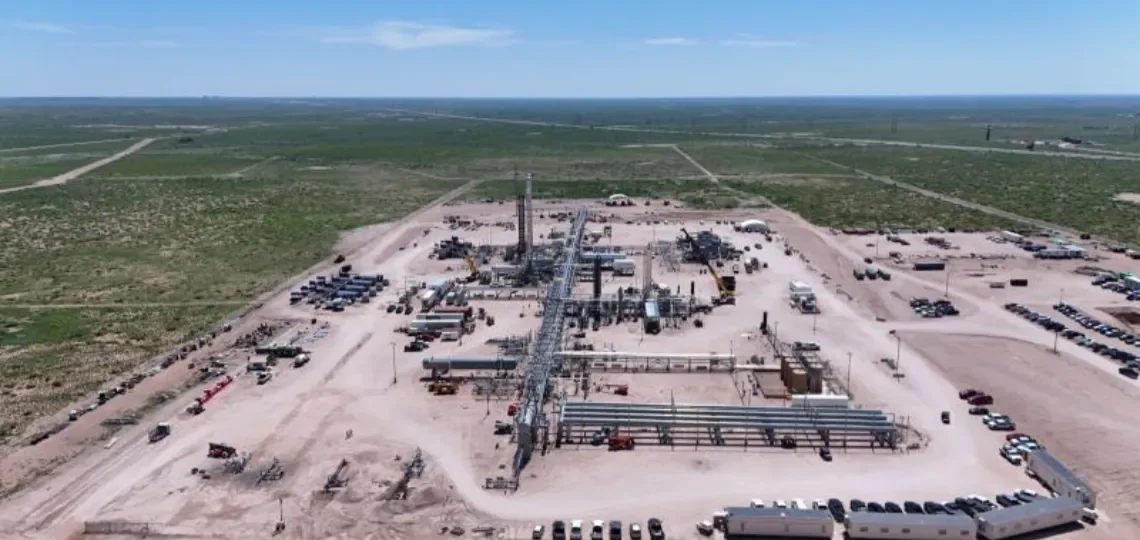
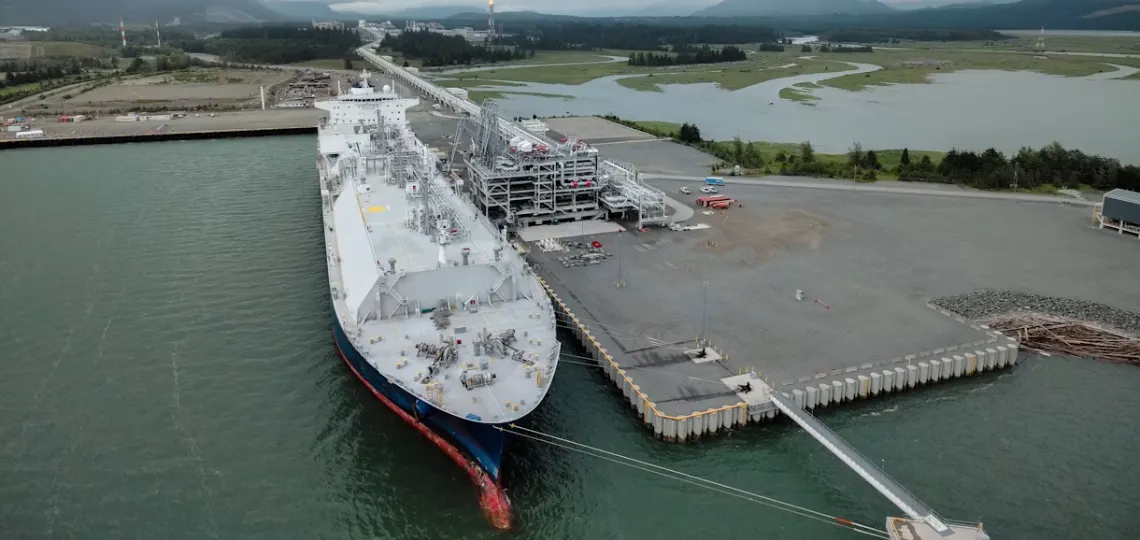
The IEA indicates that the expansion of LNG trade will be mainly fuelled by the ramp-up of new industrial projects in North America. In 2025, global supply is expected to increase by 30 billion cubic metres, led by the commissioning of large-scale LNG production facilities in the United States and Canada. The agency notes that North America and Europe concentrated most of the growth, supported by adverse weather conditions which boosted gas use in the building and power sectors.
In contrast, Asian demand is contracting, particularly in China and India, where a decrease in gas consumption was observed during the first half of 2025. This trend stands in contrast with the momentum of Western markets, illustrating diverging developments among major consumption hubs.
Impact of liquefaction capacity and decline in Russian deliveries
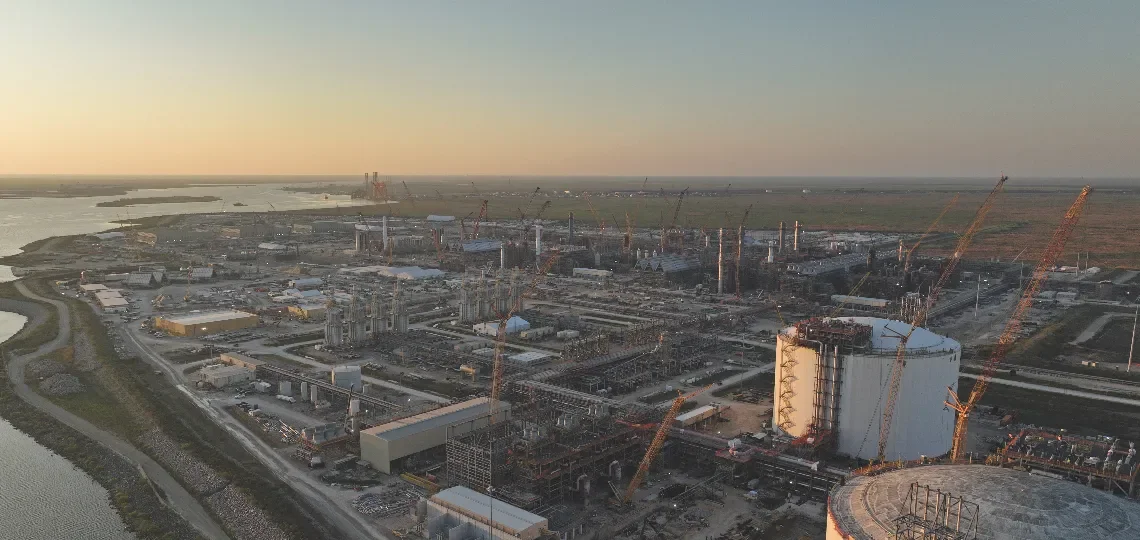
The IEA estimates that, in 2026, the United States, Canada, and Mexico will account for more than 70% of the total global increase in liquefaction capacity. The launch of the Golden Pass LNG project in the United States, together with the ramp-up of units started in 2025, will be a key driver for the growth in supply.
The agency also reports a reduction in Russian gas deliveries to the European Union, which have dropped by 45%, or 6.5 billion cubic metres. This decline has been partly offset by increased LNG supplies from other regions. The evolution of the LNG market thus continues to reflect adjustments linked to regional balances and investments in new infrastructure.
The IEA report highlights the central role of North American players in the sector’s growth, set against a backdrop of shifting global energy trade flows and ongoing development of industrial capacities.