The French PPA market reaches 2 GW led by photovoltaic dominance
France now counts over 100 long-term electricity purchase agreements, totalling 2 GW, mainly driven by the rise of photovoltaics and the expansion of hybrid and multi-buyer models.
| Sectors | Wind Energy, Solar Energy, Hydrogen Energy, Photovoltaic, Onshore, Green Hydrogen |
|---|---|
| Themes | Contracts, Investments & Transactions |
| Companies | Commission de régulation de l’énergie |
| Countries | Denmark, France, Norway |
The French market for long-term electricity purchase agreements, known as Power Purchase Agreements (PPAs), surpassed the threshold of 2 gigawatts (GW) of installed renewable electricity in March 2024, according to the Commission de régulation de l’énergie (CRE). These contracts, signed between producers and end consumers of electricity, are experiencing significant growth amid price instability and shifting energy models.
Photovoltaics lead contractual volumes
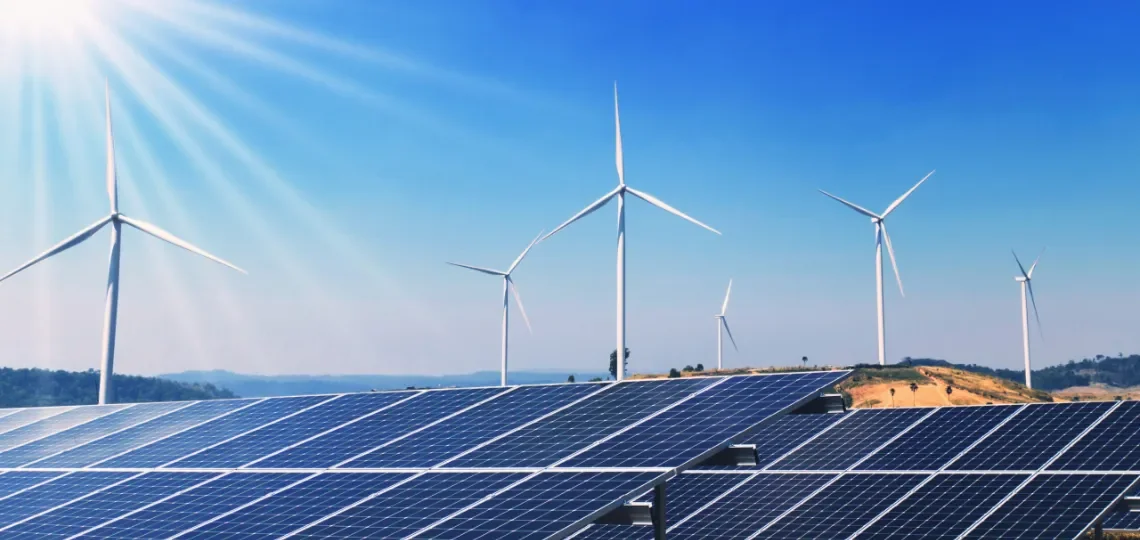
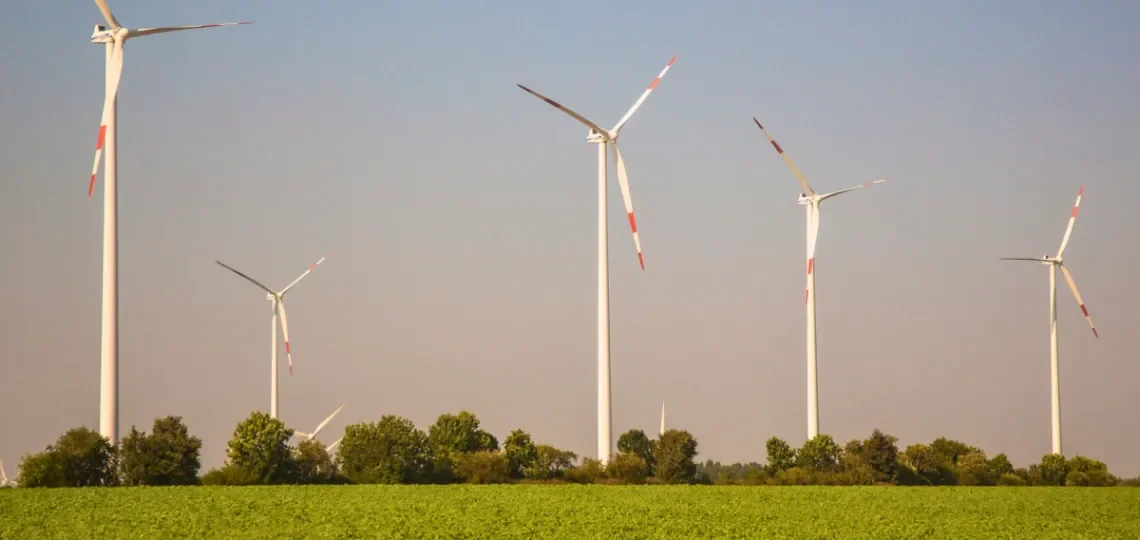
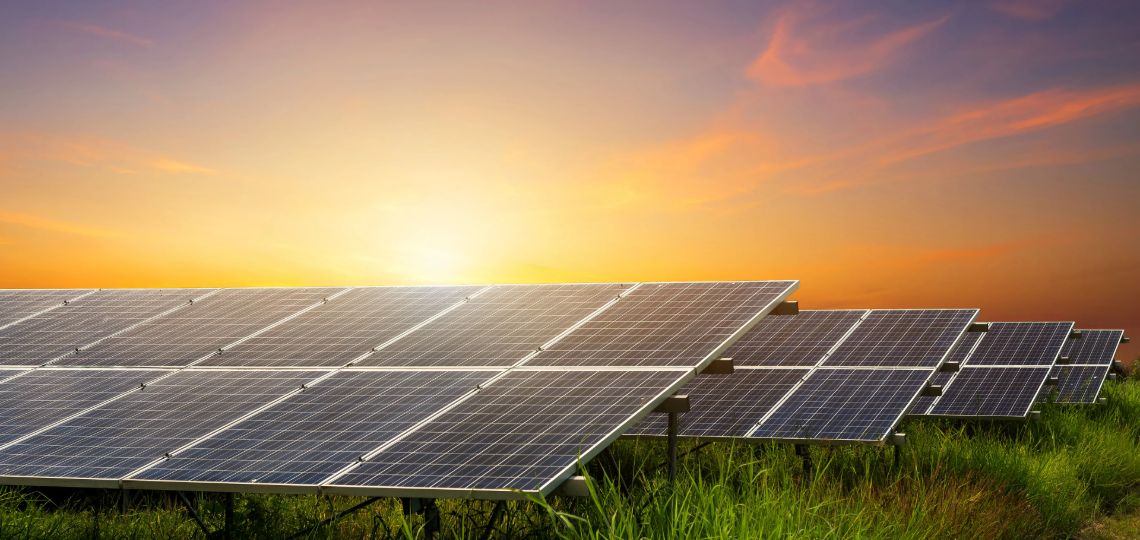
Among the various renewable energy sources used in French PPAs, photovoltaics clearly dominate, with 1.8 GW contracted. Onshore wind accounts for 0.2 GW, while mixed portfolios combining wind and solar represent 0.1 GW. PPAs covering a broader renewable energy portfolio total 0.3 GW. These figures reflect a Europe-wide trend, where 160 solar agreements were signed in 2023, totalling 10.5 GW, or 65% of annual volume.
Increasing players and diversification of models
Corporate PPAs are increasingly used as hedging tools against price volatility. In 2023, 56% of the 216 PPAs signed in the European Union were with independent developers or producers, compared with 44% with traditional utilities. Pricing errors observed in certain agreements have underscored the importance of rigorous financial structuring, a central theme in a recent guide published by La Plateforme Verte in cooperation with BPI, Crédit Agricole Transitions et Energies (CA T&E), and other institutional and private entities.
Hybrid PPA development and initial hydrogen contracts
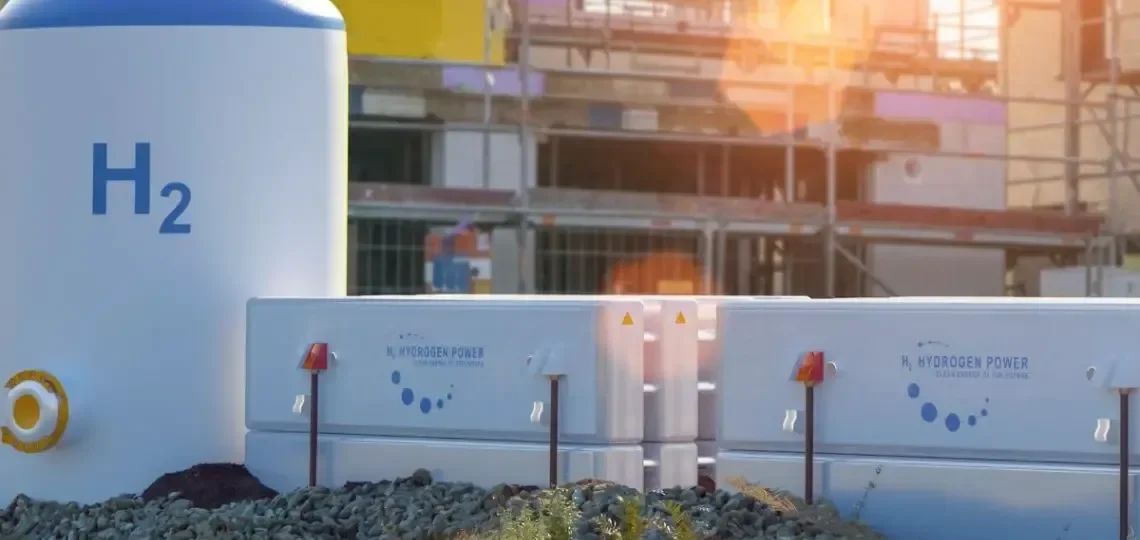
Since 2023, hybrid projects combining storage and subsidy-free renewable production have been developing across Europe. These projects allow for shared grid connection costs and optimise asset profitability through integrated system service management. Simultaneously, the first PPAs linked to green hydrogen are emerging in Norway, Germany, and France, targeting electrolysers powered by renewable sources.
Towards aggregation schemes to share risks
Another notable evolution is the growing presence of multi-buyer or “aggregated” PPAs, which distribute the burden and risk among several entities. First introduced in 2016 on the European PPA market, these schemes are now gaining traction in France, particularly for large-scale projects. They are also accompanied by the rise of biomethane purchase agreements (BPAs), with notable activity in France, Germany, and Denmark.