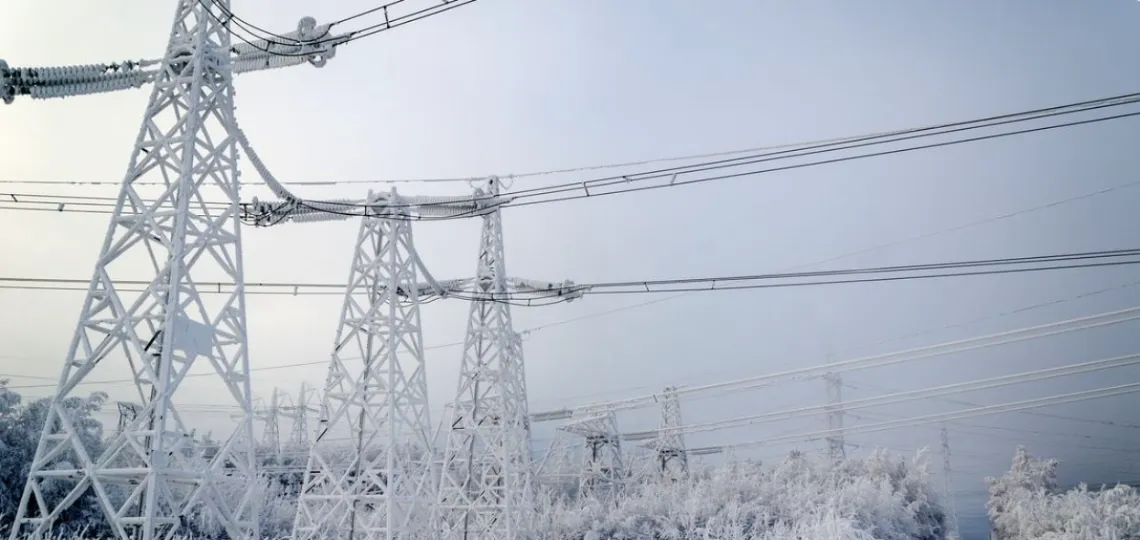
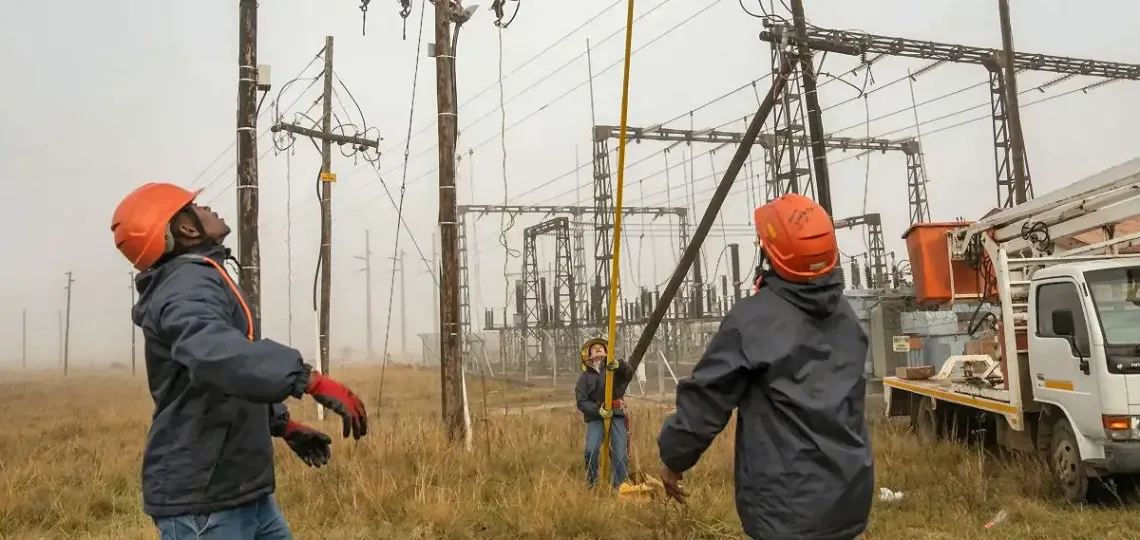
The French government has formally requested Réseau de Transport d’Électricité (RTE) to proceed with the high-voltage transmission line (THT) works linking the Gard department to the industrial-port area (ZIP) of Fos-Berre. This infrastructure is considered essential to secure the region’s electricity supply and support upcoming industrial projects in southern France.
A national priority despite reservations
The prefecture released a 76-page document responding to the public debate led by the Commission nationale du débat public (CNDP), the independent authority in charge of public consultation. While the report acknowledges incomplete assessments of environmental and landscape impacts, it concludes that RTE’s overhead line solution remains the most “effective” in terms of timeline, cost, and capacity. The THT line is designed to carry 400,000 volts to support the area’s growing energy demands.
Industrial investments and supply challenges
Authorities estimate that projected investments in the Fos-Berre ZIP could reach between EUR16.9bn and EUR19.9bn ($18.49bn to $21.77bn) by 2030, with 72% financed by private stakeholders. These funds aim to support the reindustrialisation of the region, with expectations of 10,000 to 12,000 direct job creations. The transmission project is part of a broader national strategy to ensure energy reliability for large industrial sites.
Organised opposition pursuing legal action
The THT 13-30 Collective, representing around thirty local associations, rejected the prefecture’s conclusions, claiming that alternative proposals were dismissed without sufficient justification. According to spokesperson Jean-Laurent Lucchesi, the proposed route would affect several sensitive areas, including vineyards and sections of the Camargue regional nature park. The group intends to challenge the project in court.
Process still in preparatory phase
Regional prefect Jacques Witkowski stated that no final decision has been made. He emphasised that RTE must still justify why some technologies, such as underground or submerged alternatives, were ruled out. He also proposed creating a technical committee involving various stakeholders to strengthen the review process before any potential declaration of public utility. RTE declined to comment when contacted.