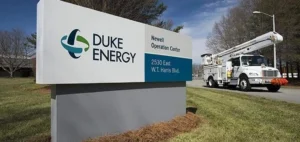
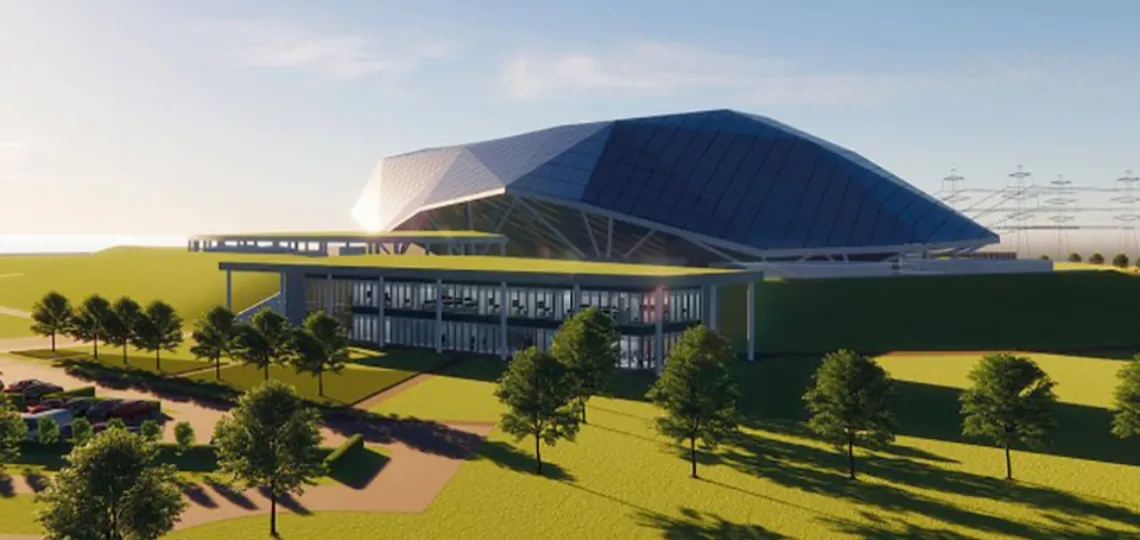
Duke Energy has filed a permit application to assess the feasibility of a nuclear reactor in Stokes County on an existing power generation site, without committing to immediate construction.
The South Korean nuclear regulator has approved the launch of the 1,400-megawatt Saeul 3 reactor, beginning with a six-month pilot phase before full commercial operation.
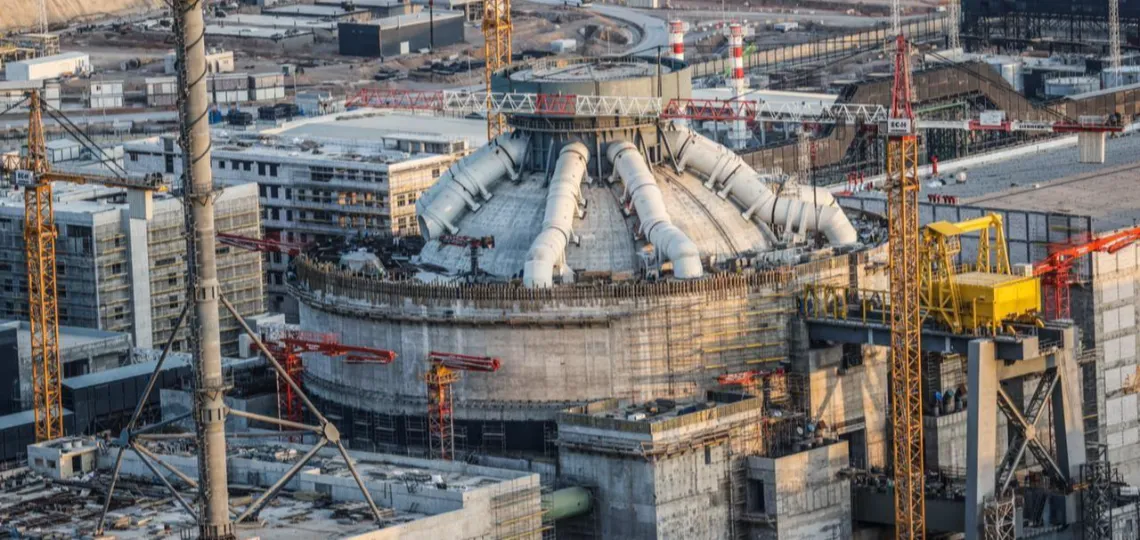
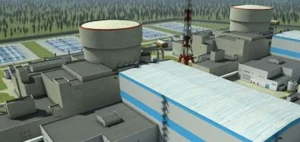
Ankara confirmed new Russian funding for the Akkuyu project, Turkey’s first nuclear site, strengthening its energy ties with Moscow and advancing its domestic nuclear ambitions.
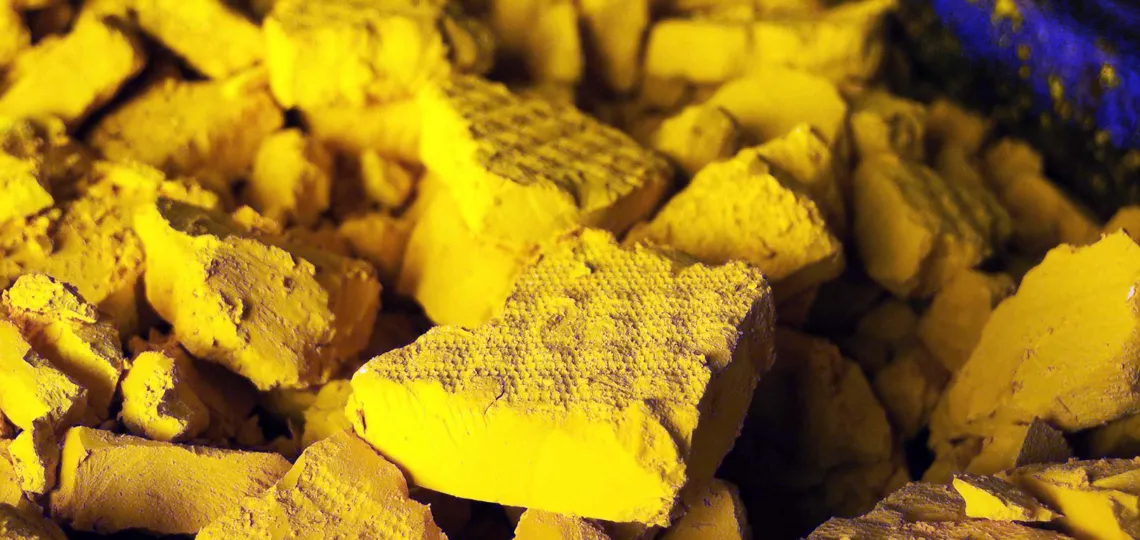
Niger’s military regime disputes theft allegations by French prosecutors after uranium stock vanished from a nationalised site previously operated by Orano.
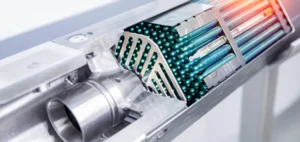
Rosatom successfully completed a series of tests on its high-temperature gas-cooled reactor fuel, validating its performance at up to 1,700 °C under prolonged irradiation conditions.
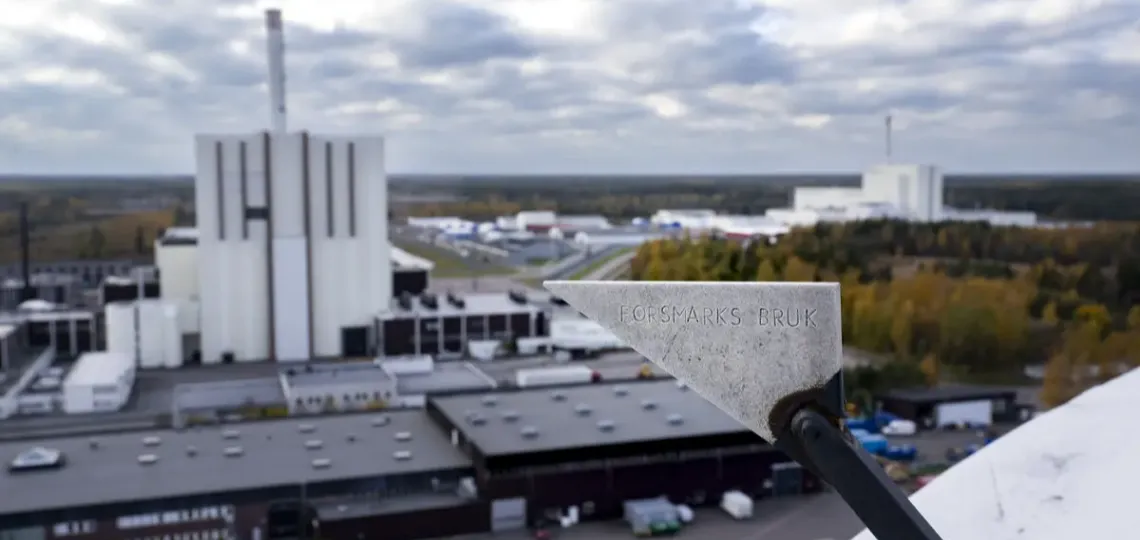
Videberg Kraft AB becomes the first company to request government support to build two new reactors at the Ringhals site, under the national nuclear investment framework adopted in 2025.
The European Commission opens an in-depth investigation into Prague's public funding of a major nuclear project, which could reach €30bn ($32.88bn), with guaranteed revenues over forty years.
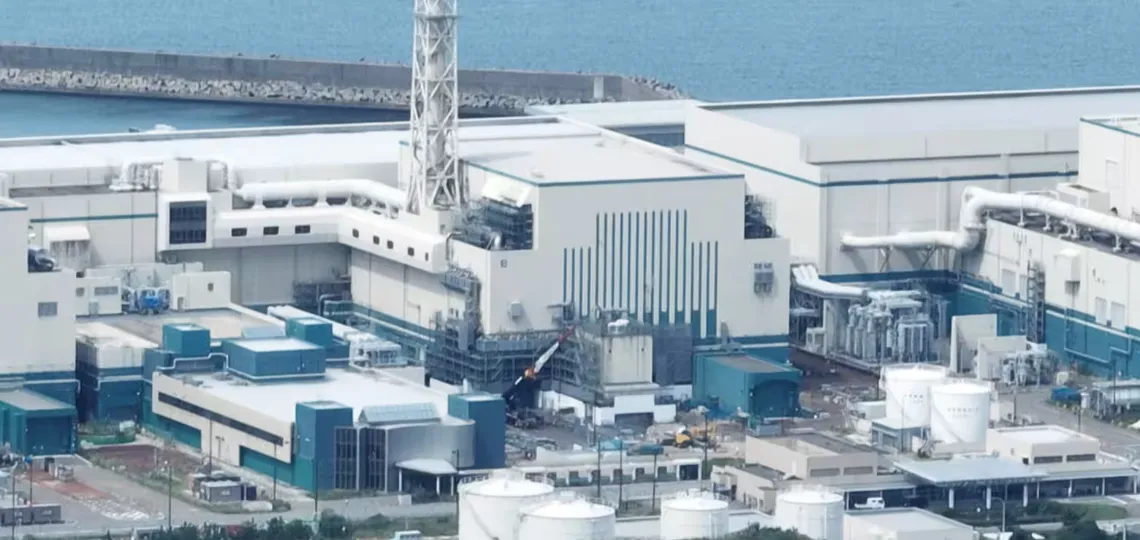
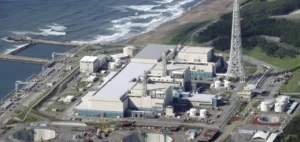
Niigata's assembly officially backs the restart of the Kashiwazaki-Kariwa site, marking a key step in Japan’s return to nuclear energy following the 2011 Fukushima disaster.
The Japanese government plans to fund up to 30% of loans required for nuclear projects, aiming to accelerate reactor restarts and double the share of nuclear energy in its energy mix by 2040.
French nuclear reactor developer Newcleo has submitted its lead-cooled small modular reactor design to Euratom, initiating the first regulatory phase to integrate nuclear non-proliferation safeguards at the European level.
French state utility EDF has increased the maximum estimated cost for building six new nuclear reactors to €72.8 billion ($85.29 billion), representing a 40% rise over the original figure.
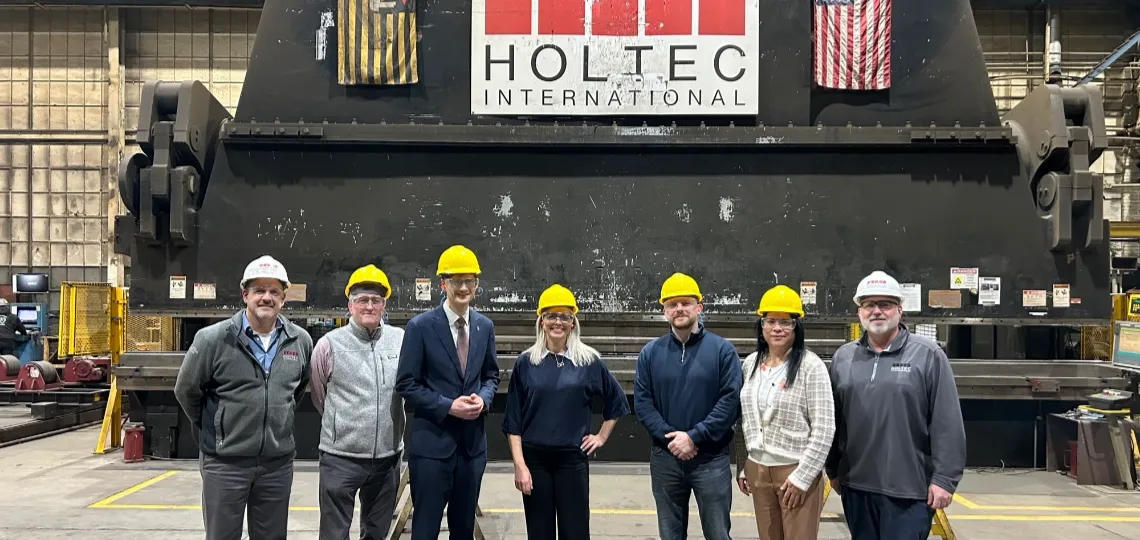
US-based Holtec has signed a memorandum of understanding with Hungary’s energy group MVM to assess the deployment of its SMR-300 technology, strengthening bilateral nuclear cooperation and opening prospects for a new market in Central Europe.
California-based startup Radiant has secured $300mn to build its first factory in Tennessee and prepare for the mass production of miniature nuclear reactors for off-grid applications.
Terra Innovatum has increased its interactions with the Nuclear Regulatory Commission to advance licensing of its SOLO™ micro-modular reactor, despite the partial shutdown of the US federal government.
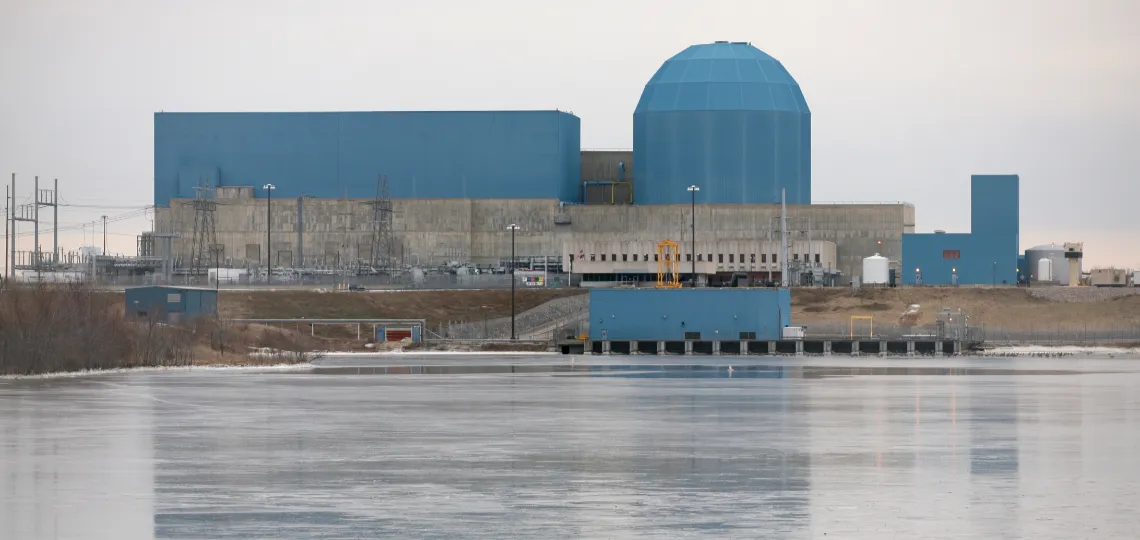
The US nuclear regulator has extended the operating licences of three Illinois reactors by 20 years, strengthening Constellation's long-term industrial outlook for the Clinton and Dresden sites.
The SATURNE Industrial Chair aims to develop innovative uranium extraction methods, with joint funding from Orano and the National Research Agency over a four-year period.
US-based X-energy has signed a reservation agreement with South Korea's Doosan Enerbility to secure key components for its small modular nuclear reactors.
Niger expands its mining alliances with Uranium One to develop new sites, while the Dasa project continues seeking financing despite clear political backing.
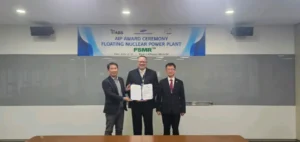
Samsung Heavy Industries has received Approval in Principle for a floating nuclear plant featuring two SMART100 reactors, marking a step toward the commercialisation of offshore small modular reactors.
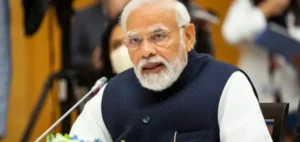
The Indian government proposes a unified legal framework for nuclear energy, aiming to boost private investment and increase installed capacity to 100 GW by 2047.
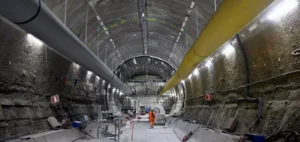
The conditional green light from the nuclear regulator moves Cigéo into its final regulatory stage, while shifting the risks towards financing, territorial negotiations and industrial execution.
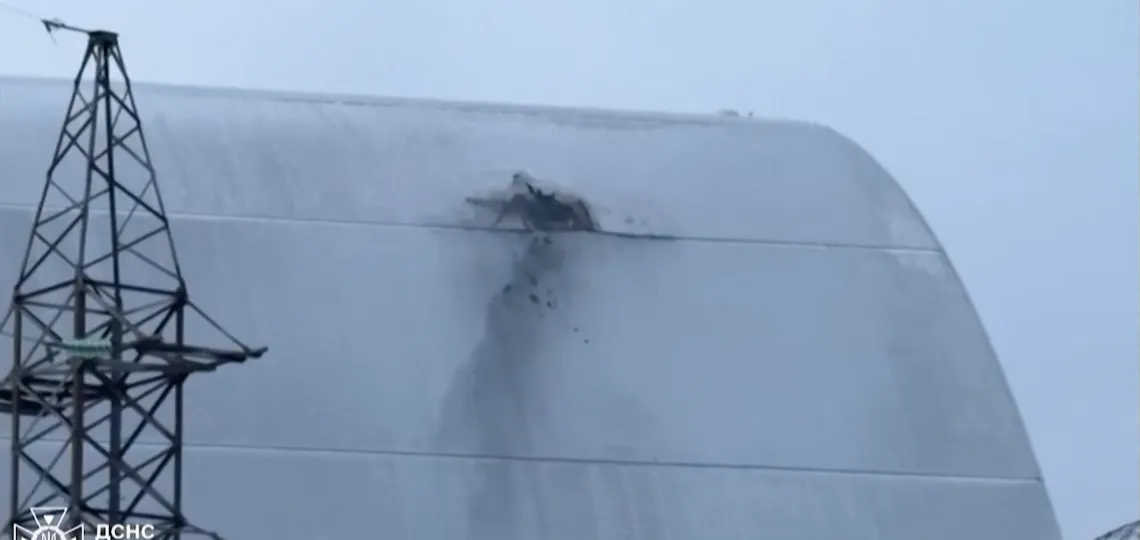
The drone strike confirmed by the IAEA on the Chernobyl site vault exposes Ukraine to a nuclear risk under armed conflict, forcing the EBRD to finance partial restoration while industry standards must now account for drone threats.
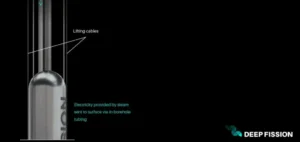
Deep Fission is installing a 15 MWe pressurised reactor 1.6 km underground at Great Plains Industrial Park, under the Department of Energy’s accelerated pilot programme, targeting criticality by July 4, 2026.
EDF commits to supply 33 MW of nuclear electricity to Verkor over 12 years, enabling the battery manufacturer to stabilise energy costs ahead of launching its first Gigafactory.
The full-scope simulator for the Lianjiang nuclear project has successfully passed factory acceptance testing, paving the way for its installation at the construction site in China's Guangdong province.
A coalition of Danish industry groups, unions and investors launches a platform in support of modular nuclear power, aiming to develop firm low-carbon capacity to sustain industrial competitiveness.
The United Kingdom and TAE Technologies create a joint venture in Culham to produce neutral beams, a key component of fusion, with strategic backing from Google.
Texas-based developer Natura Resources receives new federal funding to test key components of its 100-megawatt modular reactor in partnership with Oak Ridge National Laboratory.
The Niigata regional assembly is deliberating on restarting unit 6 of the world’s largest nuclear plant, thirteen years after operations ceased following the Fukushima disaster.
Rolls-Royce SMR has expanded its partnership with ÚJV Řež to accelerate the deployment of small modular reactors, targeting the construction of several units in the Czech Republic and abroad.
The Indian government aims to amend legislation to allow private companies to participate in civil nuclear development, a move positioned as critical to achieving the country’s long-term energy targets.
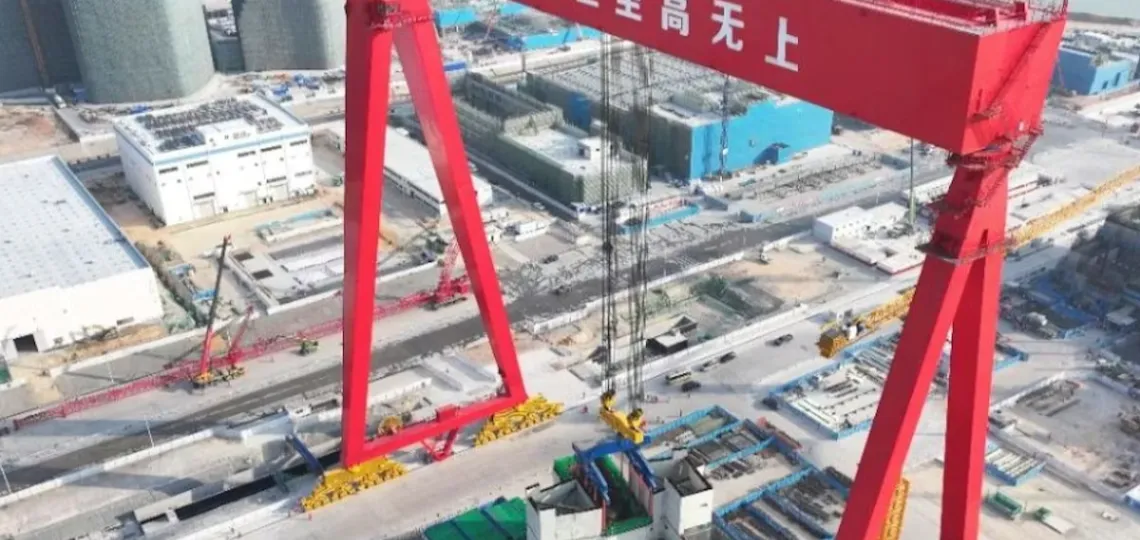
The VVER-1200 nuclear reactor at Xudabao 4 in China has completed installation of its final passive water tank, marking the end of modular construction for the second phase of the project.
Ottawa and Edmonton commit to a nuclear production roadmap by 2050, through a memorandum of understanding also covering carbon capture and an Indigenous-led pipeline project.
Niamey asserts control over its uranium resources by authorising open market sales of Somaïr’s production, formerly operated by France’s Orano, amid ongoing legal disputes.
Equinix has signed a strategic agreement with French start-up Stellaria to reserve 500 MWe of advanced nuclear capacity to power its future European AI data centres starting in 2035.
Bishkek plans to host a RITM-200N small modular reactor supplied by Rosatom to address electricity shortages and deepen energy ties with Moscow, despite the risks posed by Western sanctions.
The Niigata prefectural assembly will vote on the restart of Unit 6, potentially marking TEPCO’s first reactor relaunch since the 2011 Fukushima disaster.
The Norwegian government has initiated a consultation with neighbouring countries on its modular nuclear power plant project in Aure and Heim, in accordance with the Espoo Convention.