With electricity demand accelerating, Asia-Pacific utilities must manage massive investment needs, volatile revenues and geopolitical tensions as the energy transition advances in a rapid but disorderly manner.
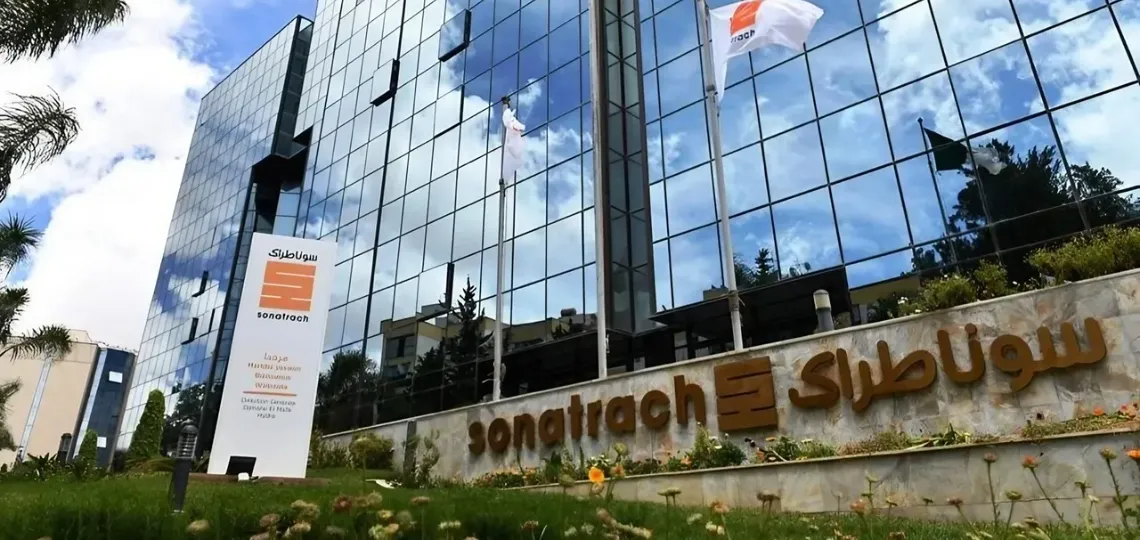
In response to rising domestic demand, Sonatrach adopts a five-year plan focused on increasing production, securing infrastructure, and maintaining export commitments.
PowerBank has completed a major regulatory step for its landfill-based solar installation, moving ahead with permitting for a 2.1 MW community project in upstate New York.
NU E Power Corp. closed a first financing tranche of $625,003 to support interconnection projects in Alberta and international feasibility studies, marking a new phase in the deployment of its energy infrastructure network.
Indian solar module manufacturer Emmvee has commissioned a new 2.5 GW production unit in Karnataka, raising its total capacity to 10.3 GW and triggering a 6% rise in its share price on the BSE.
The South Korean nuclear regulator has approved the launch of the 1,400-megawatt Saeul 3 reactor, beginning with a six-month pilot phase before full commercial operation.
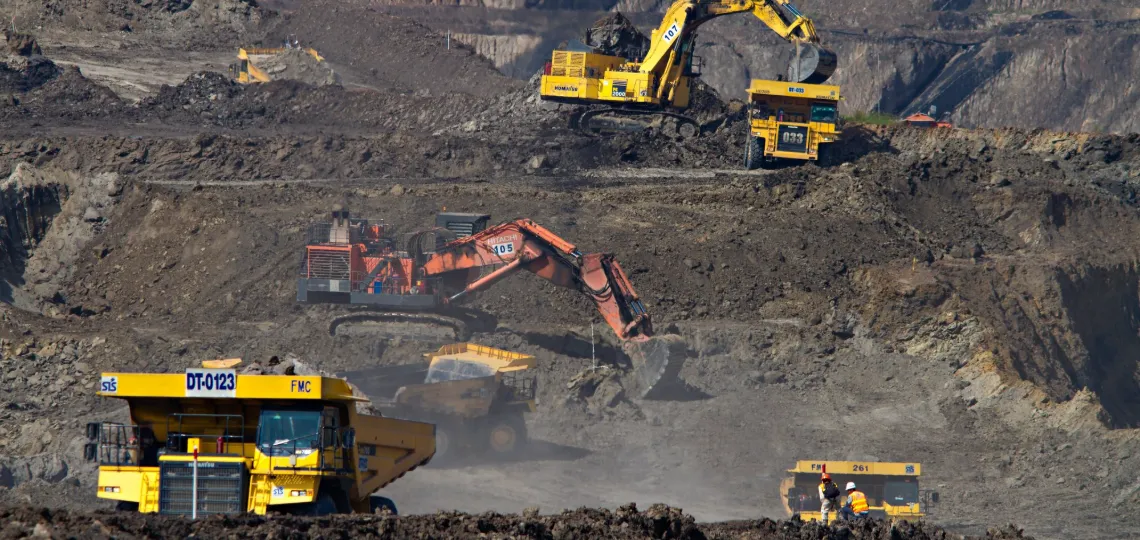
The Indonesian government plans to limit mining output in 2026 to stabilise commodity prices and increase fiscal revenues, according to the Minister of Energy and Mineral Resources.
Pipeline natural gas deliveries from Russia to the European Union dropped by 44% in 2025, reaching their lowest level in five decades following the end of transit via Ukraine.
Ankara is preparing a maritime exploration agreement with Damascus for 2026, marking a new phase in bilateral energy cooperation following a diplomatic rapprochement launched in 2025.
Octopus sells a minority stake in Kraken for $1 billion in a deal valuing the tech platform at $8.65 billion, initiating its spin-off and strengthening its position among international energy suppliers.
Frontera Energy has signed a crude supply deal worth up to $120mn with Chevron Products Company, including an initial $80mn prepayment and an option for additional funding.
Amplify Energy has completed the sale of its Oklahoma assets for $92.5mn, as part of its strategy to streamline its portfolio and optimise its financial structure.
NextNRG strengthens its domestic battery supply by signing a memorandum of understanding with A123 Systems, targeting the deployment of energy storage systems manufactured in the United States across its national project portfolio.
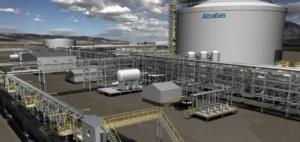
AltaGas has finalised a labour agreement with union ILWU Local 523B, ending a 28-day strike at its Ridley Island propane terminal, a key hub for Canadian exports to Asia.
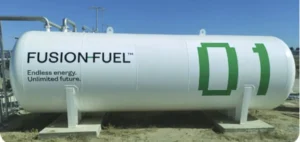
Fusion Fuel, through its subsidiary BrightHy Solutions, has set up a €30mn ($32.9mn) funded platform to develop industrial hydrogen projects, with the first site expected in Spain in 2026.
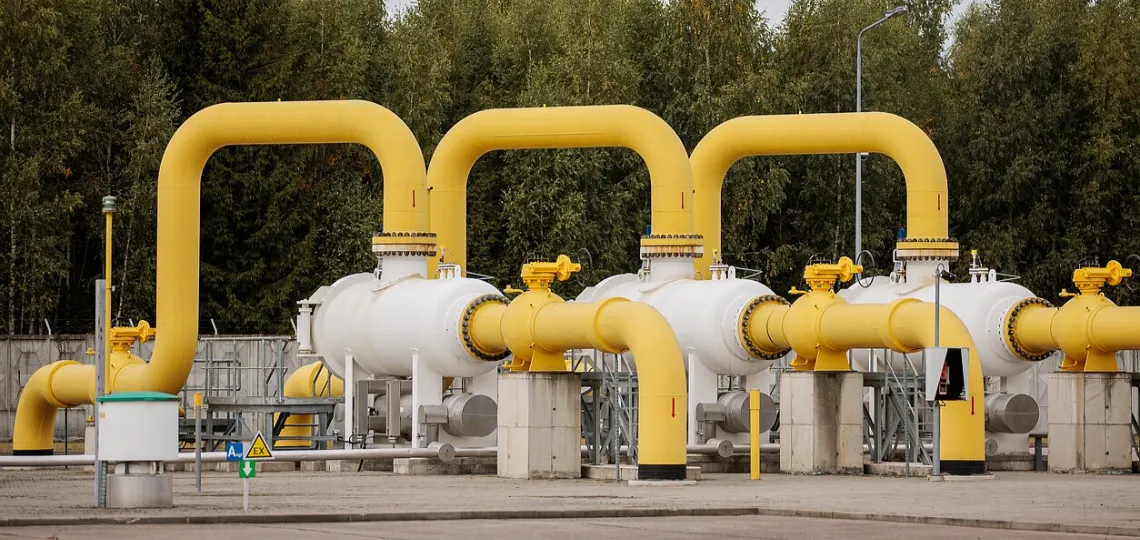
Amber Grid has signed an agreement to maintain gas transit to Russia’s Kaliningrad exclave, with a daily capacity cap of 10.5 mn m³ until the end of 2030, under a framework regulated by the European Union.
Cindrigo Holdings has secured the extension of its three geothermal permits in Germany and plans to benefit from a new loan programme launched by public bank KfW.
Lebanon engages in a memorandum of understanding with Egypt to import natural gas and support its electricity production, with infrastructure rehabilitation and active funding searches required to secure delivery.
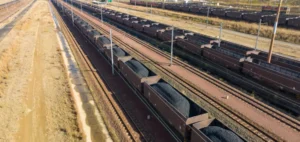
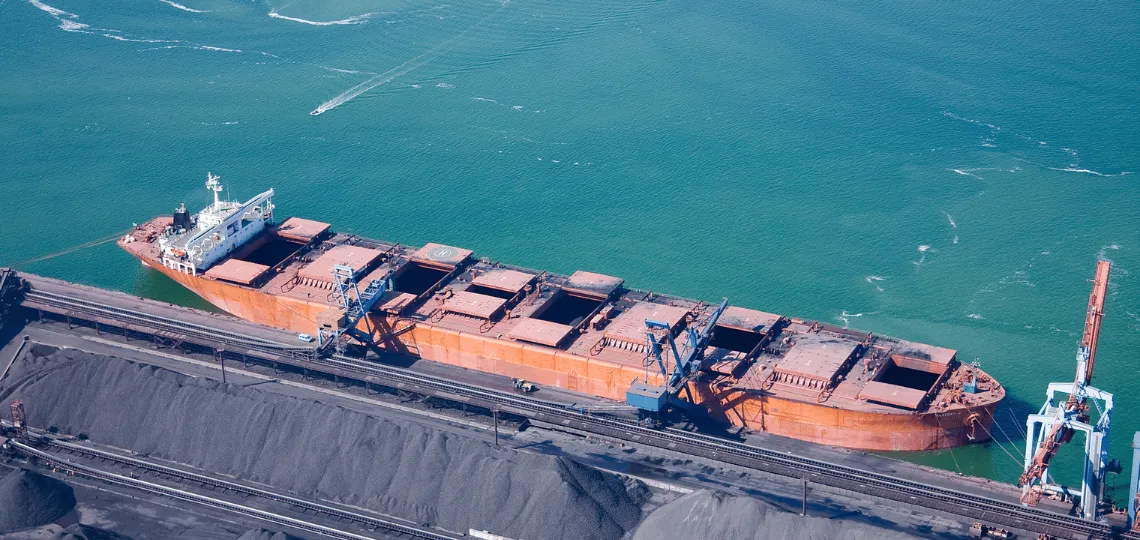
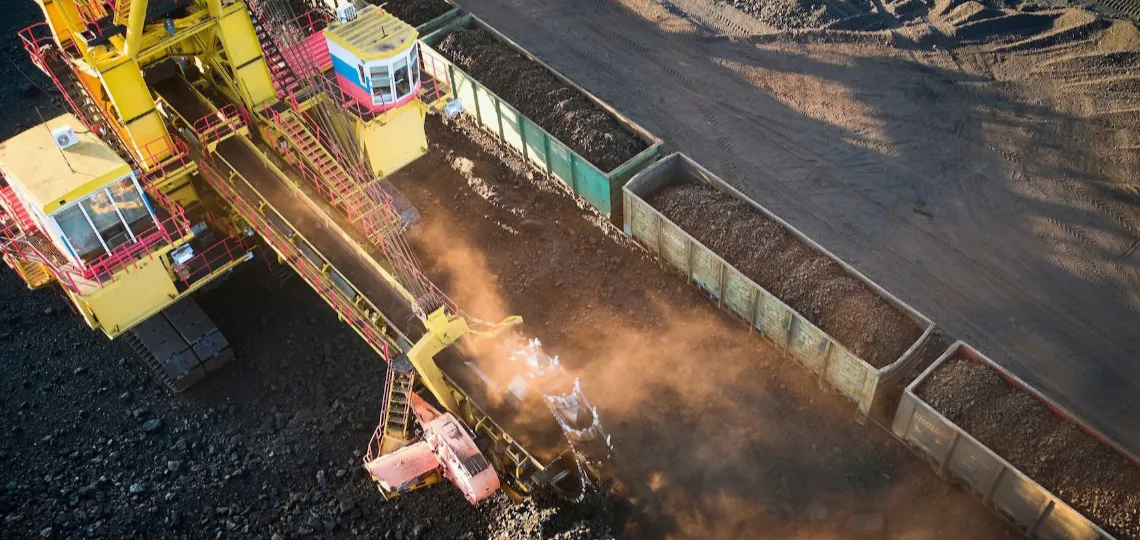
The integration of private operators into South Africa’s rail network marks a turning point for coal exporters, with a target of 55 million tonnes exported in 2025 from the Richards Bay terminal.
Facing Western restrictions, Russia plans to increase coal deliveries to China, India and Turkey, according to a recent presentation on the sector’s outlook.
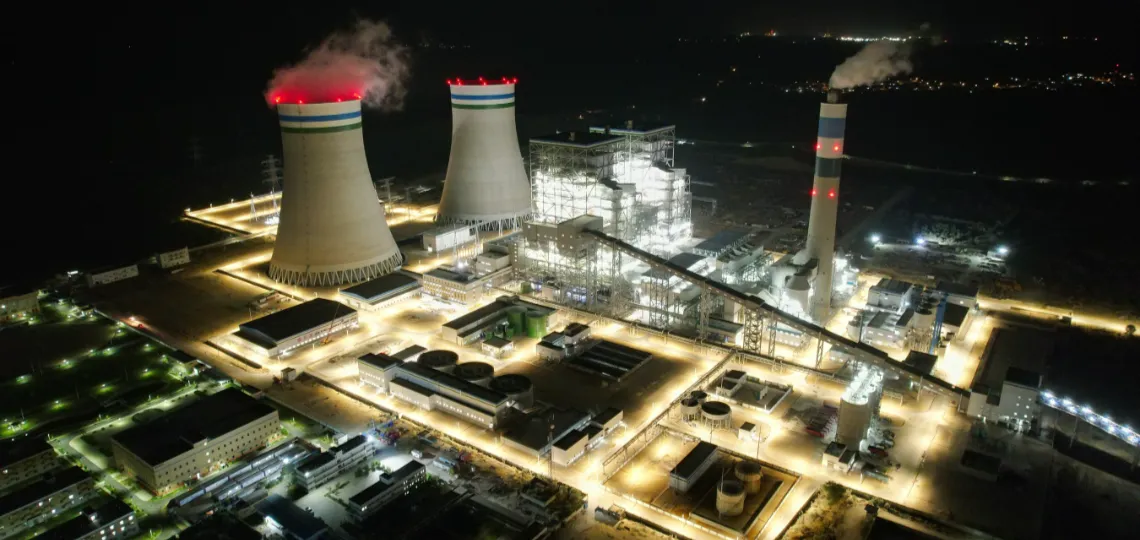
The visit of the Pakistani president to Shanghai Electric marks a new strategic phase in China-Pakistan energy cooperation, centred on the Thar mining and power project and local skills development.
Port congestion in Australia has boosted Russian and Indonesian coal exports to South Korea, with both now dominating the market due to lower prices and reliable delivery schedules.
Polish state-owned producer JSW confirms its 13.4 million tonnes production target for 2025 thanks to new equipment coming online, despite recent disruptions at multiple sites.
Russia and Indonesia overtook Australia as South Korea's top thermal coal suppliers in August, driven by lower prices and more reliable logistics amid persistent Australian shipment delays.
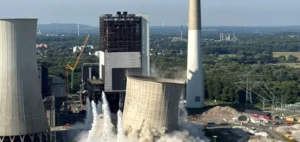
Uniper has demolished cooling tower F at its Scholven power plant, marking a new stage in the dismantling of the Gelsenkirchen coal site, where the energy company plans to build a hydrogen-ready gas-fired plant.
Underreported methane emissions from Australian mines could increase steelmakers’ carbon footprint by up to 15%, according to new analysis highlighting major gaps in global supply chains.
The new Russian railway line linking the Elga mine to the Sea of Okhotsk port will reach full capacity in 2026, after an operational testing phase scheduled for 2025.
The Romanian government is asking the European Union for a five-year delay on the closure of 2.6 gigawatts of coal capacity, citing delays in bringing gas and solar alternatives online.
President Gustavo Petro bans all coal exports to Israel, a decision with minor energy effects but strong diplomatic weight, illustrating his anti-Americanism and attempts to reshape Colombia’s domestic politics.
India’s coking coal imports are rising and increasingly split between the United States and Russia, while Australian producers redirect volumes to China; 2025 results confirm a shift in trade flows.
China approved 25 GW in H1 2025 and commissioned 21 GW; the annual total could exceed 80 GW. Proposals reached 75 GW and coal’s share fell to 51% in June, amid declining imports.
Amid tensions on the Midwest power grid, Washington orders the continued operation of the J.H. Campbell plant to secure electricity supply over the coming months.
Peabody Energy abandons the acquisition of Anglo American’s Australian coal assets, triggering an arbitration process following the failure of a post-incident agreement at the Moranbah North mine.
Core Natural Resources announces USD220.2mn in operating cash flow for the second quarter of 2025, while revising its capital return strategy and increasing post-merger synergies.
A report by Wood Mackenzie reveals that geopolitical pressures and rising global electricity demand could keep coal-fired generation elevated well beyond current forecasts.
Ramaco Resources officially opens in the United States the first mine dedicated to rare earths in seven decades, also inaugurating Wyoming's first new coal mining operation in over half a century during a ceremony attended by senior political officials.
Turkish power producer Eren Energi Elektrik Uretim has launched a tender to buy 375,000 tonnes of thermal coal to be delivered in five shipments starting from August 2025, according to a document seen by Platts on June 27.