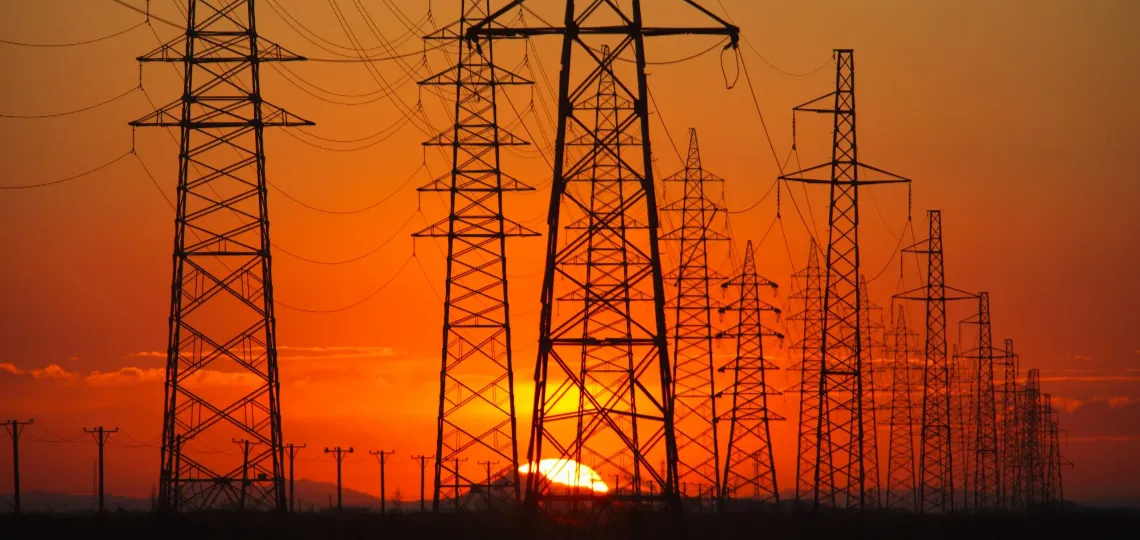
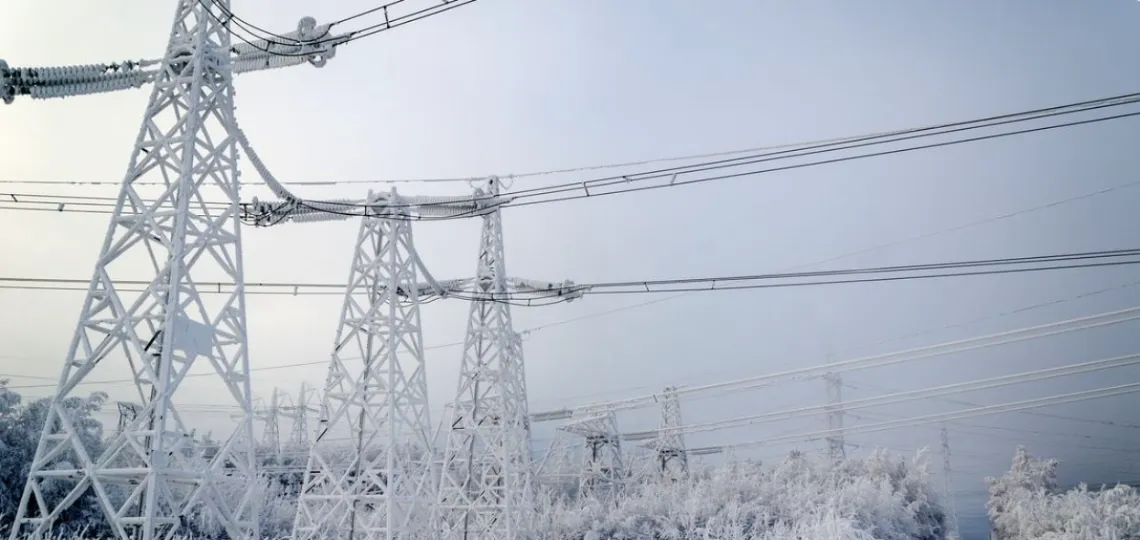
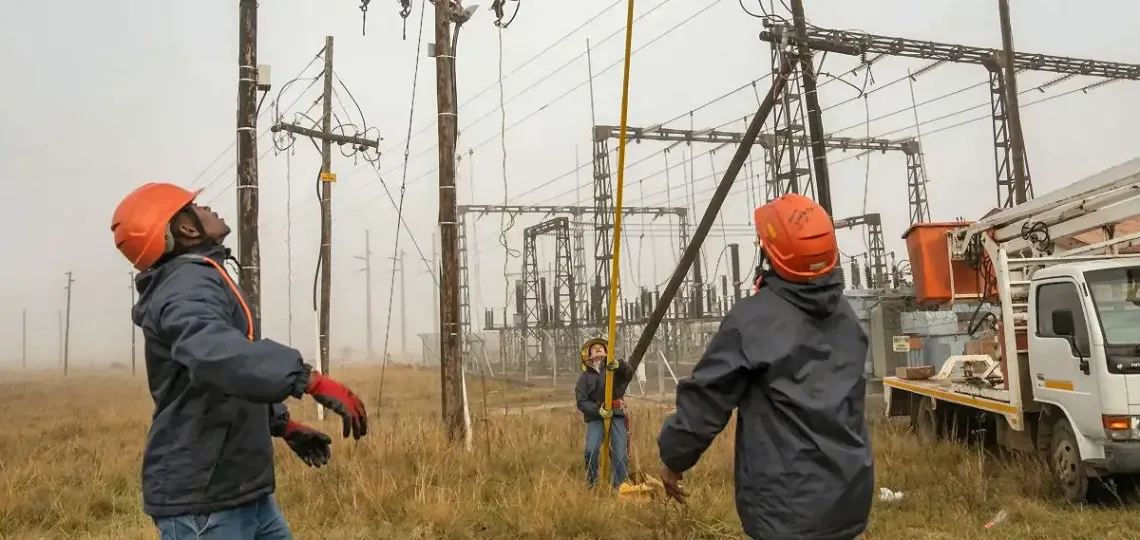
The Mauritanian Ministry of Energy and Petroleum has confirmed a $60mn loan agreement signed with the Saudi Fund for Development to support a major electricity transmission project in the country’s southeast. The funding covers the construction of a 182 km high-voltage line between Aouinat Ezbel and Néma, part of the Nouakchott–Néma project, also referred to as the “Hope Line”.
A structuring infrastructure project for the East
The agreement was signed in the presence of Minister of Economic Affairs and Development Abdallah Suleiman Al-Sheikh Sidiya, Director General of the Saudi Fund for Development Al-Marshad, Minister of Energy and Petroleum Mohamed Ould Khaled, and the Saudi ambassador to Mauritania, Abdulaziz bin Abdullah Al-Ragabi. This new funding will strengthen the interconnection between the country’s eastern and western power networks while securing electricity supply for several communities along the route.
According to the ministry, the infrastructure aims to extend electricity access to under-served areas by facilitating the transfer of energy from existing production centres to emerging consumption zones.
Full electrification target by 2030
The project is part of Mauritania’s national electrification strategy, which aims to achieve 100% electricity access by 2030, up from 55% currently, by connecting an additional 3.4 million people. Expanding the transmission network is central to this strategy.
As of 2023, Mauritania had 1,950 km of high-voltage lines and 5,450 km of medium- and low-voltage distribution networks. Projections for 2030 target a network of 4,500 km of high-voltage lines and over 10,000 km of distribution lines, requiring substantial investment and multilateral financial partnerships.
A regional energy development lever
The decision to prioritise the Nouakchott–Néma axis stems from the need to open access to remote regions while structuring the entire eastern energy corridor. This extension also aims to stabilise fragmented networks, which hinder the optimisation of existing generation capacity, especially in desert and rural areas.
The Saudi Fund for Development’s participation reflects growing energy cooperation between Mauritania and Gulf-based financial institutions, as the country seeks to diversify investment sources for its electricity transmission infrastructure.