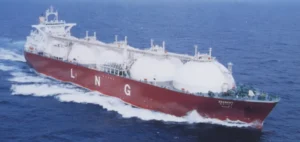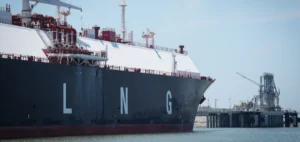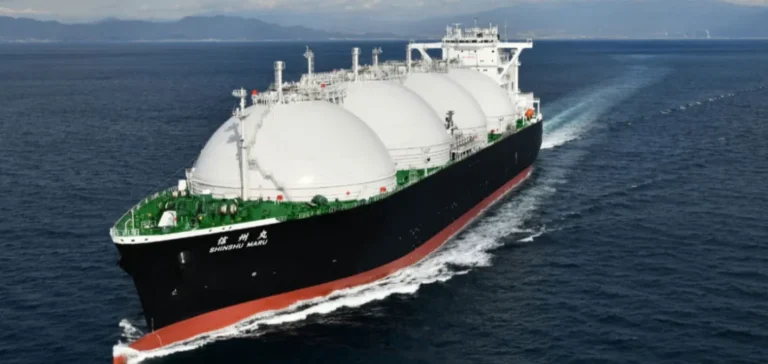

State-owned utility Perusahaan Listrik Negara (PLN) has secured 103 liquefied natural gas (LNG) cargoes for 2026, marking a structural shift in Indonesia’s energy strategy. This move, backed by public investment, aims to meet annual electricity demand growth of around 5.3 % while reducing reliance on coal and diesel.
A state-driven chain securing fuel supply
PLN operates within a centralised institutional framework that includes PLN Energi Primer Indonesia (EPI), Perusahaan Gas Negara (PGN), upstream regulator SKK Migas, and the Ministry of Energy and Mineral Resources (EMR). The ministry sets energy policy, while SKK Migas balances export requirements with domestic needs. The state also plays a key role in reallocating volumes to local buyers when shortages arise.
Infrastructure supported by international lenders
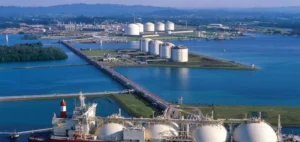
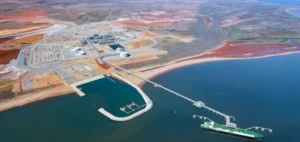
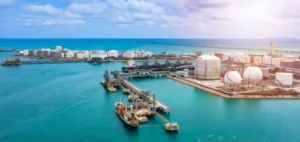
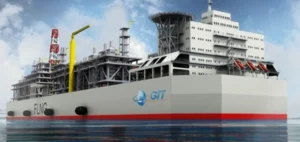
Development of import infrastructure, such as AG&P LNG terminals expected to go online in 2026, is part of a state-led investment strategy. PLN recently secured a $470mn loan from the Asian Development Bank to support this transition. Indonesia aims to build regional LNG distribution logistics, including a hub-and-spoke model for remote islands.
Export reductions and shift to domestic use
Declining pipeline gas volumes are prompting Indonesia to redirect LNG cargoes initially intended for export. At the same time, PLN’s diesel substitution programme for 41 power plants is increasing demand for domestic supply. This reallocation effort requires enhanced public planning to avoid electricity shortages.
PLN exposed to currency and price volatility
As PLN shifts from coal and diesel to LNG, it faces exposure to global price volatility. Some of the 103 cargoes are not secured under long-term contracts and will need to be sourced from the spot market. Meanwhile, electricity tariffs remain politically regulated, increasing pressure on financial stability and USD/IDR exchange risk.
State leverage in energy negotiations
This strategic shift strengthens Indonesia’s bargaining position with Singapore and Just Energy Transition Partnership (JETP) stakeholders. Domestic supply prioritisation becomes a key argument in ongoing negotiations for renewable energy financing and future energy mix planning.
Governance risks and contract transparency
Direct involvement of international financial institutions has increased pressure for transparency. PLN and PGN have previously faced scrutiny over governance issues, encouraging stricter due diligence on upcoming supply contracts. The government may be required to publish allocation criteria for the remaining cargoes in 2026.
Industrial prospects and public sector leadership
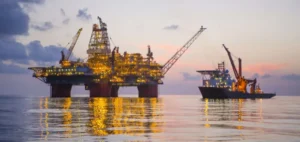
State planning is creating a favourable environment for new offshore gas development. PLN EPI could become the long-term anchor buyer for operators in the Andaman and Mako basins. This upstream structuring confirms LNG as a key pillar of energy security, pending full deployment of JETP-backed renewable projects.