New European Environmental Score Rules Reshape the Automotive Industry
Stricter environmental score criteria are imposing strategic changes on manufacturers, favoring local production and redefining the dynamics of the electric vehicle market in Europe.
| Sectors | Carbon, Mobility |
|---|---|
| Themes | Regulation & Governance, Public Policy |
| Companies | Renault, Tesla, ADEME, Volkswagen, Hyundai |
| Countries | China, Czech Republic, France, Japan |
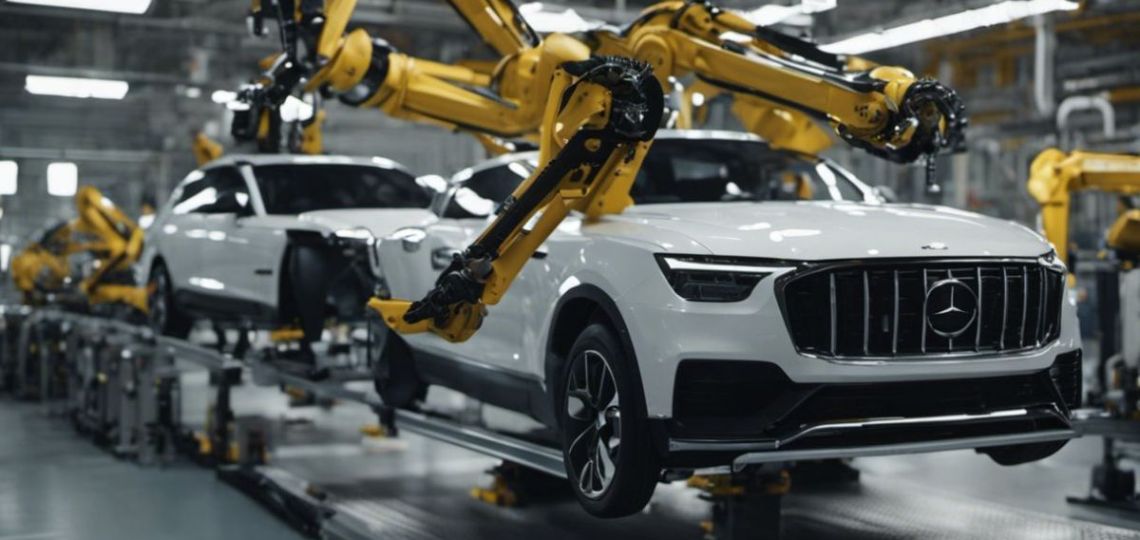
The European automotive industry is entering a new era with stricter environmental score criteria. From now on, the “manufacturing site,” which includes stamping, painting, and final assembly, will play a key role in determining eligibility for public subsidies. This measure, announced in a recently published decree, aims to reduce vehicle carbon footprints while promoting production within the European territory.
These new rules come as the environmental score, calculated by the French Agency for Ecological Transition (Ademe), is already a key element in manufacturers’ strategies. The score incorporates factors such as the materials used, the carbon-intensive production of batteries, and vehicle transportation. Previously, the assessment was limited to the “assembly site,” but this shift in criteria is profoundly altering market dynamics.
Direct Impacts on Local and Foreign Manufacturers
European brands such as Renault, Volkswagen, and Stellantis, already established on the continent, emerge as the primary beneficiaries of this new framework. Models like the Renault Megane, the Peugeot e-208, and the Volkswagen ID.3 meet the new requirements, strengthening their competitiveness in the electric vehicle market.
However, these criteria do not solely benefit European manufacturers. Tesla, with its factory near Berlin, and Hyundai, with its site in the Czech Republic, also maintain a strong position. On the other hand, popular models such as the Dacia Spring and Tesla Model 3, both produced in China, lose their eligibility for subsidies.
Strategic Responses from Asian Manufacturers
In response to these new rules, several Asian manufacturers are considering bolstering their industrial presence in Europe. While brands like Toyota and Nissan already have local capabilities, others, particularly Chinese automakers, may accelerate their plans for European production facilities. However, the industry questions the nature of these future investments: will these facilities focus solely on final assembly, or will they comply with the stricter criteria set by Ademe?
A notable example is the Mazda MX-30, manufactured in Japan but still eligible due to significant efforts in production and transportation. This exception demonstrates that, despite a more rigid framework, some international manufacturers can still succeed by innovating in their processes.
Balancing Competitiveness and Economic Constraints
This tightening of criteria reflects a European strategy to reduce emissions while supporting local industry. While European manufacturers gain a short-term advantage, competition could intensify as Asian players invest in new capacities.
For consumers, these rules could limit available options, particularly for entry-level models manufactured in Asia. Manufacturers will also have to manage potentially higher production costs, which could be reflected in the prices of electric vehicles.