The United Kingdom will be subject to emissions charges imposed by the European Union’s Carbon Border Adjustment Mechanism in the absence of a formal link between both carbon trading systems. The decision ends hopes for a temporary exemption that the British government had sought during ongoing negotiations.
The European Commission stated that only a formal connection between the emissions trading systems would allow for a derogation from the mechanism, which begins applying in January to imports of high-carbon goods such as steel and cement. However, the process of linking both markets could take more than a year, according to estimates by European officials.
Annual cost estimated at £800 million
The British government said the new European rules would cost domestic industry £800 million ($1.01bn) per year. The figure highlights the growing pressure on exporters facing diverging climate regulations between both markets since Brexit.
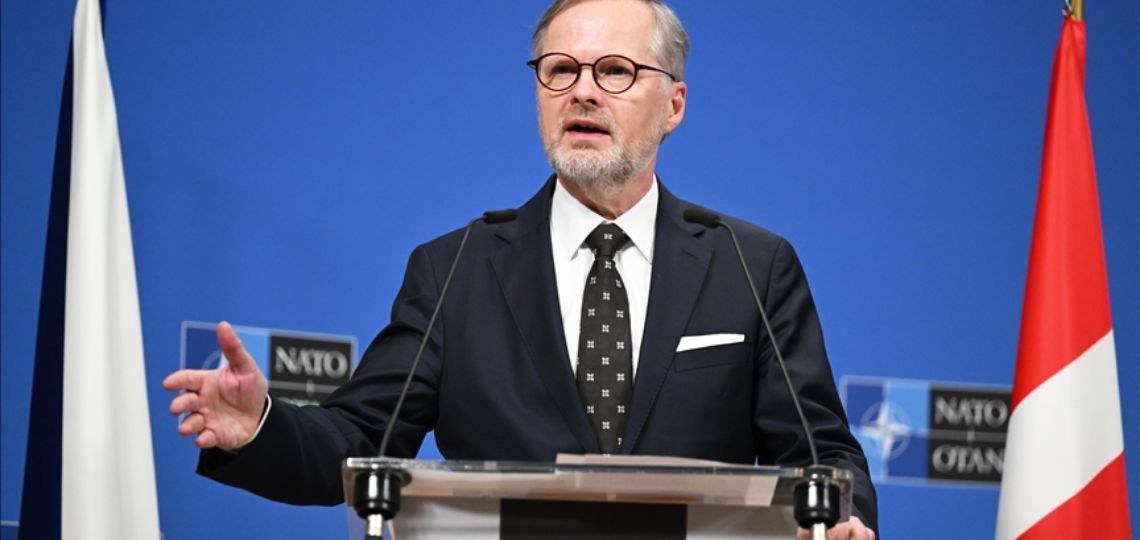
Wopke Hoekstra, European Commissioner for Climate Action, confirmed that Brussels currently has no plans to grant any exemption. He stated that “an exemption could occur once the carbon markets are fully linked”.
Gradual implementation of the European mechanism
From January, the European Union’s Carbon Border Adjustment Mechanism (CBAM) will start recording emissions linked to imports of specific products. However, companies will have to wait until September 2027 to purchase CBAM certificates for their 2026 emissions before submitting them to the European Union.
The United Kingdom Cabinet Office has not issued any response regarding the government’s position. Commissioner Hoekstra nonetheless acknowledged that the UK would have “preferred a different scenario”, while affirming that both parties are actively working on a technical solution to connect the carbon markets in the future.