NECSA launches tender for new 20-30 MW multi-purpose research reactor
South Africa's public nuclear company NECSA is preparing to issue a tender for a 20-30 MW multi-purpose research reactor, aiming to secure its position as a leading global medical isotope exporter by 2032/33.
| Countries | Afrique du Sud, Russie, Chine, Corée du Sud |
|---|---|
| Companies | NECSA |
| Sector | Énergie Nucléaire, SMR |
| Theme | Développement de projets, Tenders |
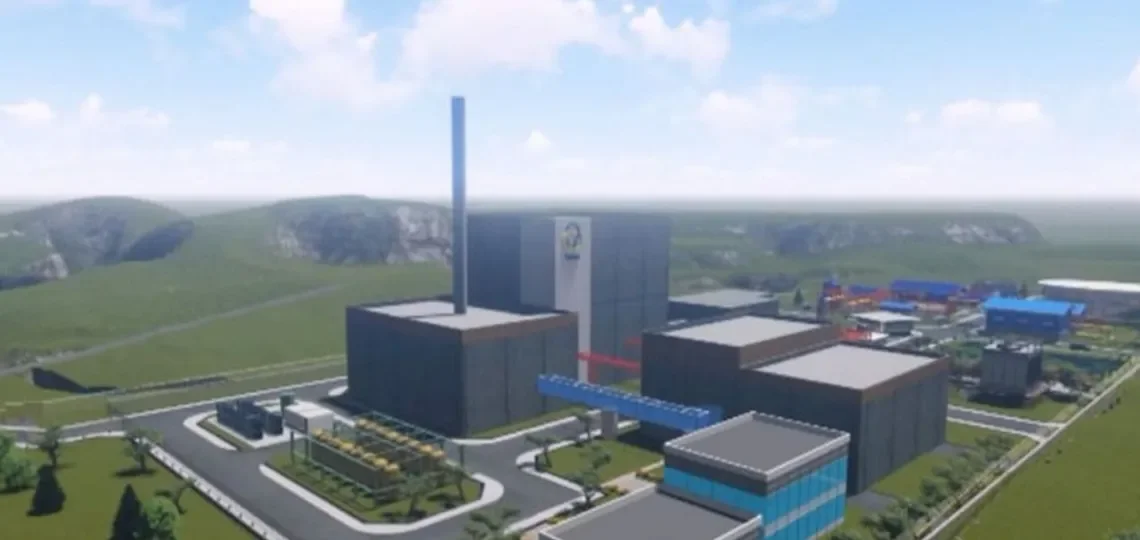
The Nuclear Energy Corporation of South Africa (NECSA) is preparing to launch the next phase of a tender for a 20-30 MW multi-purpose research reactor. CEO Loyiso Tiabashe made the announcement on Tuesday. As the global nuclear industry awaits several decisive milestones in 2026, the project aims to preserve South Africa's position among the world's top medical isotope exporters.
Request for proposals expected in the first fiscal quarter
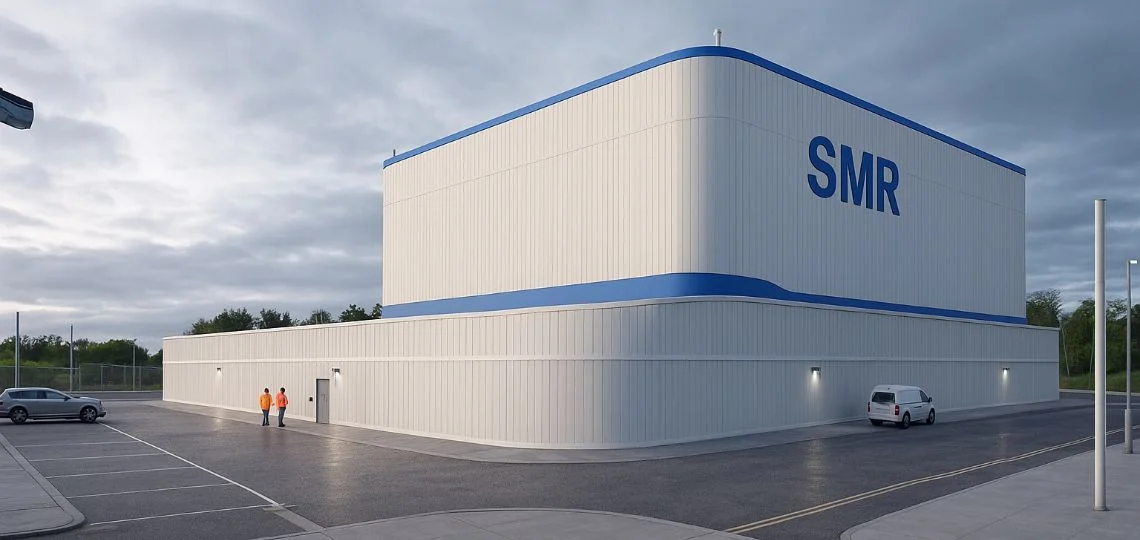
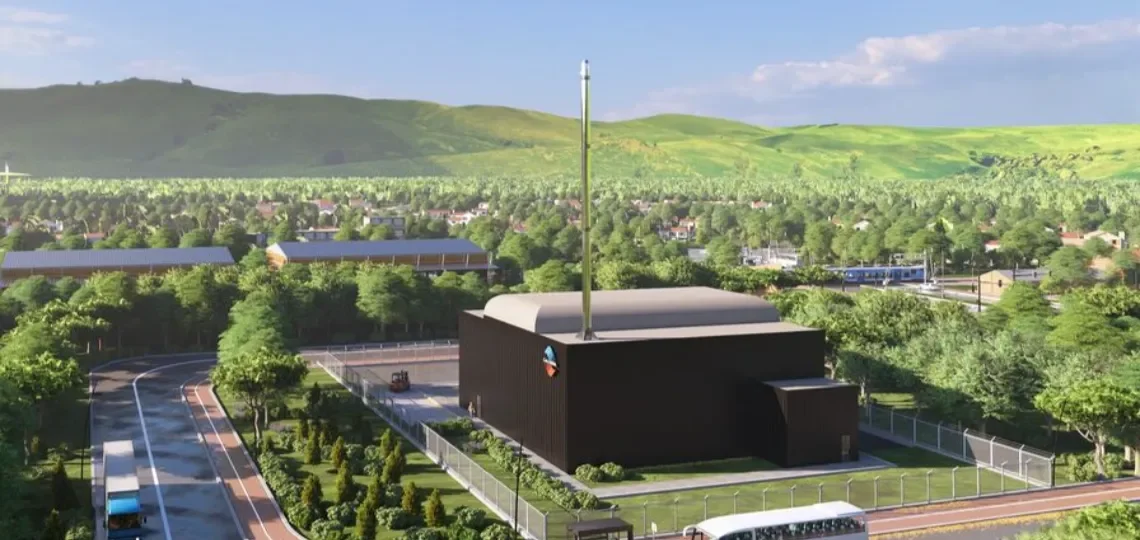
The original deadline for the request for proposals was set at March 31. If this deadline is not met, Tiabashe said he would focus on "the first quarter of the fiscal year, from April to June." The new reactor is targeted to be operational by 2032/33. NECSA also plans to issue a tender for a small modular reactor (SMR) pilot, a technology that several African countries are also exploring. Discussions are ongoing with the National Treasury and other key government departments.
NECSA favors a turnkey or engineering, procurement and construction (EPC) contract to minimize project risks. Both contract types transfer full project responsibility to the contractor until delivery. Tiabashe named Russia, China and South Korea as potential vendor countries.
Safari 1, cornerstone of global isotope production at Pelindaba
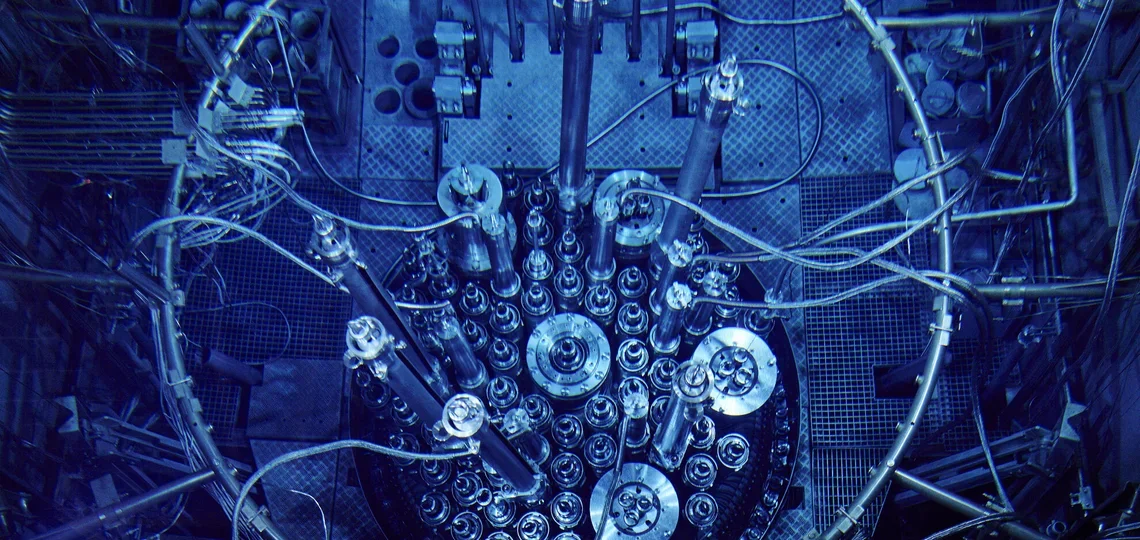
The new reactor will operate alongside Safari 1, a 20 MW research reactor that has been running at Pelindaba since 1965. Safari 1 ranks among the world's top producers of Molybdenum-99 (Mo-99), an isotope used to diagnose cancer, heart disease and other conditions. "We want our operations to run in parallel, so we can solidify our position in the isotope market and avoid creating a gap, because customers will leave once they are gone," Tiabashe said. This parallel operation would also extend the lifespan of Safari 1.
Tiabashe declined to disclose the cost of the multi-purpose reactor. He indicated that together with the SMR initiative, the two programs account for the majority of an 80 billion rand ($4.72 billion) infrastructure push to rebuild South Africa's nuclear capacity. An expression of interest for the SMR pilot is expected by late March.