Natural gas demand in Southeast Asia to surpass oil and coal by 2050
Driven by economic growth and renewable energy limitations, natural gas consumption in Southeast Asia is expected to nearly double by 2050, according to Wood Mackenzie.
| Sectors | Gas, Natural Gas |
|---|---|
| Themes | Markets & Finance, Sector Analysis |
| Companies | Wood Mackenzie |
| Countries | Indonesia, Malaysia, Philippines, Thailand, Vietnam |
Natural gas consumption in Southeast Asia is projected to grow faster than oil and coal over the coming decades, according to a report by energy consultancy Wood Mackenzie. The share of natural gas in the region’s primary energy mix could reach up to 30% by 2050, supported by rapid economic expansion and a growing focus on energy security.
The Southeast Asia Gas Strategic Planning Outlook report forecasts a compound annual growth rate (CAGR) of 3.1% for gas demand until 2035. This increase is primarily driven by the expansion of data centres, gas-based power generation, and the structural limitations of intermittent renewable energy sources. Wood Mackenzie projects that regional gas-fired power generation capacity will double, while consumption will rise by nearly 89.5% from 2025 to 2050.
LNG imports to exceed exports by 2032
The region is expected to become a net importer of liquefied natural gas (LNG) by 2032. Wood Mackenzie anticipates LNG demand will rise by 182% over the next decade. This shift could position Southeast Asia among the fastest-growing LNG markets globally by 2050.
Countries such as Indonesia and Malaysia are focusing on boosting domestic production to meet increasing local demand, according to Raghav Mathur, principal gas and LNG analyst at Wood Mackenzie. Newly commissioned and recently discovered fields are expected to sustain output through the late 2020s. Continued exploration, particularly in frontier areas, will be critical to maintaining supply beyond 2035.
Critical infrastructure and LNG uncertainties
LNG affordability remains a challenge to widespread adoption due to its high cost. The report notes that government support through subsidies, tax incentives, or favourable regulations will be essential to ensure the viability of LNG-to-power projects. Securing long-term Power Purchase Agreements (PPAs) is also highlighted as a key requirement.
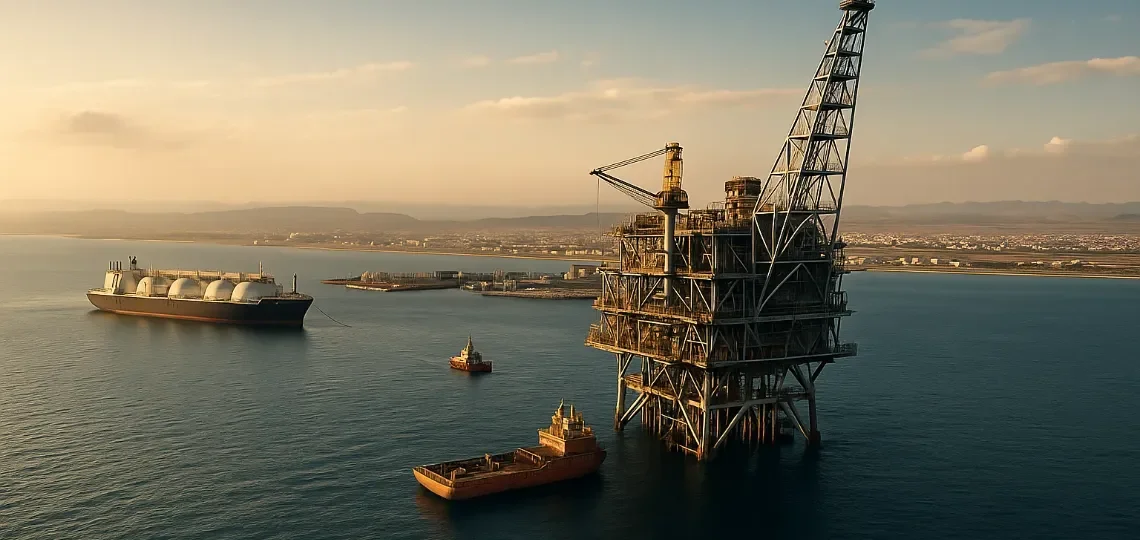
Wood Mackenzie identifies an urgent need for multiple Floating Storage Regasification Units (FSRUs) by 2030 to support this growth path. However, uncertainty surrounding the availability of these facilities could constrain expansion plans. Identifying industrial partners and securing financing for infrastructure development remain central to the region’s gas strategy execution.