Mozambique LNG, criminal complaint and economic recovery under judicial pressure
A German NGO has filed in France a complaint against TotalEnergies for alleged war crimes complicity around Mozambique LNG, just as the country seeks to restart this key gas project without any judicial decision yet on the substance.
| Sectors | Gas, Natural Gas |
|---|---|
| Themes | Regulation & Governance, Litigation |
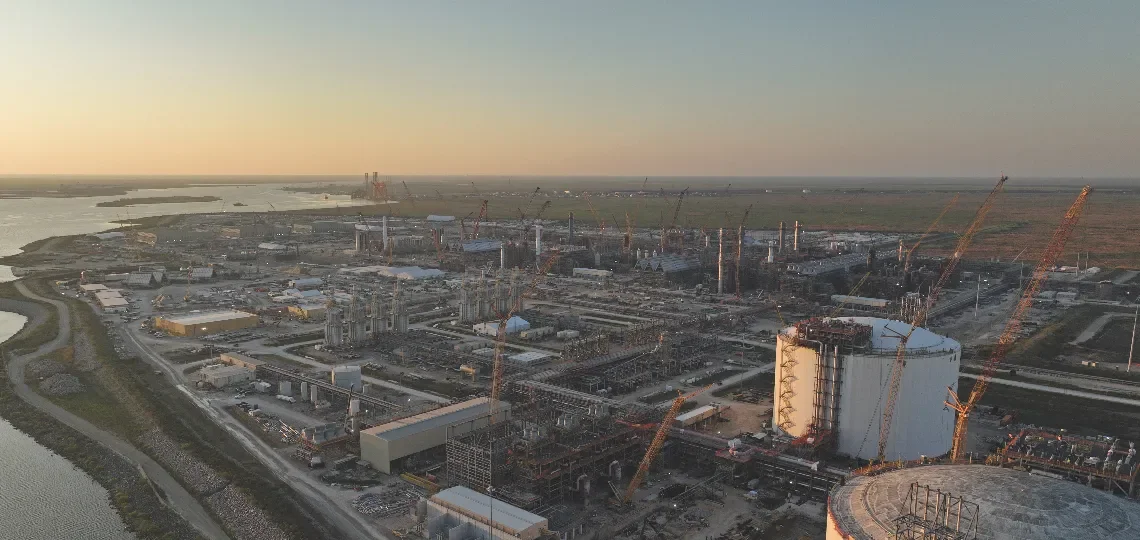
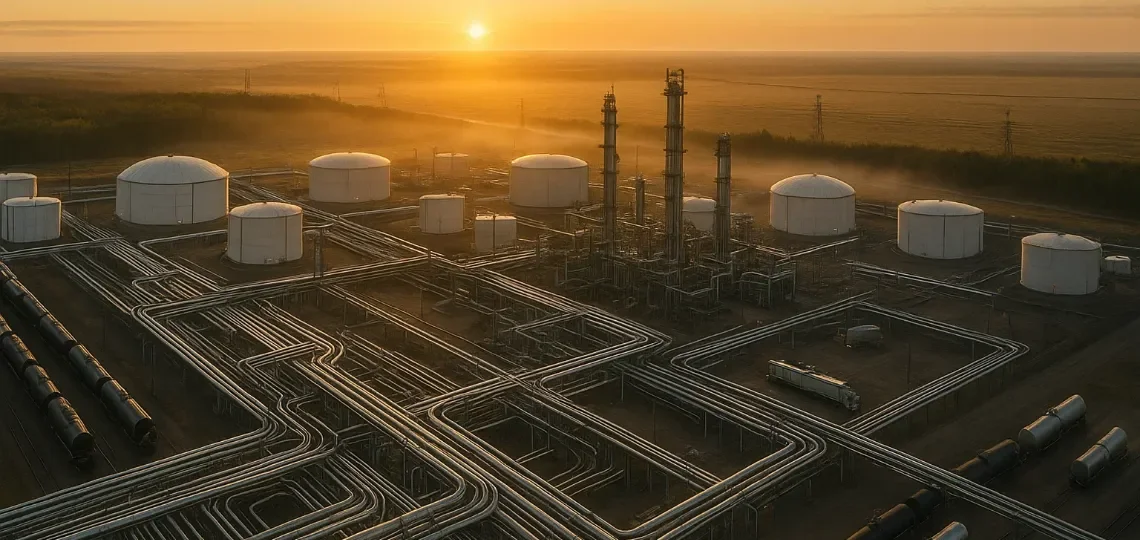
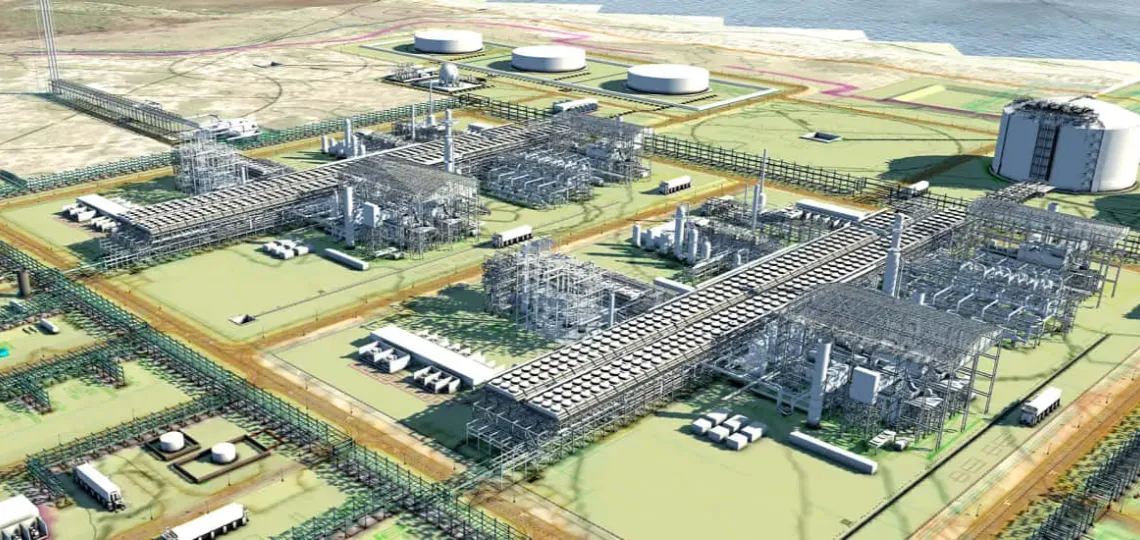
The Mozambique liquefied natural gas (Mozambique LNG) project has become a sensitive case at the crossroads of energy, judicial and security interests. The initiative led by TotalEnergies aims to turn offshore gas reserves into liquefied natural gas exports, through a large industrial complex in the Cabo Delgado province. The decision to suspend works after jihadist attacks interrupted an investment dynamic that was already under way, while also driving up the overall cost of the project. It is on this terrain, combining site security and the role of local armed forces, that a criminal complaint targeting the French group now emerges, at a time when no court has yet established the company’s criminal liability for the alleged abuses.
A flagship gas megaproject at the core of Mozambique’s growth strategy
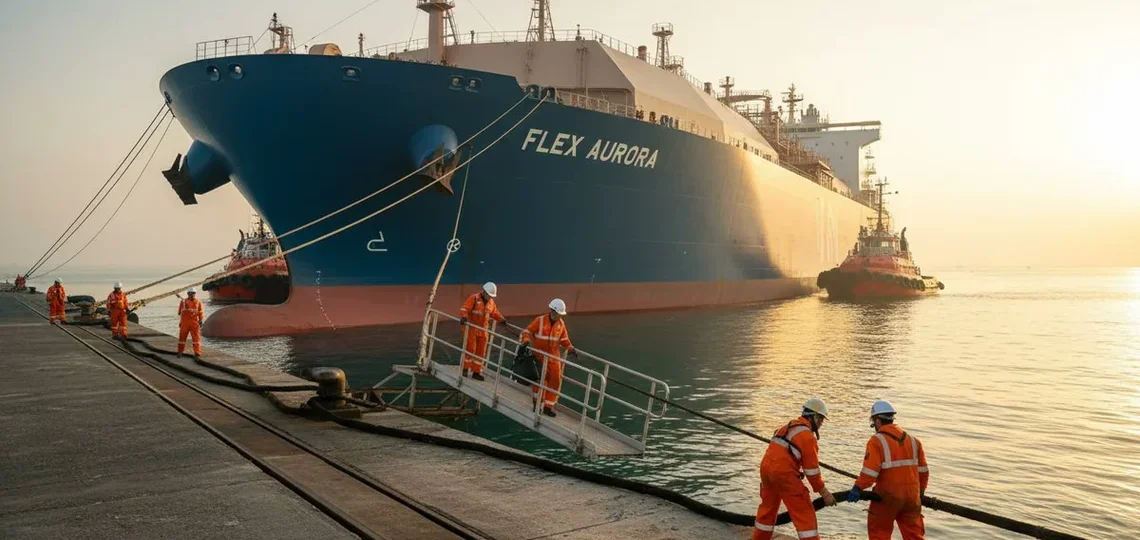
Mozambique LNG is based on offshore gas fields in the Rovuma basin, with an initial industrial phase expected to produce around thirteen million tonnes of liquefied natural gas per year. TotalEnergies is the operator and main shareholder in the consortium, alongside the national company Empresa Nacional de Hidrocarbonetos, Asian firms and other international partners. The Mozambican authorities present this project as a pillar of their growth trajectory, relying on future tax revenues, export duties and a knock-on effect on port and road infrastructure. The planned investments amount to tens of billions of dollars, which places Mozambique LNG among the largest gas developments on the African continent.
The escalation of armed insurgency in Cabo Delgado province has significantly altered the project’s initial schedule. Groups affiliated with the Islamic State organization have multiplied attacks on towns, villages and transport routes, causing massive population displacement and long-lasting instability. The attack on the town of Palma, located near the industrial site, led TotalEnergies to withdraw its staff and declare force majeure, halting construction while infrastructural foundations were already being laid. To secure the area, an agreement was signed between local subsidiary Tepma 1 and the Mozambican authorities, providing for the deployment of a Joint Task Force (JTF) composed of national armed forces to protect the Afungi perimeter.
Security arrangements, allegations of abuses and local investigations
After the suspension of the project, the Joint Task Force took up positions around the site and assumed responsibility for protecting the industrial zone and associated infrastructure. According to testimonies collected by investigative media and non-governmental organizations, civilians arrested by elements linked to this force were allegedly held in containers, subjected to harsh treatment and, in most cases, did not survive their captivity. These accounts describe the interception of groups of residents suspected of supporting insurgents, in the context of a military counter-offensive to regain control of the region. TotalEnergies disputes having received, at the time of the alleged events, information that would allow it to establish that such episodes took place, and maintains that its teams were not provided with verifiable evidence of a massacre committed in the immediate vicinity of its installations.
In response to the media coverage of these allegations, the Mozambican authorities announced investigations by the Office of the Attorney General and by the National Human Rights Commission to examine the conduct of security forces in the area. Export credit agencies involved in financing Mozambique LNG also initiated internal reviews to assess the compliance level of the security arrangements they support or guarantee. On the ground, communities displaced by both the project and the conflict continue to highlight difficulties related to resettlement, access to fishing grounds and agricultural land, while the state and the consortium point to housing compensation schemes and local development programs. This combination of economic compensation mechanisms and allegations of serious violence now provides the backdrop to the new legal move launched in Europe.
A strategic lawsuit led by a specialist in international litigation
The European Center for Constitutional and Human Rights (ECCHR), a non-governmental organization based in Berlin and specialized in human rights litigation, has filed a complaint against TotalEnergies with the French prosecutor. The NGO accuses the group of providing material and financial support to the Joint Task Force by supplying housing, food, bonuses and equipment, even though serious human rights risks had been identified in the area. It relies in particular on social monitoring reports produced by the Mozambique LNG project teams and sent to export credit agencies, as well as on exchanges with the Dutch institution Atradius DSB and the Italian agency SACE. In these documents, local armed forces are presented as a risk factor for civilian populations, which supports the argument that the operator continued its support despite prior knowledge of these vulnerabilities.
The complaint has been forwarded to the French National Anti-Terrorism Prosecutor’s Office, which is responsible for investigating war crimes, crimes against humanity and related offences. This office may decide to close the case, to open a preliminary investigation or to request a full judicial inquiry led by investigating judges. In parallel, a separate procedure is already under way in Nanterre for alleged manslaughter and failure to assist persons in danger, following a complaint filed by survivors and relatives of victims of the Palma attack. At this stage, no court has established the criminal liability of TotalEnergies in these cases, and the company consistently recalls its attachment to the presumption of innocence and to ongoing investigations, while contesting interpretations that directly attribute to it the abuses committed by state forces.
Financial pressures, cost renegotiation and the risk of further delays
The prolonged suspension of works has had a direct impact on the financial trajectory of Mozambique LNG. The project’s cost has been reassessed with an increase of around several billion dollars compared with the initial budget, taking into account time losses, additional security expenditure and contractual adjustments with contractors. TotalEnergies has notified the Mozambican authorities of this cost escalation while requesting an extension of the development rights period in order to spread the economic impact of the delay over the project’s lifetime. The government, which is counting on future gas-related fiscal revenues to strengthen its budget and fund public policies, is reviewing these new conditions with the aim of preserving both its share of income and its revenue timeline.
The complaint filed in France adds another layer of uncertainty to an already delicate balance between investors, financiers and the host state. Financial institutions and export credit agencies are attentive to reputational risk and to compliance with international human rights standards, which may influence the configuration of guarantees and risk shields. If judicial proceedings prolong the perception of risk around the project, some financial players could seek higher margins, additional protection tools or more gradual disbursement schedules. A longer decision and financing horizon would mechanically delay the commissioning of liquefaction capacity, pushing back the arrival of gas revenues for Mozambique and reducing visibility for liquefied natural gas buyers engaged in long-term negotiations.
A fragile balance between local expectations, security needs and economic rebound
At local level, communities in Cabo Delgado see Mozambique LNG as a potential source of jobs, infrastructure and essential services but also as a driver of forced resettlement and rapid transformation of their environment. Resettlement and compensation programs have enabled some households to gain access to new housing and new plots of land, while others consider that compensation remains insufficient compared to lost livelihoods. The increased presence of armed forces, security companies and gas-sector workers is changing the economic and social structure of villages in the region, supporting the expansion of certain services but also heightening tensions around access to resources. Assessment missions commissioned by the operator have issued recommendations to improve relations with communities, notably through targeted investments in public infrastructure and development projects dedicated to the province.
For the Mozambican state, relaunching the project is a major budgetary issue, at a time when the country is seeking to consolidate its credibility with multilateral lenders and financial markets. The authorities highlight security improvements achieved through the deployment of Mozambican troops, Rwandan forces and units from the Southern African Development Community, while acknowledging that the insurgency has not been fully eradicated. The government insists that the resumption of gas investments must be accompanied by stronger local institutions, oversight of security forces and a sharing of economic benefits with producing provinces. At the same time, the growth of international litigation and calls for independent investigations is seen as a factor that may delay the arrival of capital the country needs, without immediately delivering a final answer on the factual reality and legal qualification of the alleged abuses.
A case closely watched by the liquefied natural gas market
Operators, traders and buyers of liquefied natural gas are closely monitoring developments around Mozambique LNG, integrating this project into a broader diversification matrix for future supply. Prospective additional volumes from Mozambique would complement African capacity already under development and planned expansions in the Middle East and North America. In this landscape, Cabo Delgado province is viewed as a strategic area but one exposed to higher security and political risk than established gas regions. The combination of insurgent threat, local governance issues, international judicial proceedings and financial renegotiation shapes a specific risk premium that market participants weigh against price opportunities and contractual flexibility.
The complaint lodged in France introduces an additional factor into the analysis of non-technical risks associated with the project. It does not immediately alter the geological profile of the reserves or the theoretical competitiveness of production costs, but it affects perceptions of regulatory and judicial stability around the monetization of those resources. For Mozambique, the next steps in this case will be decisive in showing its capacity to host large energy projects while responding to expectations regarding human rights and transparency. For TotalEnergies, the challenge is to maintain its investment trajectory in liquefied natural gas while cooperating with judicial and political authorities, without undermining the industrial viability of a project that remains central to its gas strategy. Investors, public authorities and local communities will follow the course of these proceedings to assess how these different constraints can be reconciled with the objective of reviving the country’s economy.